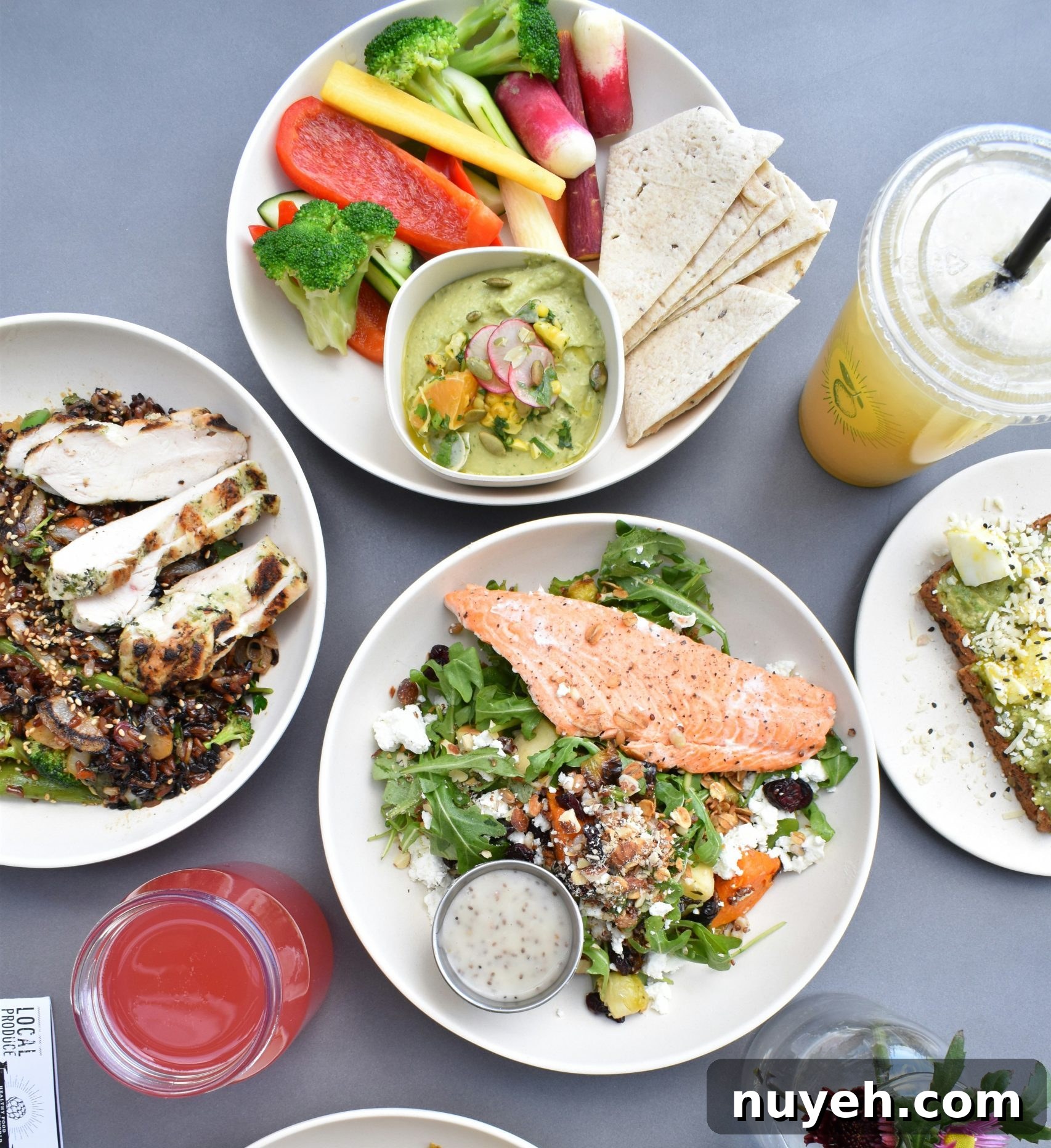
Let’s Talk Protein!
If there’s one nutrient many women fall short on, it’s protein. Whether your goals are building strength, preserving lean mass as you age, supporting a healthy metabolism, balancing hormones, or maintaining skin, hair, and bone health, getting enough protein matters. Below is a concise, practical guide to why protein is important, how much you might need, the best sources for different diets, and simple tips to make it easy to meet your daily needs.
Why Is Protein So Important for Women?
✔ Supports Lean Muscle & Strength – Protein provides the amino acids needed to repair and build muscle tissue, a priority for maintaining function and mobility over time.
✔ Boosts Metabolism & Aids Fat Loss – Higher-protein meals can increase satiety and help stabilize blood sugar, which supports consistent energy and weight management.
✔ Hormone & Mood Support – Many hormones and neurotransmitters are built from amino acids, so adequate protein supports balanced mood and endocrine function.
✔ Healthy Hair, Skin & Nails – Collagen, keratin, and other structural proteins rely on dietary protein for repair and maintenance.
✔ Stronger Bones – Protein works alongside calcium and vitamin D to support bone density.
How Much Protein Do You Actually Need?
General guidance often used by nutrition professionals is:
• 0.8–1.2 grams per pound of lean body mass (roughly 1.6–2.2 grams per kilogram of body weight), depending on activity level and goals.
Example: If you weigh 140 lbs (64 kg), a reasonable daily target is about 90–110 grams of protein. If you’re actively trying to build muscle, aim for the higher end of the range.
Adjust based on your activity level, age, overall health, and whether you’re aiming to lose, maintain, or gain weight. When in doubt, consult a registered dietitian or healthcare provider for personalized guidance.
Best Protein Sources for Women
Choose whole-food sources where possible and vary your choices to cover different amino acid profiles and micronutrients. Below are practical options by dietary preference.
For Omnivores:
• Wild-caught or sustainably raised fish (salmon and sardines are especially nutrient-dense)
• Eggs — versatile and nutrient-rich
• Hormone- and antibiotic-free poultry
• Grass-fed beef and lamb
• Greek yogurt and cottage cheese — high in protein and convenient
• Whey protein isolate — a useful option when you need a quick, complete protein source
For Vegetarians & Vegans:
• Lentils and chickpeas — great in salads, stews, and spreads
• Tofu and tempeh — concentrated soy proteins useful in many savory dishes
• Hemp, chia, and flaxseeds — add to smoothies, oatmeal, and baking for a protein and omega boost
• Edamame and green peas — high-protein plant options that work well as sides or salad add-ins
• Greek yogurt and cottage cheese (for vegetarians)
• Plant-based protein powders (pea, hemp, and blends) — convenient for shakes and baking when you need a portable protein boost
Practical Tips to Increase Daily Protein
• Spread protein across meals and snacks. Aim for 20–35 grams of protein per meal if possible, rather than loading it all at once.
• Start the day with protein: eggs, Greek yogurt, or a protein smoothie set the tone for steady energy.
• Keep portable protein snacks on hand: roasted chickpeas, jerky, string cheese, nuts, or a protein shake make it easier to meet targets.
• Combine plant proteins across the day. While most plant proteins are incomplete on their own, eating a variety of legumes, grains, seeds, and nuts throughout the day provides a full amino acid profile.
• Choose minimally processed protein powders when needed. They’re useful for convenience but aim to get most protein from whole foods.
Two High-Protein Recipes I’m Loving Right Now
These two recipes are simple, flavorful, and focused on protein-rich ingredients. The photos are included below to help you visualize the dishes.
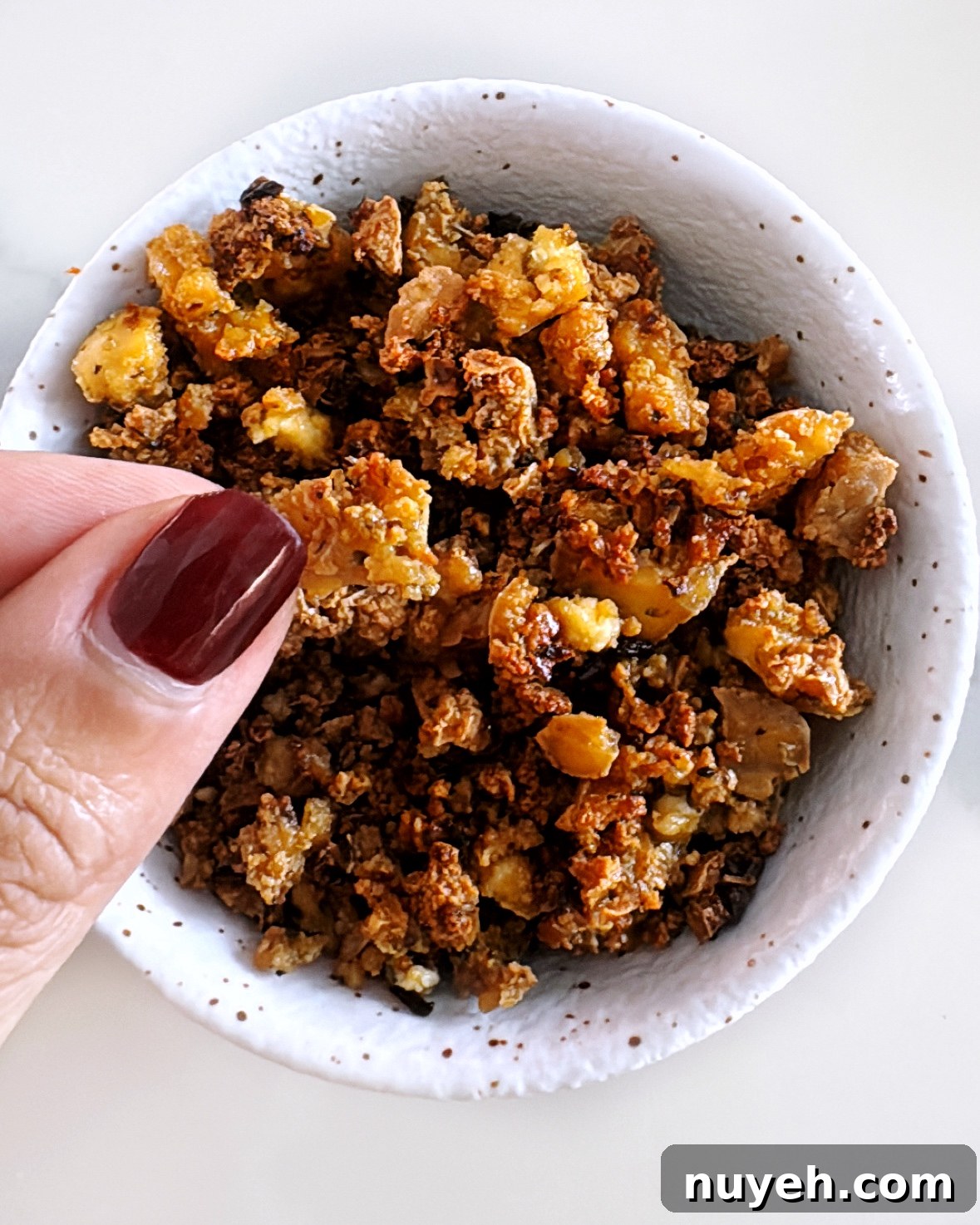
Crunchy minced tofu
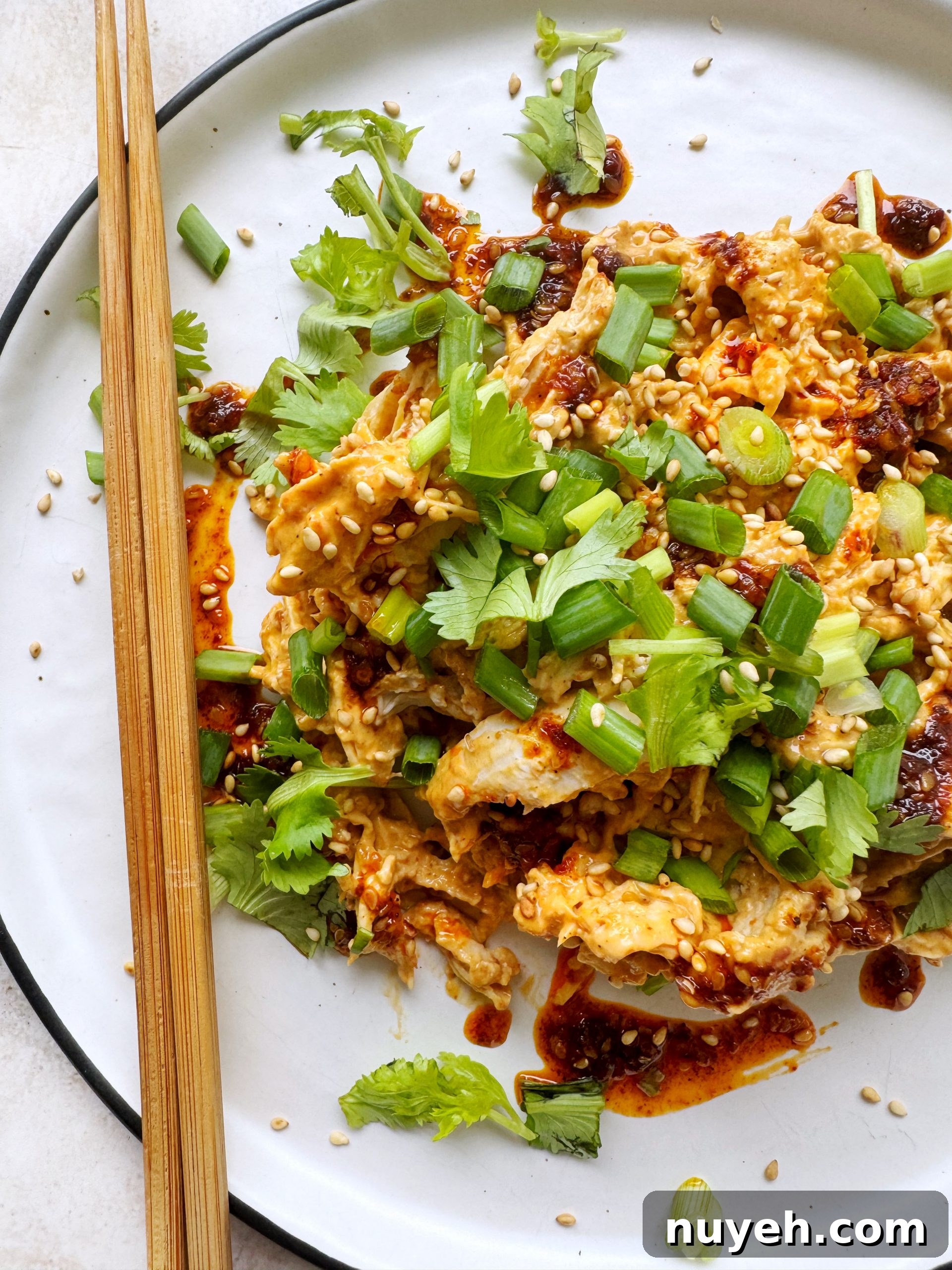
Bang bang Chicken Salad
Both recipes rely on high-quality protein sources (tofu in one, chicken in the other) and are easily adapted to fit vegetarian or omnivore preferences. They pair well with whole grains, salads, or roasted vegetables to create balanced meals.
Protein is a cornerstone of a healthy diet for women at every life stage. Focus on variety, distribute intake across the day, and choose whole-food sources first. Small, consistent changes—like a protein-rich breakfast, a satisfying snack, or a protein-forward dinner—add up to meaningful benefits for strength, energy, and long-term health.