At The Produce Moms, we aim to make learning about fruits and vegetables enjoyable and practical. You care about what goes on your family’s plates, but it isn’t always simple to decide what to serve. Our goal is to make selecting, storing, and serving produce as easy as possible. To that end, we worked with Sun World to explore grape nutrition in detail.
Executive summary of grapes is sponsored by Sun World.
After reading this guide, you’ll understand grape nutrition facts and the health benefits that make grapes a smart everyday choice. They’re an easy, kid-friendly, mom-approved snack to keep on hand for quick, nutritious bites.
Here’s why grapes deserve a place in your fridge and your family’s snack rotation.
Nutrition and Health Benefits of Grapes
Grapes pack a surprising amount of nutrition into a small package. Research highlights that grapes contribute nutrients and plant compounds linked to several important aspects of health, including:
- support for heart, brain, and gut health
- assistance with healthy weight management
- potential to help lower the risk of certain cancers
Eating one to two cups of grapes can deliver many of these benefits. Grapes are naturally rich in vitamins, minerals, fiber, and antioxidants that support overall well-being. Some specific nutrients to note:
- Vitamin C — helps support the immune system, especially during cold and flu seasons
- Natural antioxidants — compounds that help reduce inflammation and cellular stress, contributing to healthy aging
- Copper — a trace mineral that supports energy metabolism and overall vitality
Because they’re naturally sweet and easy to eat, grapes are an appealing option for both children and adults.

Let’s Break Down Grape Nutrition
While products like grape juice or wine are enjoyable in moderation, eating whole grapes provides the most complete nutritional benefit. The skin, flesh, and seeds contain fiber, water, protein, and antioxidant compounds that work together when consumed whole. It’s also the simplest option — just rinse and serve for a quick, nutrient-dense snack.
Whole grapes are convenient to add to school lunches, snacks, or charcuterie-style plates. They deliver hydration and nutrients without much preparation, making them a practical choice for busy families.
Did You Know …

People with diabetes can often include grapes in a balanced diet. Grapes contain natural sugars that are absorbed more slowly than added sugars in candy and many processed foods, which helps avoid rapid blood sugar spikes. Some studies even link diets that include whole fruits with lower risk of type 2 diabetes, heart disease, and certain cancers. As with any sweet food, portion control and overall meal planning matter.
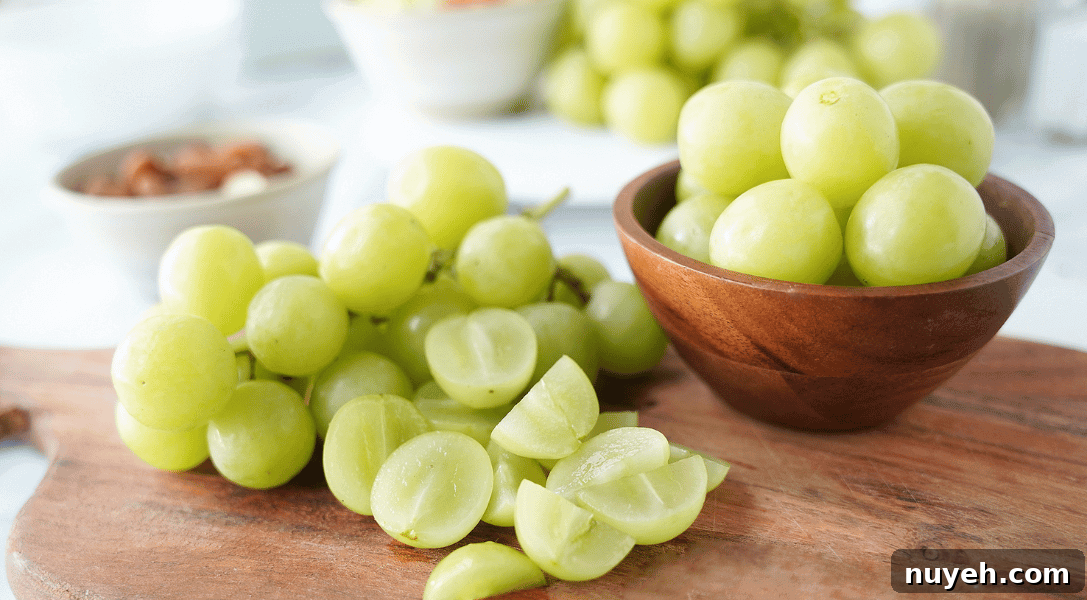
For young children, whole grapes can present a choking risk due to their small, round shape. When serving grapes to toddlers, cut them into smaller, bite-sized pieces until your child can safely chew them. Grapes are an excellent way to introduce children to fresh produce because they are naturally sweet and nutrient-dense.

3 Varieties of Table Grapes
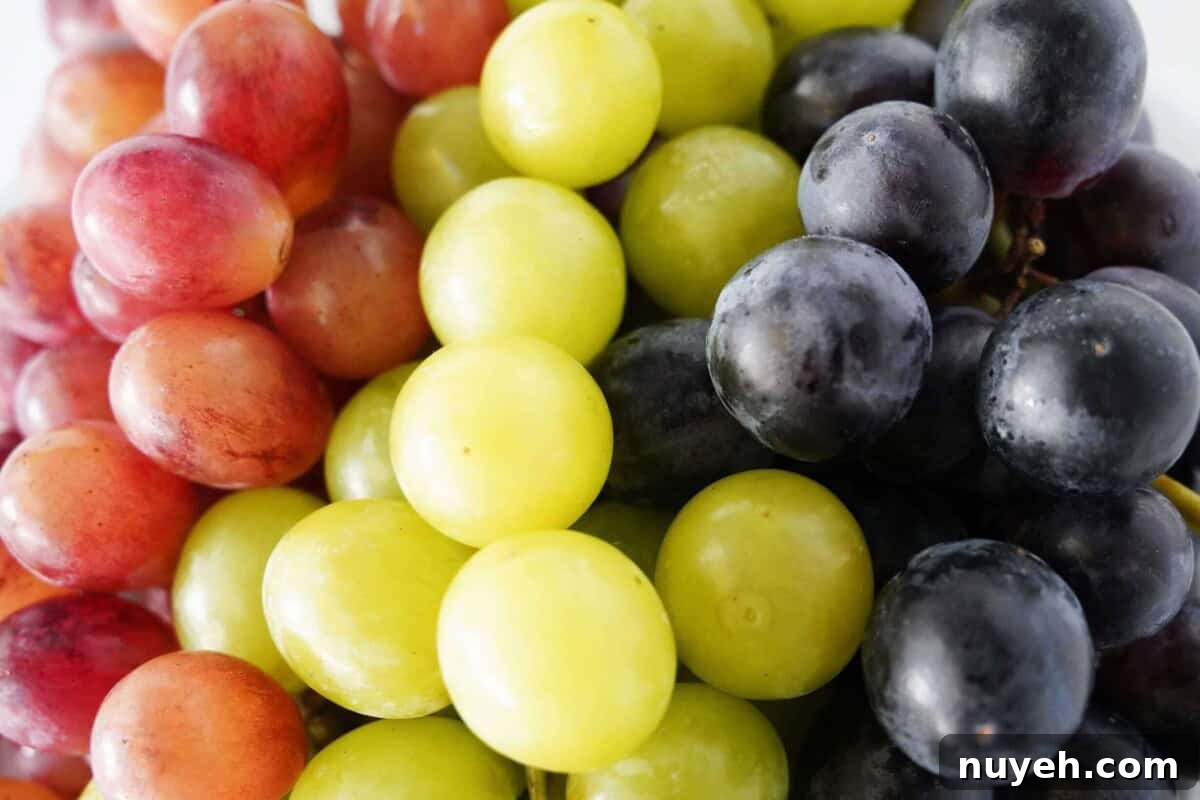
Table grapes come in three common color groups: purple, red, and green. Each color offers a slightly different mix of antioxidants and phytochemicals:
- Purple and red grapes contain anthocyanins — pigments with antioxidant properties that contribute to their darker color.
- Green grapes contain flavanols and other compounds that support antioxidant, anti-viral, and anti-inflammatory activity.
Because the mix and concentration of beneficial compounds vary by color and variety, enjoying a mix of purple, red, and green grapes is a simple way to maximize the range of nutrients you get.
Feel Better, Eat More Grapes

If you’re ready to add more grapes to your meals, try them in a variety of preparations. They work well fresh, roasted, or mixed into salads and bowls. A few recipe ideas to get you started:
- Burrata board with roasted grapes for a sweet, creamy contrast
- Grape salad — a fresh twist on classic fruit salads
- Oven-roasted grapes for a juicy, caramelized topping
- Trail mix featuring grapes paired with nuts and seeds for texture and flavor
Grapes offer a convenient way to boost daily fruit intake while enjoying natural sweetness and a variety of nutrients. If you’d like a deeper look at the benefits, you can search for articles like “7 Reasons to Eat More Grapes” for more ideas and details on how grapes support family health.