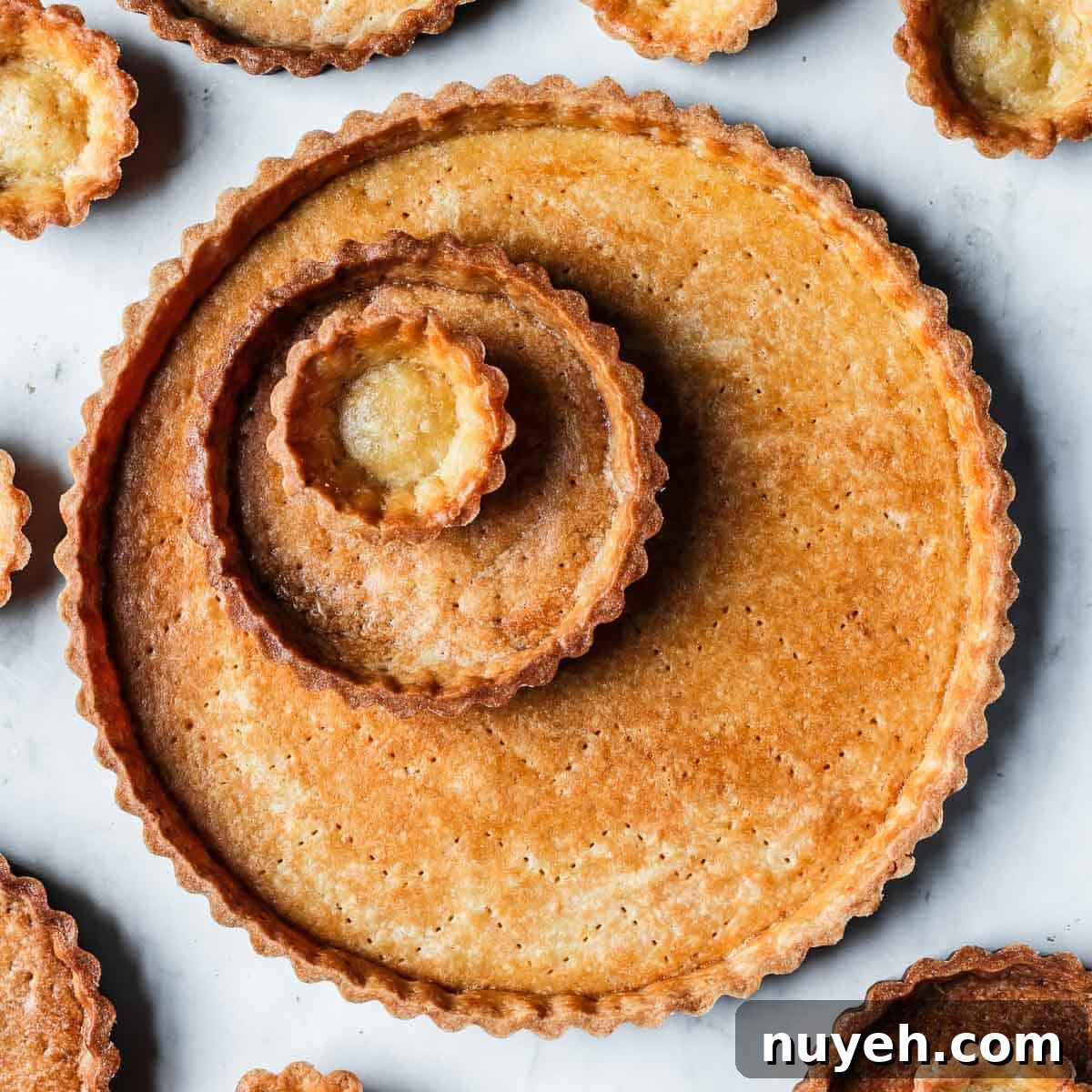
This pâte sucrée recipe gives a simple, no-fuss way to make classic French sweet tart dough. It yields a flavorful, buttery, tender crust that’s sturdy enough for most tart fillings.
Step-by-step photos and clear directions guide you to a golden, evenly baked tart shell. No pie weights required.
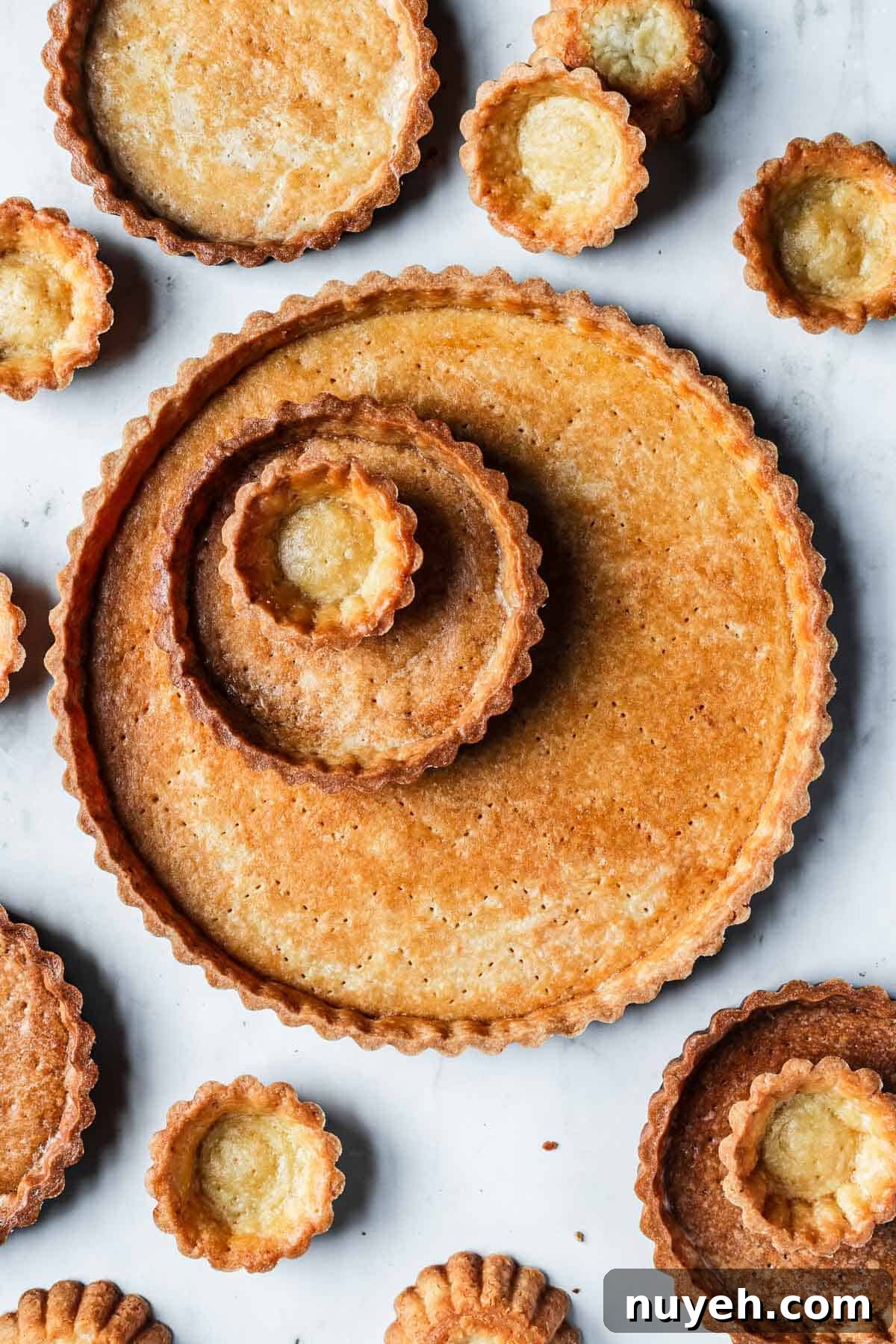
Tarts are one of my favorite things to bake. A well-made tart shell is versatile and elegant—like the little black dress of the baking world.
This pâte sucrée works for beginners and experienced bakers. It’s quick, forgiving, and can be made in a stand mixer, food processor, or by hand.
Use it for par-baking when the filling needs more time in the oven (like frangipane or custard), or blind bake it fully for no-bake fillings such as ganache, pastry cream, or panna cotta.
The dough rolls easily and can also be pressed into a tart pan. If it cracks while shaping, press a little extra dough to patch. If the dough gets too soft, chill it 5–10 minutes to firm the butter. The finished crust is sweet with a rich, buttery shortbread texture and a crisp structure.
Yield and baking times
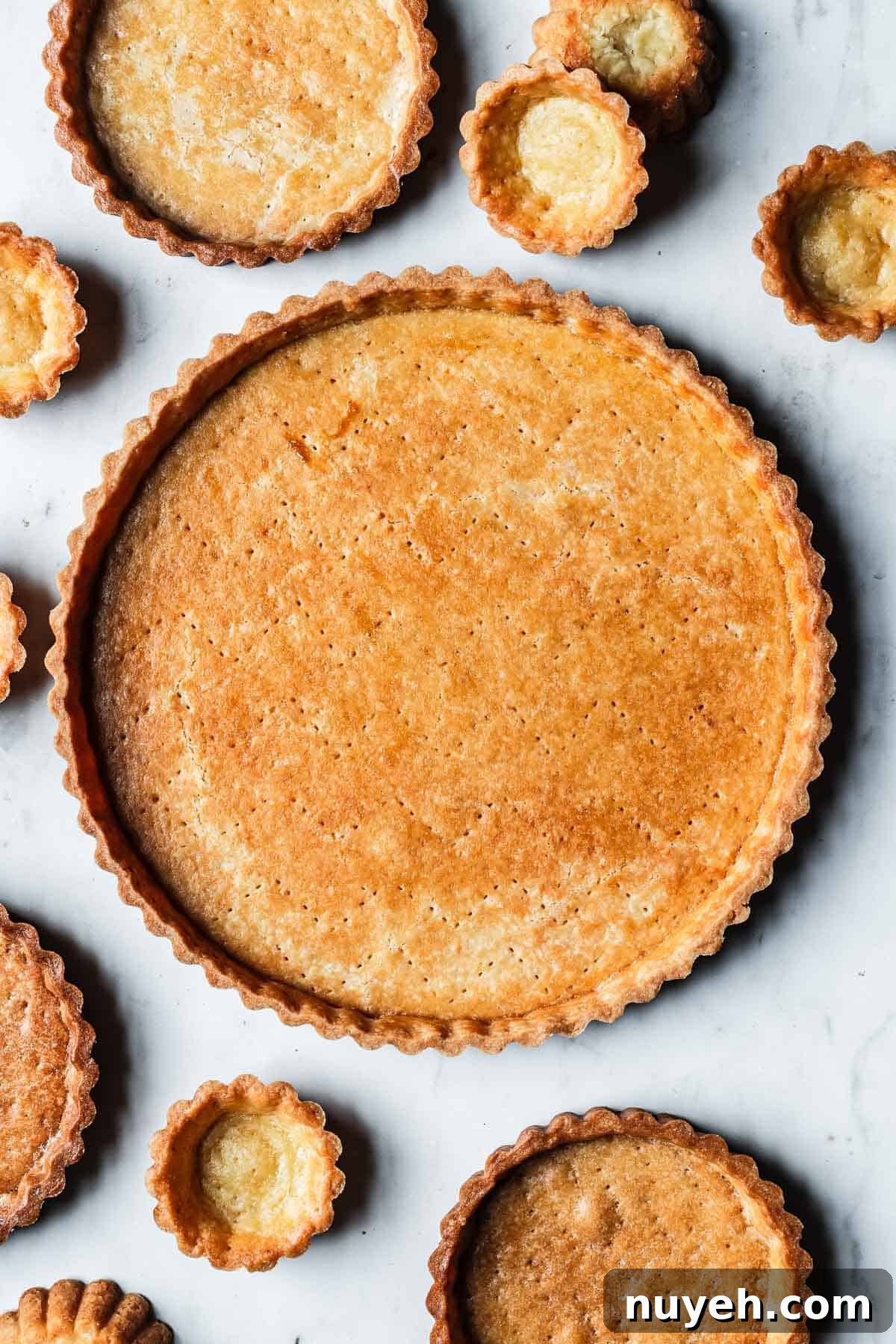
One batch of this dough covers several pan sizes. Baking time varies by pan size. For best results, place your tart pan on a parchment-lined baking sheet to catch drips.
Standard yields (recipe as written)
- 1 Large Tart: 9.5-inch (24 cm) round tart pan.
- Par bake: 15 minutes
- Blind bake: 25 minutes
- 4 Mini Tarts: 4 x 4-inch (10 cm) round mini tart pans.
- Par bake: 10–12 minutes
- Blind bake: 20–22 minutes
- 12–14 Tartlets: 2.6-inch (6.6 cm) tartlet pans.
- Par bake: 10 minutes
- Blind bake: 20 minutes
- 1 Rectangular Tart: 5 x 14-inch or 7 x 11-inch pan.
- Par bake: 15 minutes
- Blind bake: 25 minutes
Common pan notes
- 8-inch round: This recipe works; you’ll have a bit of leftover dough. Use the same baking times as the large tart.
- 11-inch round: Scale the recipe by 1.5x and expect a slightly longer bake time; check around 25 minutes and add time as needed while protecting edges from over-browning.
Ingredients
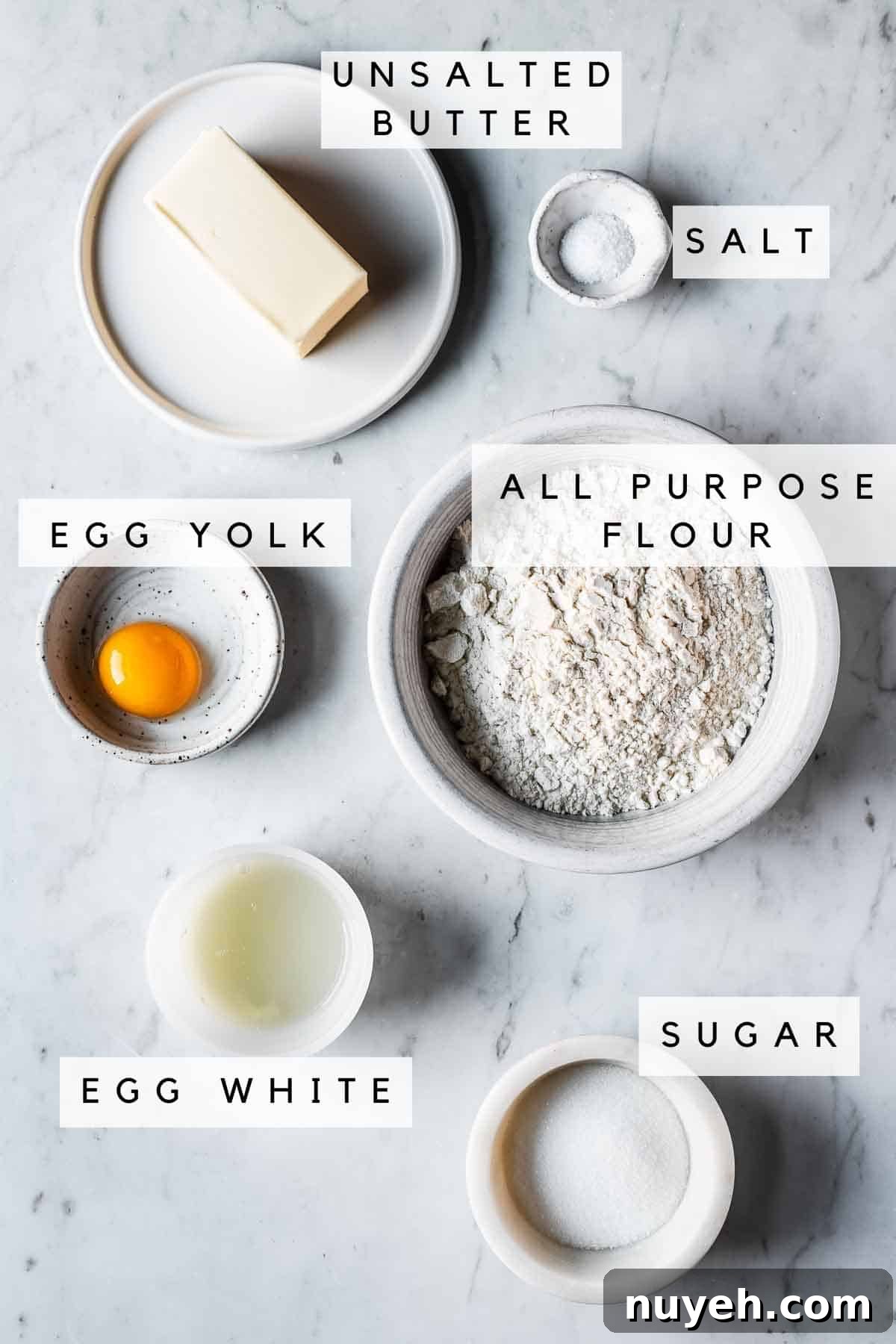
* See the recipe card below for the exact ingredient list and quantities.
Unsalted butter — room temperature. This recipe uses a creaming method, so slightly softened butter is needed.
Granulated sugar — commonly used and pantry-friendly. Powdered sugar can be substituted in equal measure for a slightly denser crust.
Kosher salt — a pinch enhances flavor. If using a finer or coarser salt, adjust the amount accordingly.
Egg — the yolk binds the dough; the white is reserved for an egg wash to seal the baked crust. If you skip the egg wash, you can brush a thin layer of melted chocolate on the cooled shell to help seal it for moist fillings.
Instructions
Photos in the post illustrate each step; the condensed instructions below cover the full method.
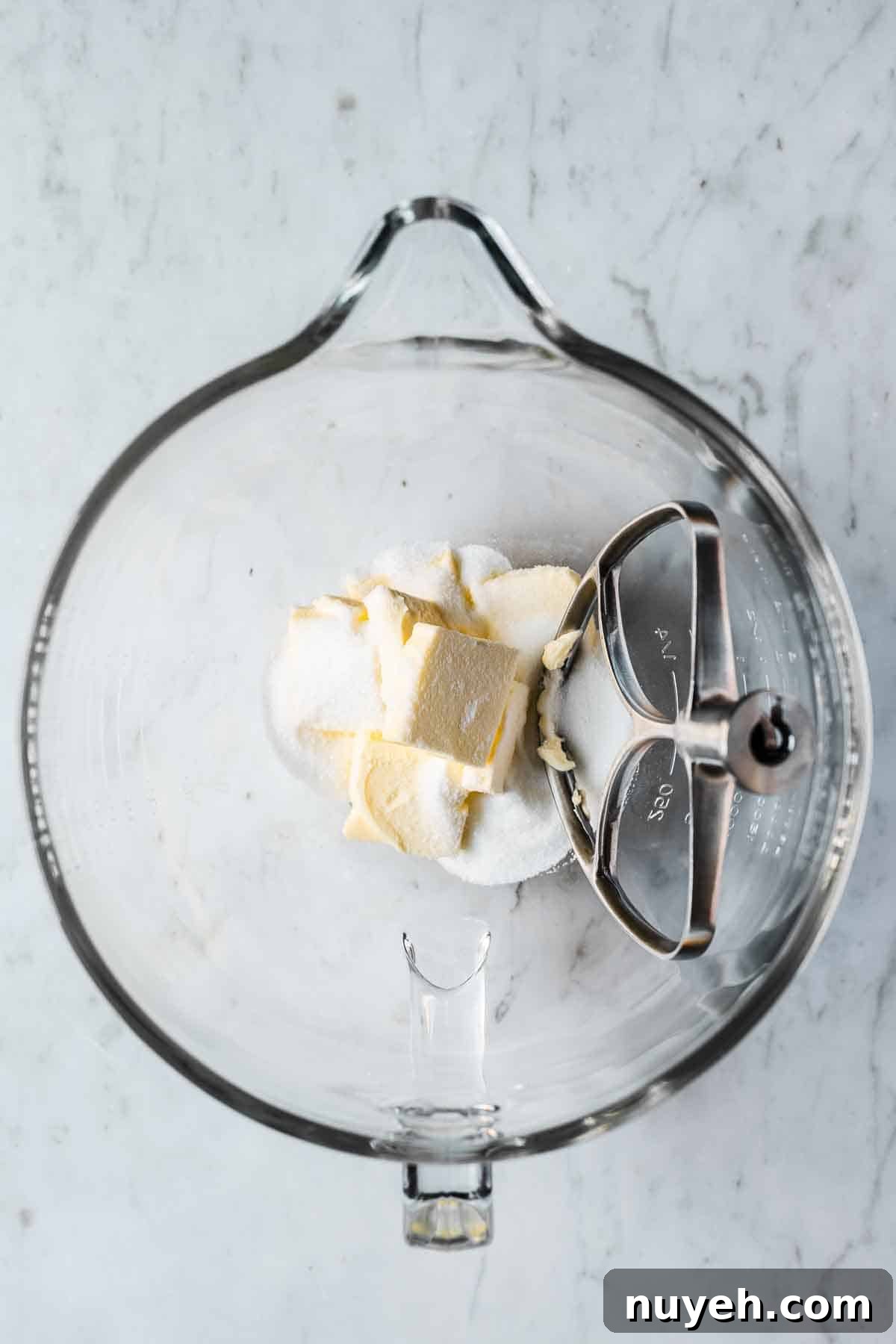
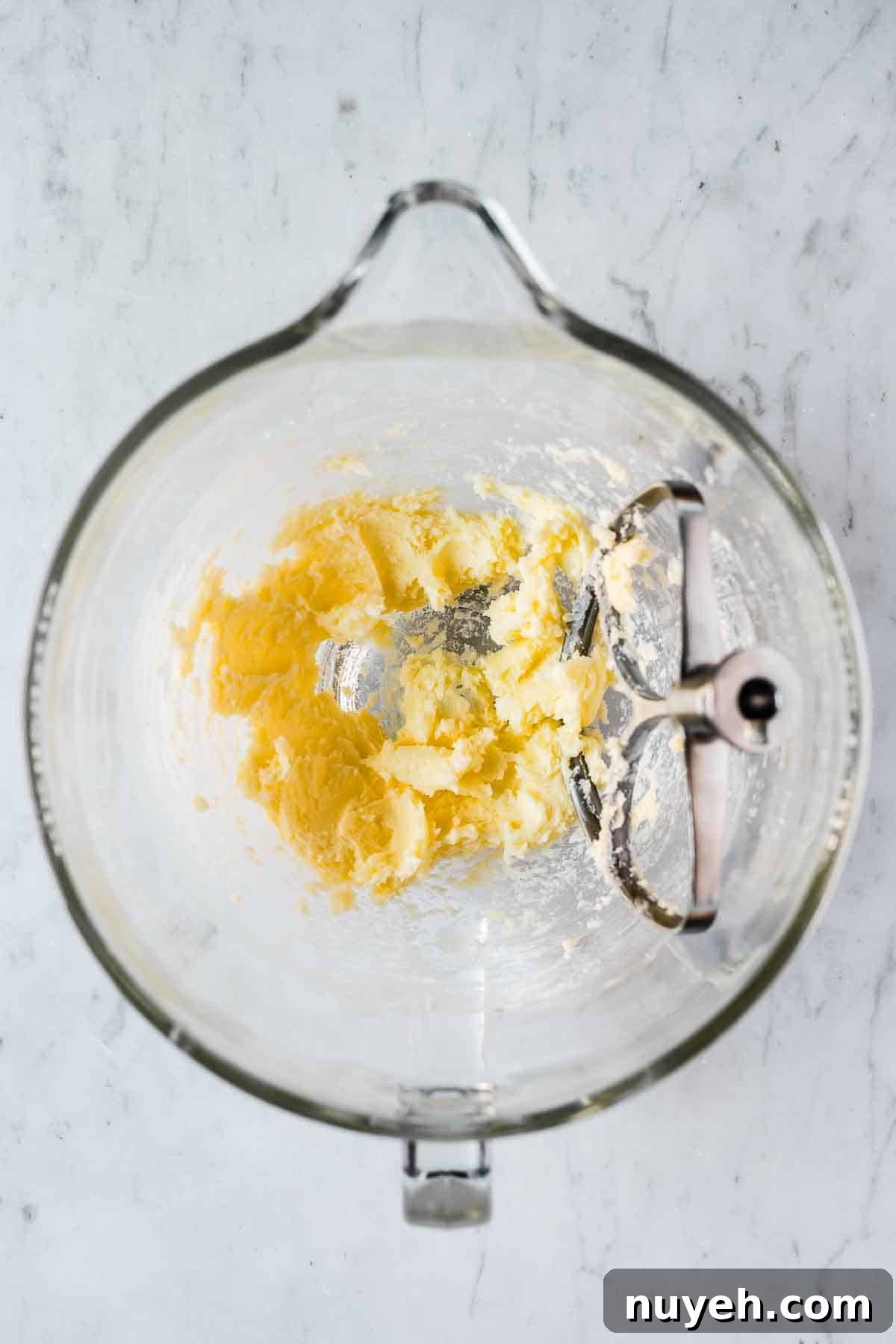
1. In a stand mixer fitted with the paddle, beat the butter, sugar, and salt on medium speed until combined. Scrape bowl sides.
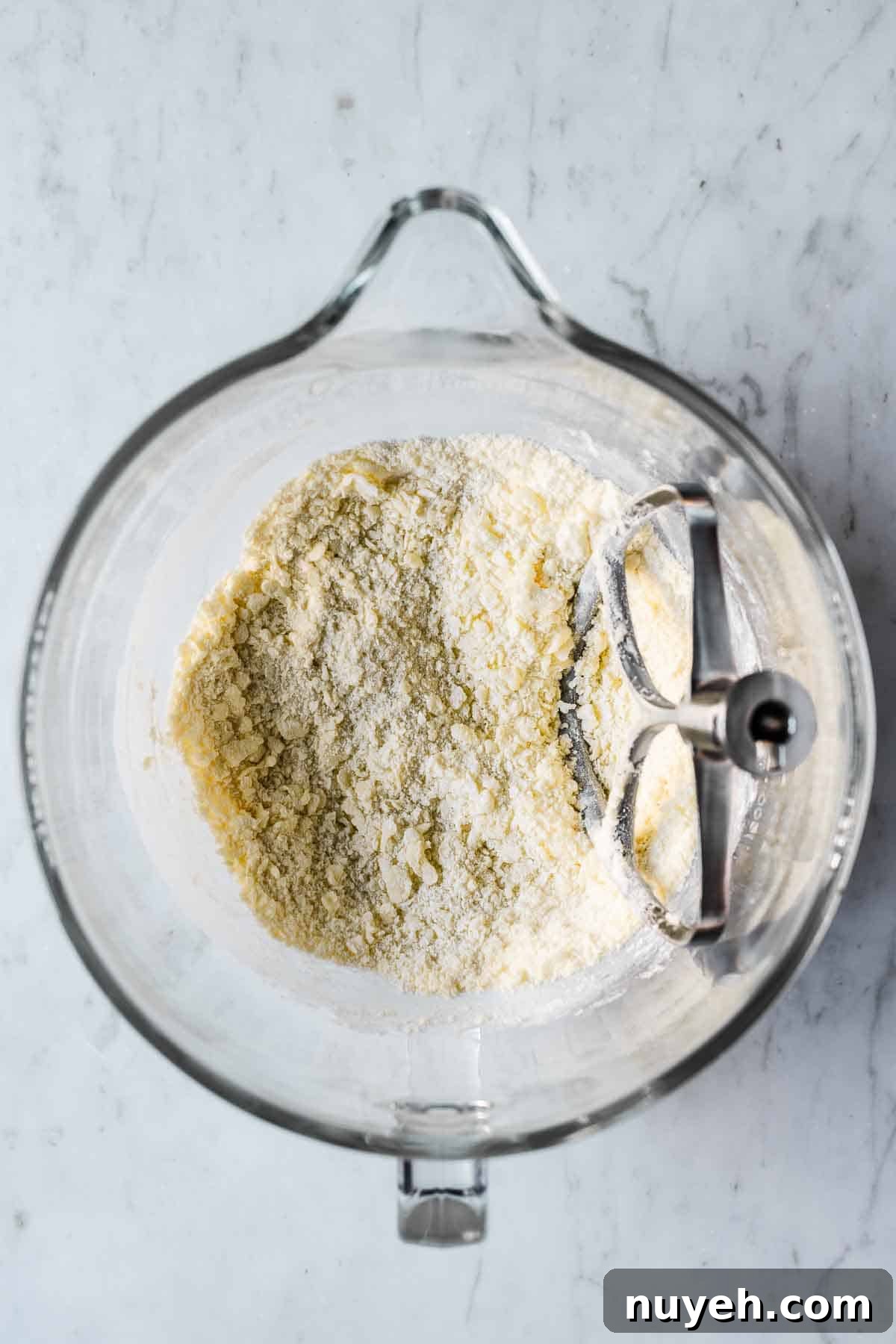
2. Add the flour and mix on low until the mixture looks coarse and grainy, about 1 minute. Scrape the sides so all butter is incorporated; pieces should resemble coarse sand and pea-sized lumps.
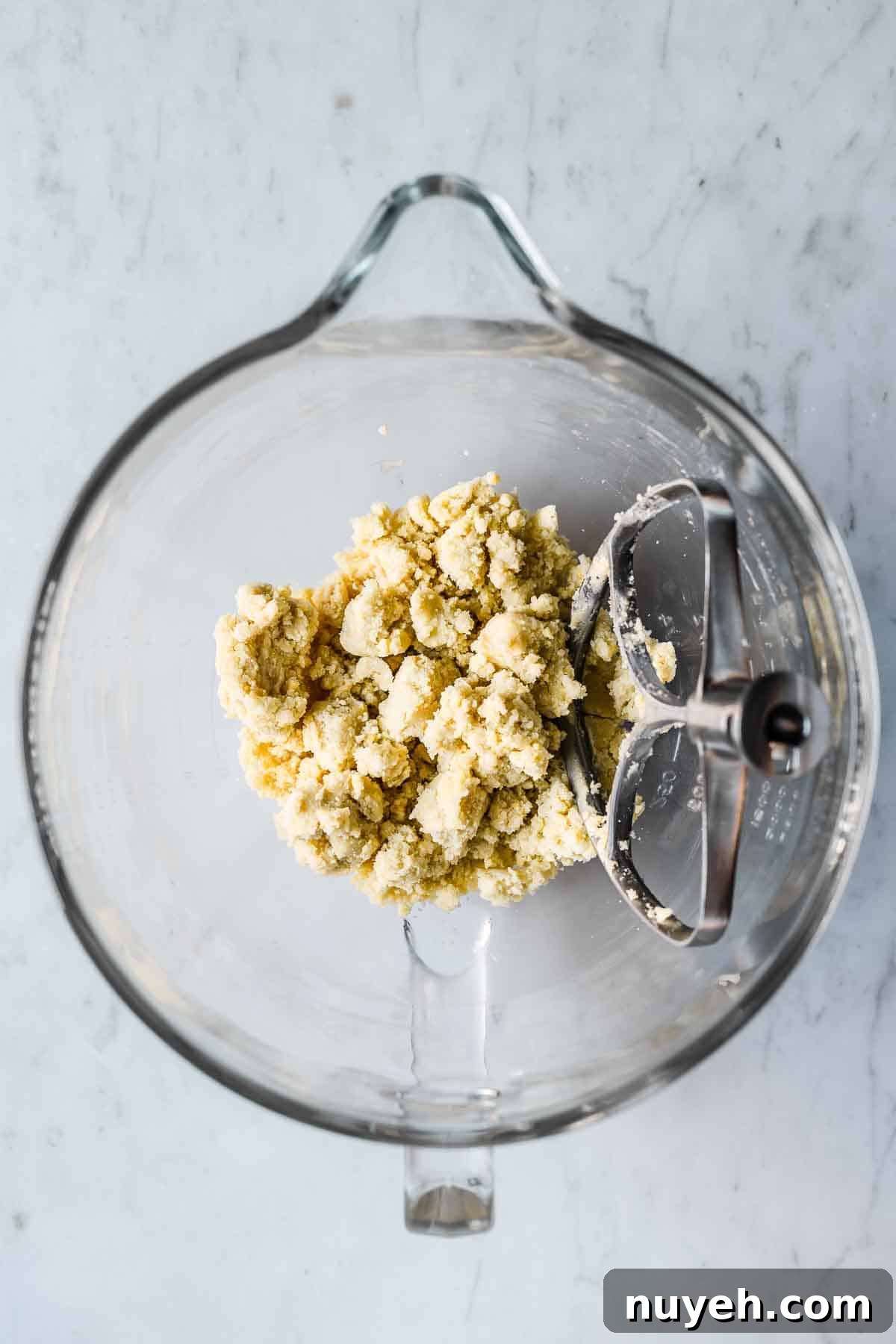
3. Add the egg yolk and mix 30–60 seconds. The dough should begin to come together; when pinched it should hold.
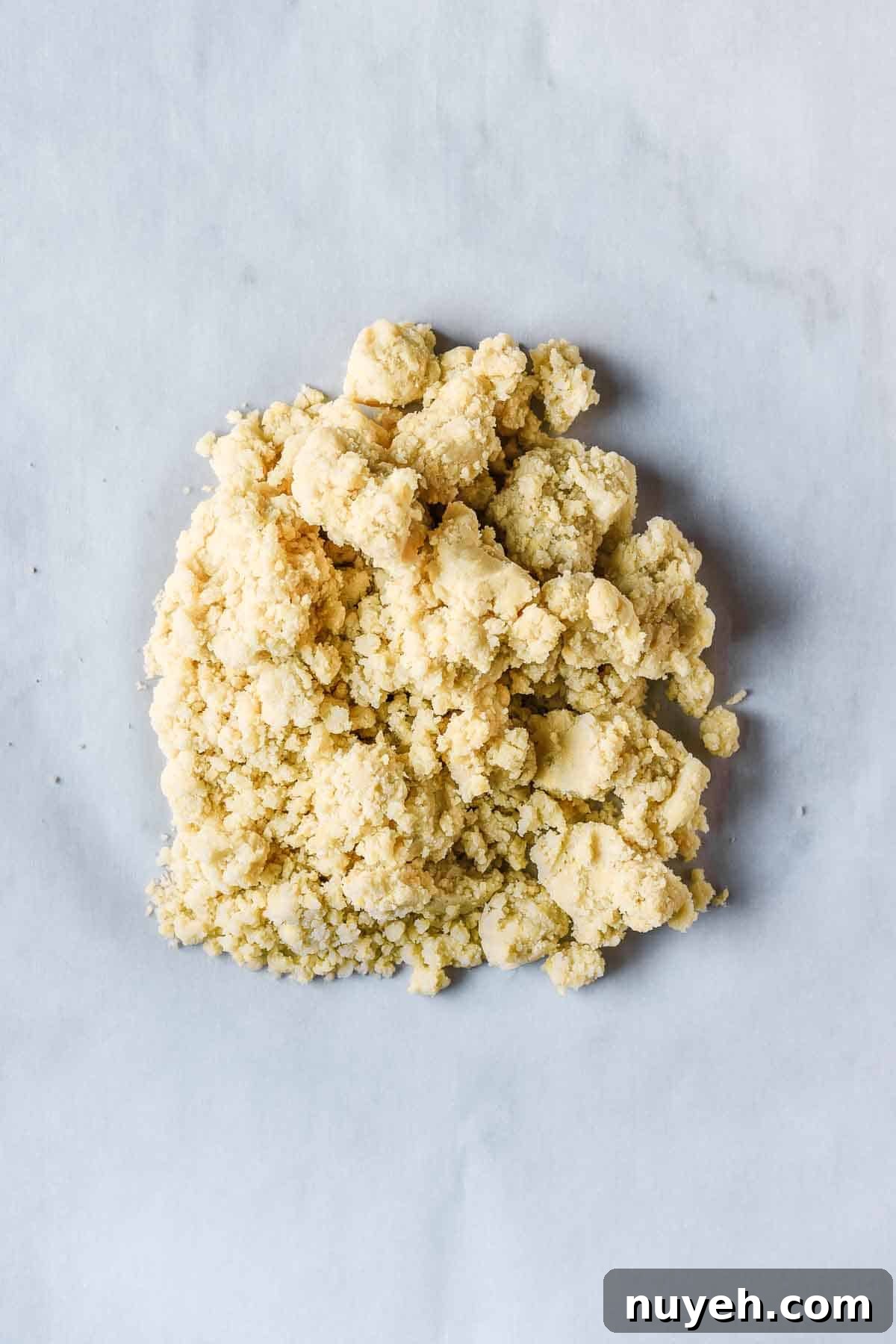
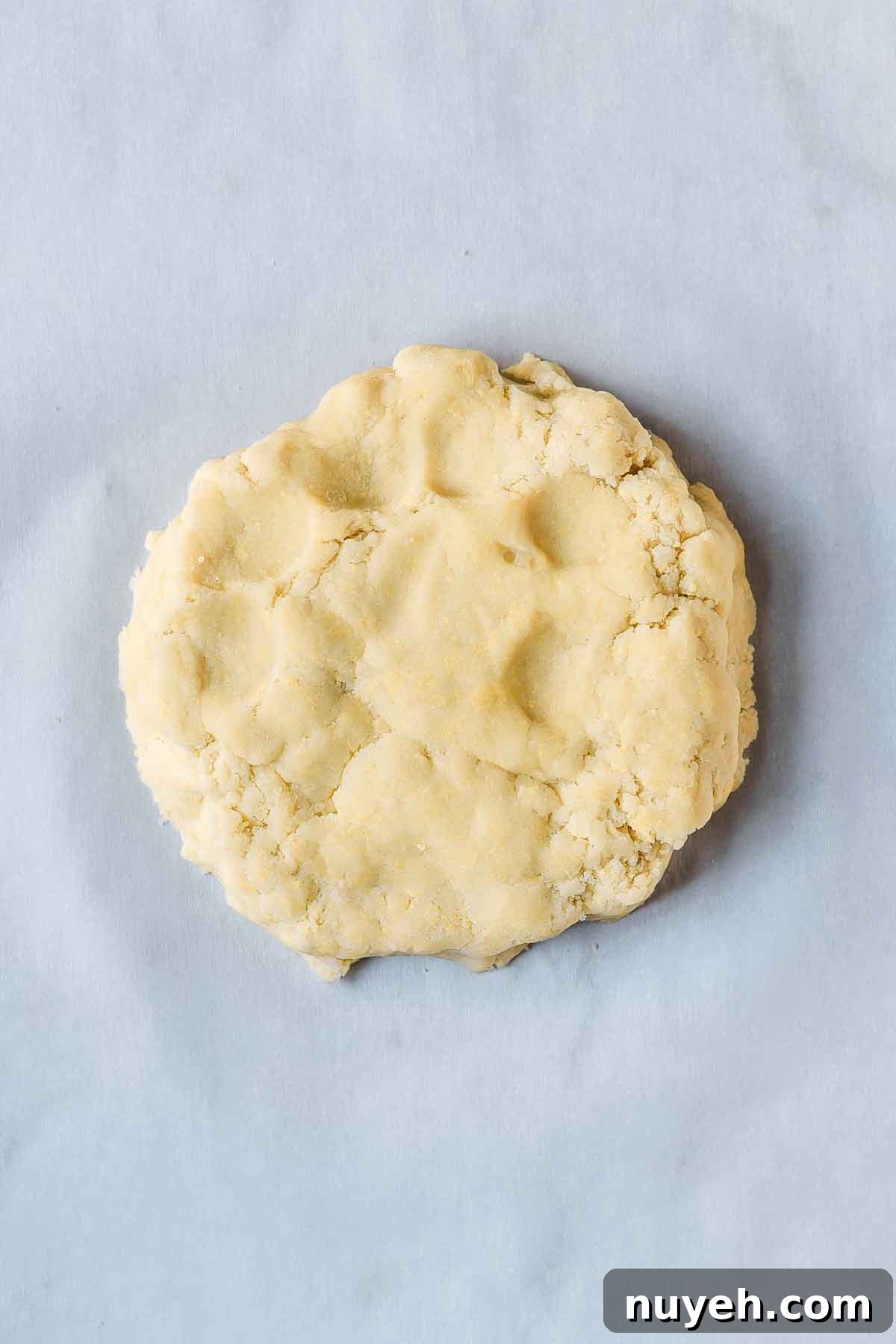
4. Turn the dough onto a piece of parchment, press into a disc, and top with another sheet of parchment.
5. Roll the dough to an 11-inch circle about 1/4 inch (6 mm) thick. If it becomes sticky, chill 5–10 minutes before continuing.
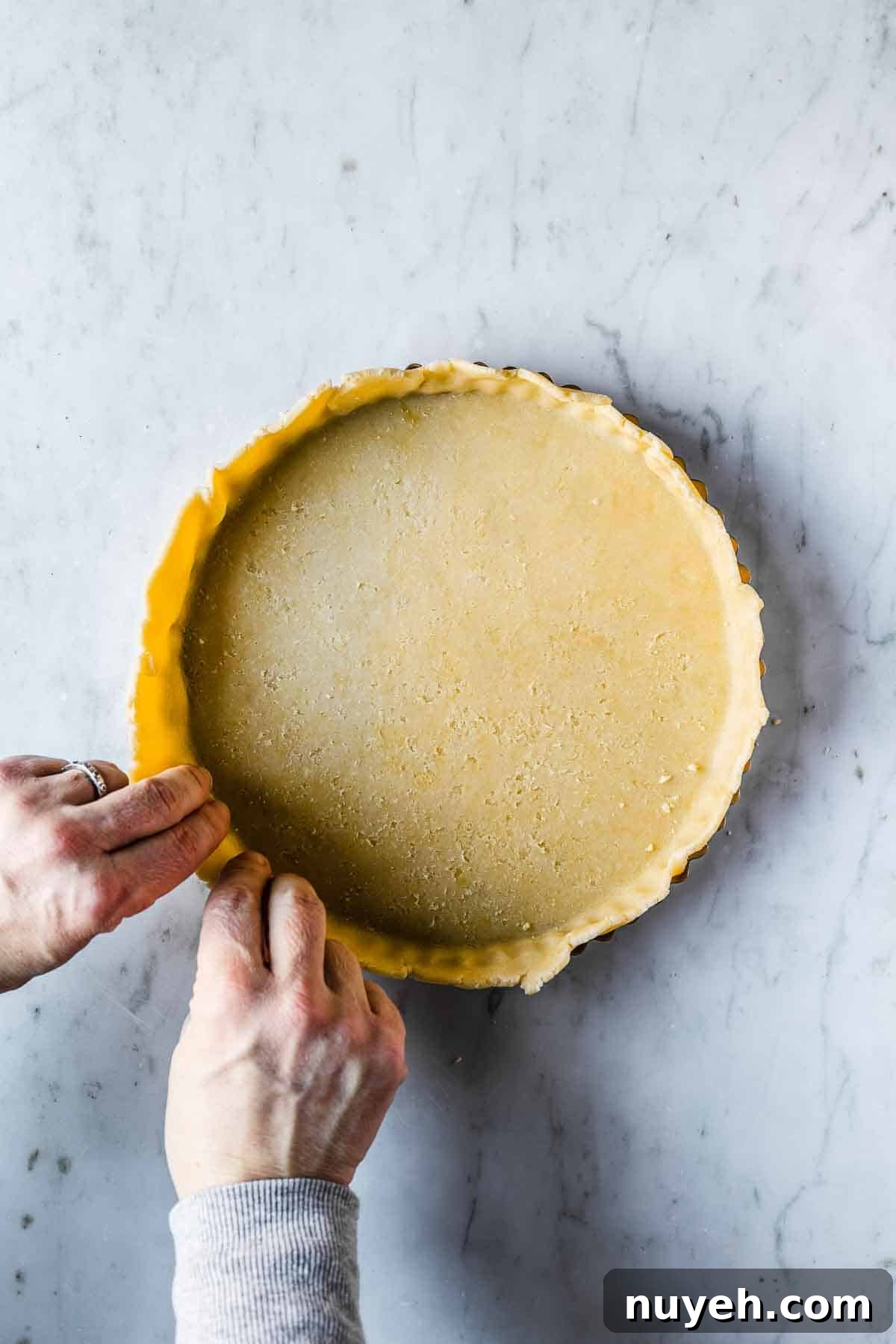
6. Peel away the top parchment, flip the dough into the tart pan using the bottom parchment, and gently press it into the corners. Leave the excess overhanging.
Hint: If the dough is sticky and warm, chill it before shaping. If cracks occur, patch with scraps; the dough is forgiving.
7. Chill the untrimmed tart on a baking sheet in the refrigerator for at least 1 hour.
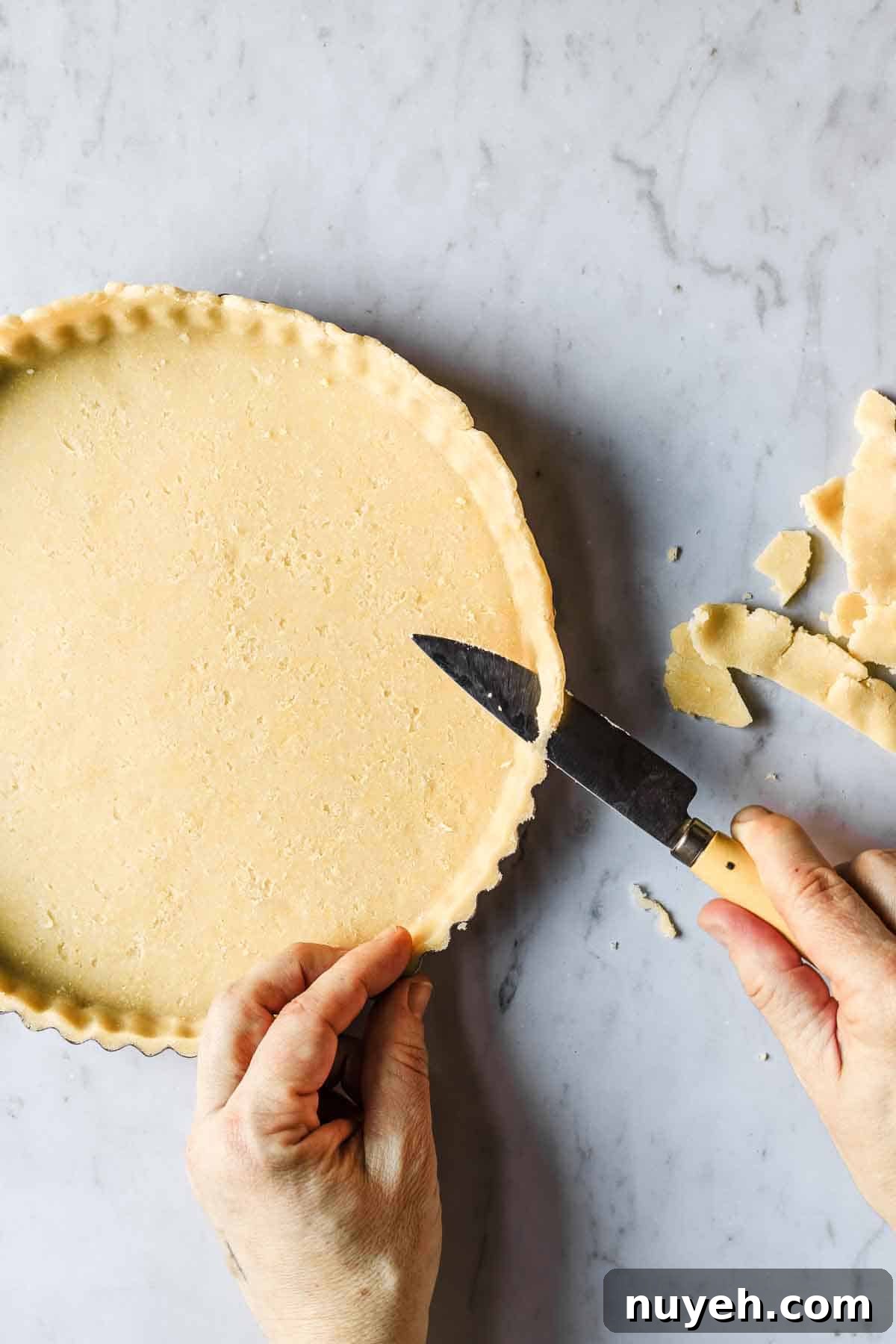
8. Remove from the fridge and trim the excess dough with a knife held parallel to the work surface for a clean edge.
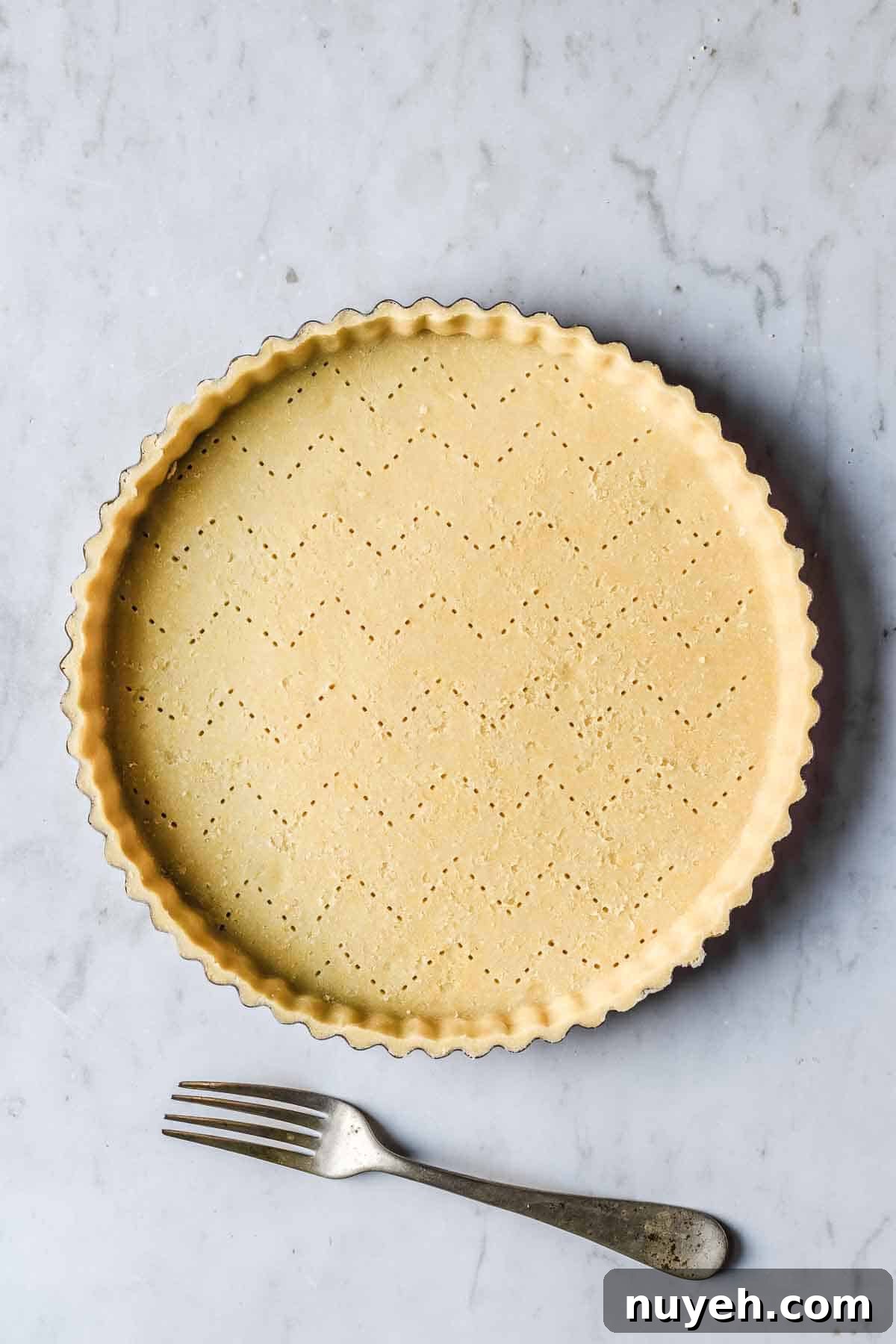
9. Use a fork to dock (prick) the base. Hold the fork flat to dock the sides in two horizontal rows. If using a perforated tart pan, docking may not be necessary.
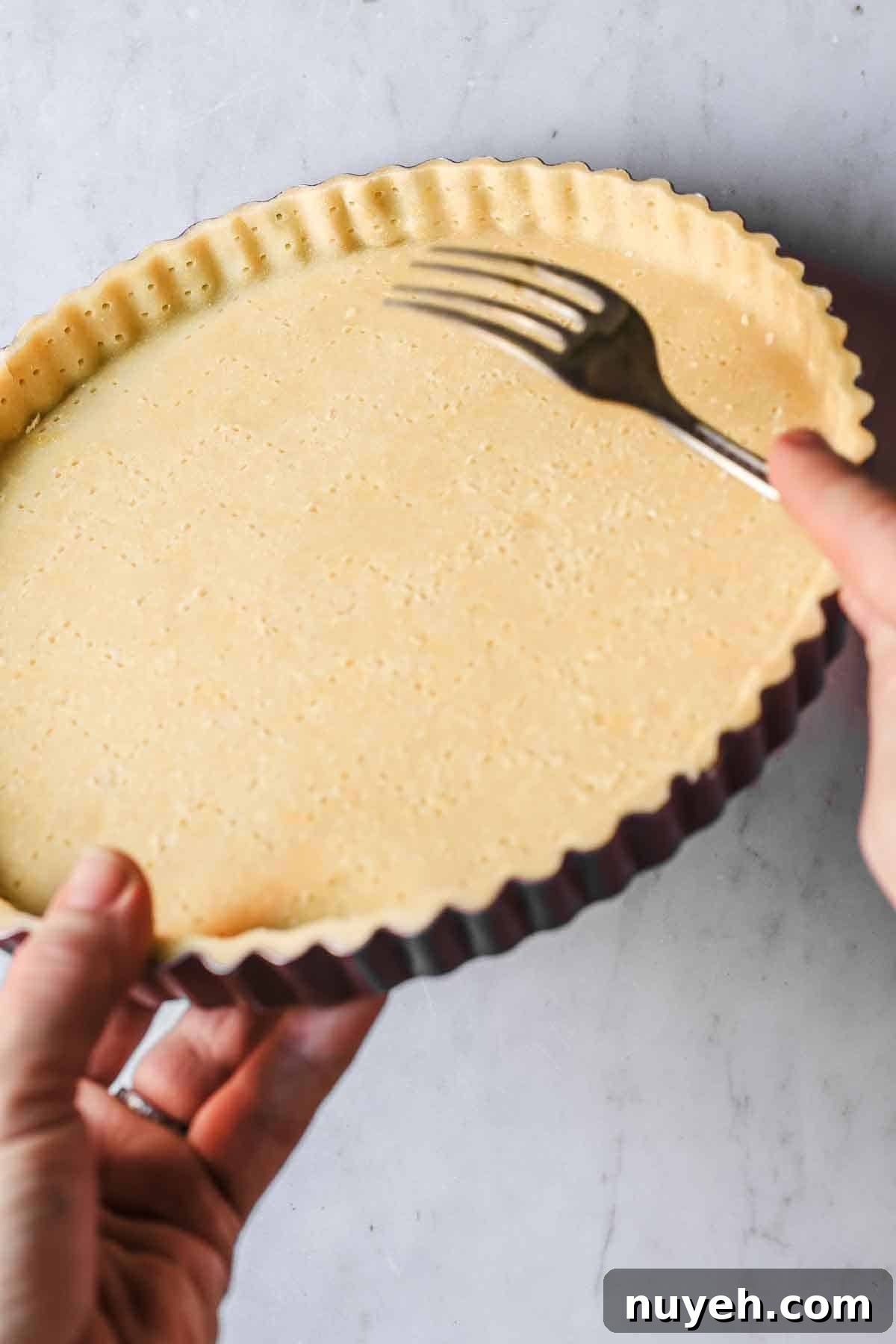
10. Place the tart shell in the freezer while the oven preheats to 350°F (177°C), rack in the center.
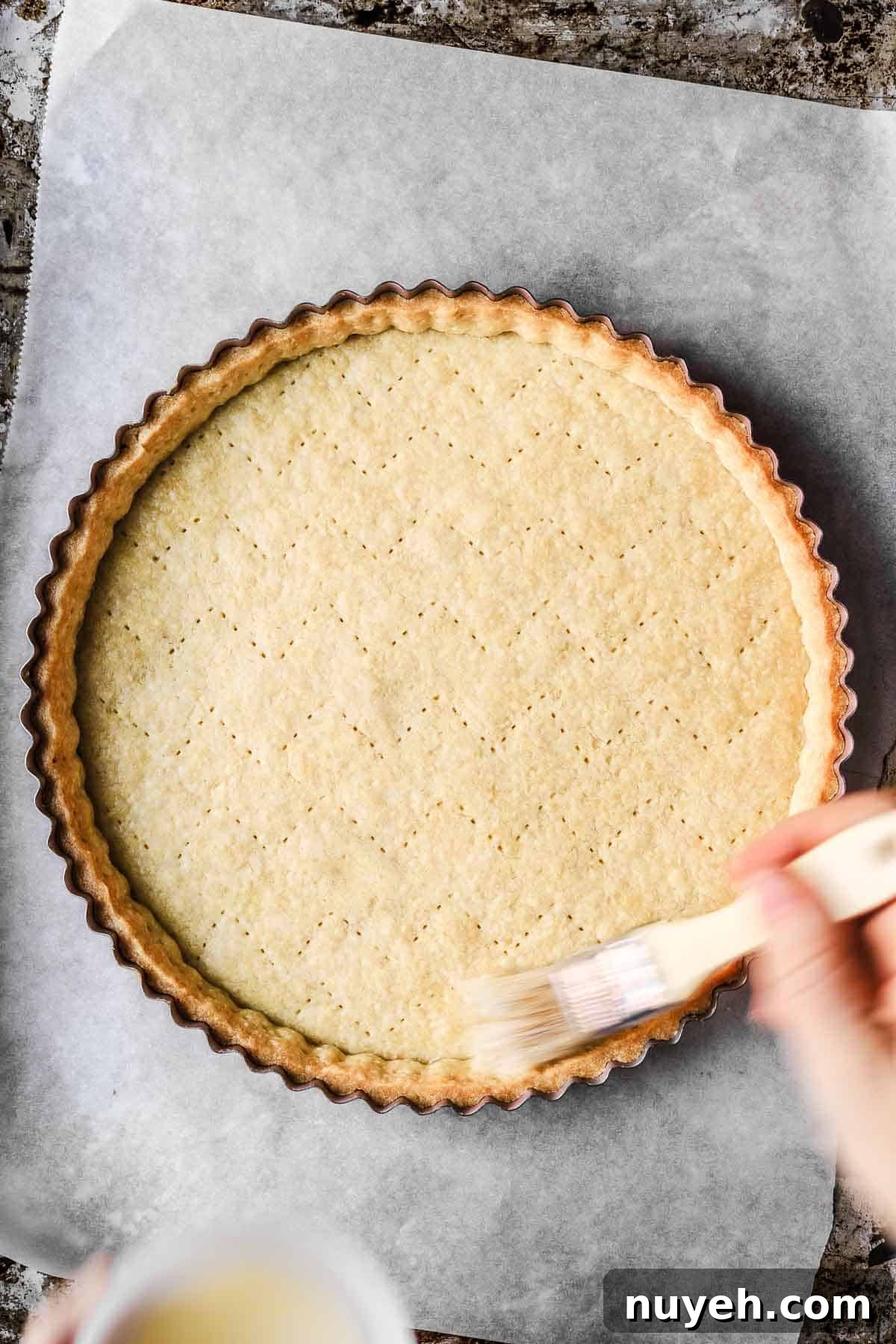
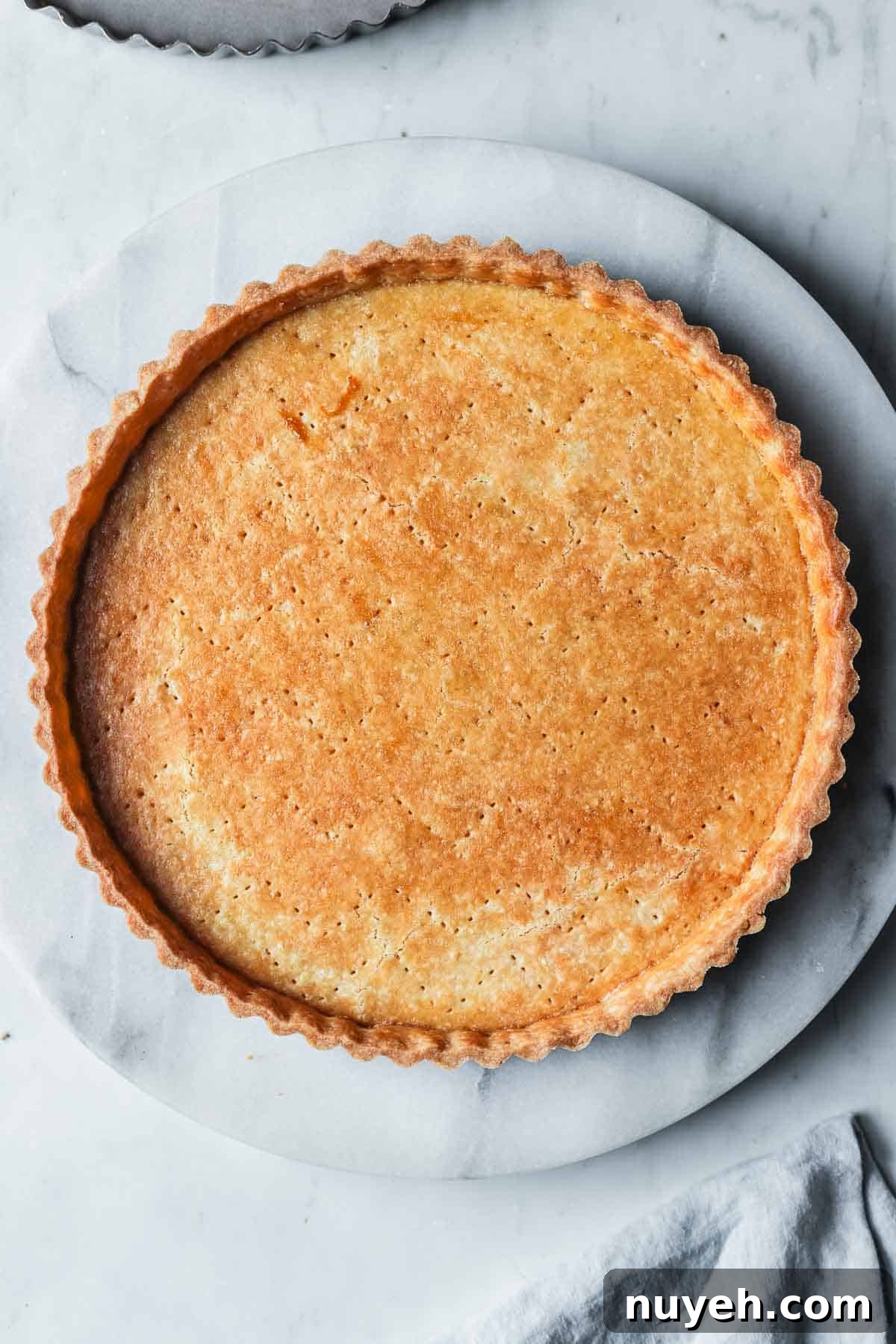
11. Place the tart on a parchment-lined baking sheet and bake: par bake 10–15 minutes (mini tarts use shorter times), blind bake 20–25 minutes until the crust looks dull and begins to pale gold. Remove and cool 3–5 minutes.
12. Whisk the egg white with 1 tablespoon (15 mL) water and brush the base and sides to seal.
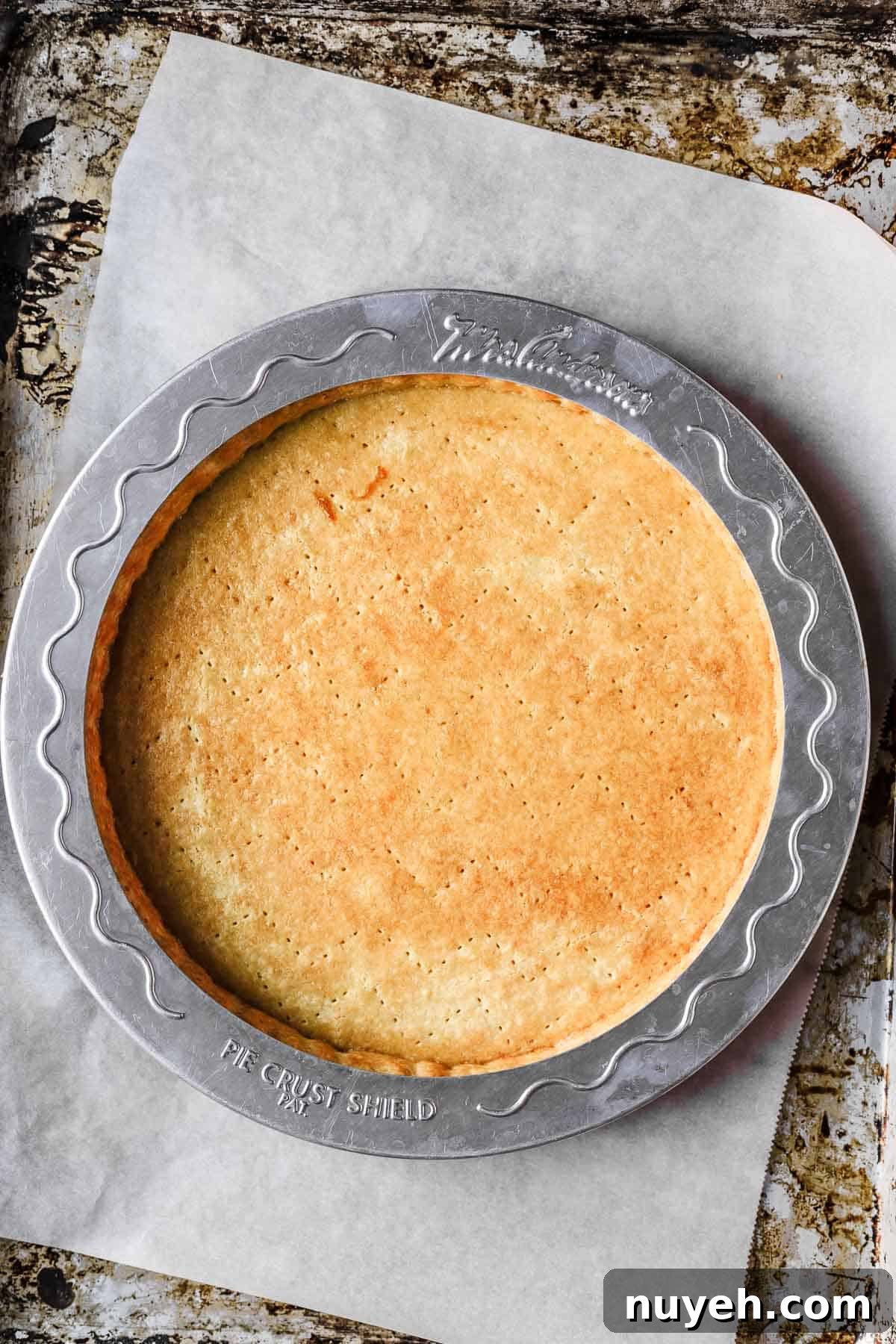
13. Return to the oven and bake an additional 5–15 minutes to your preferred golden brown. Use a pie shield or foil strips to protect the edges if they brown too quickly. Cool completely in the pan on a rack.
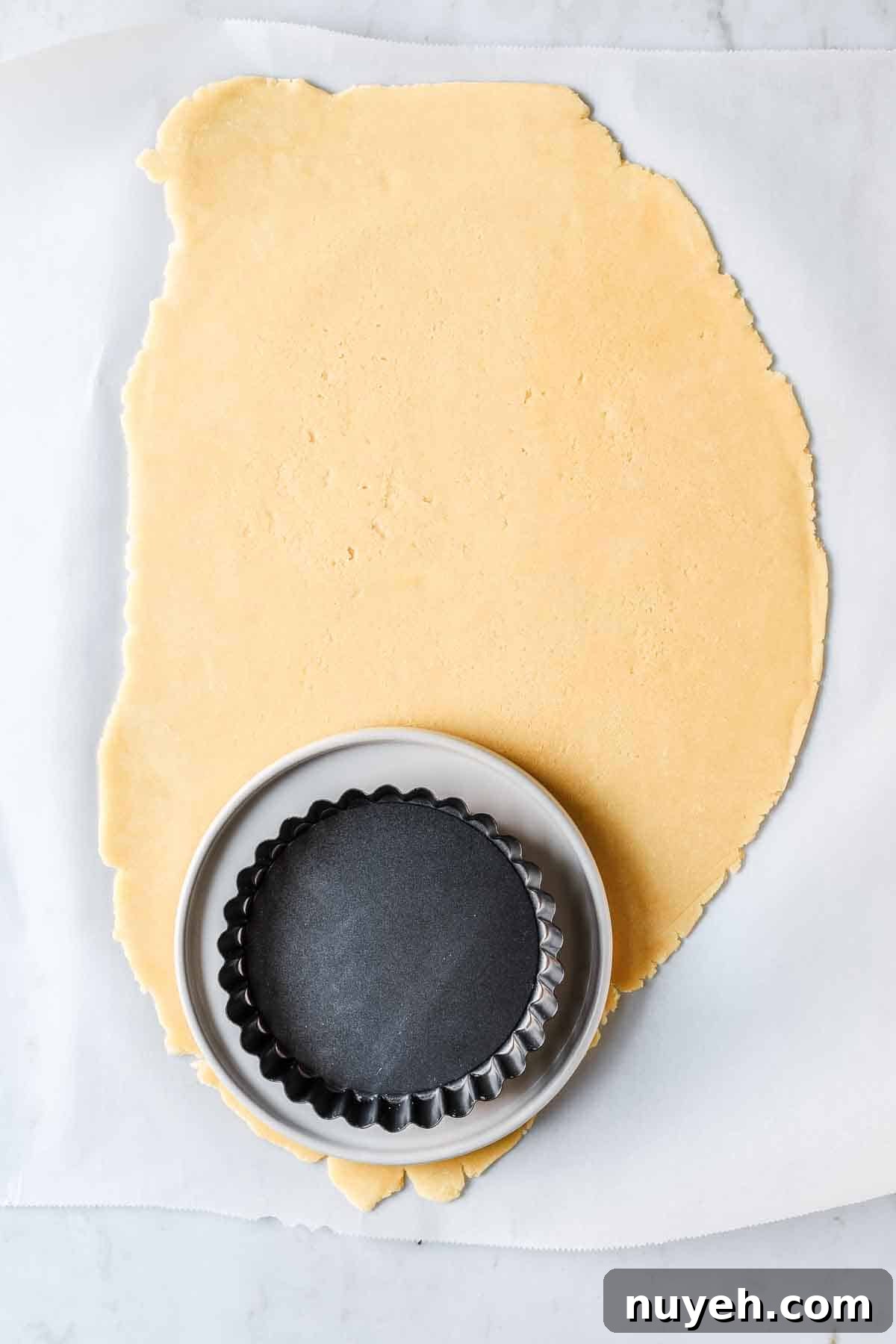
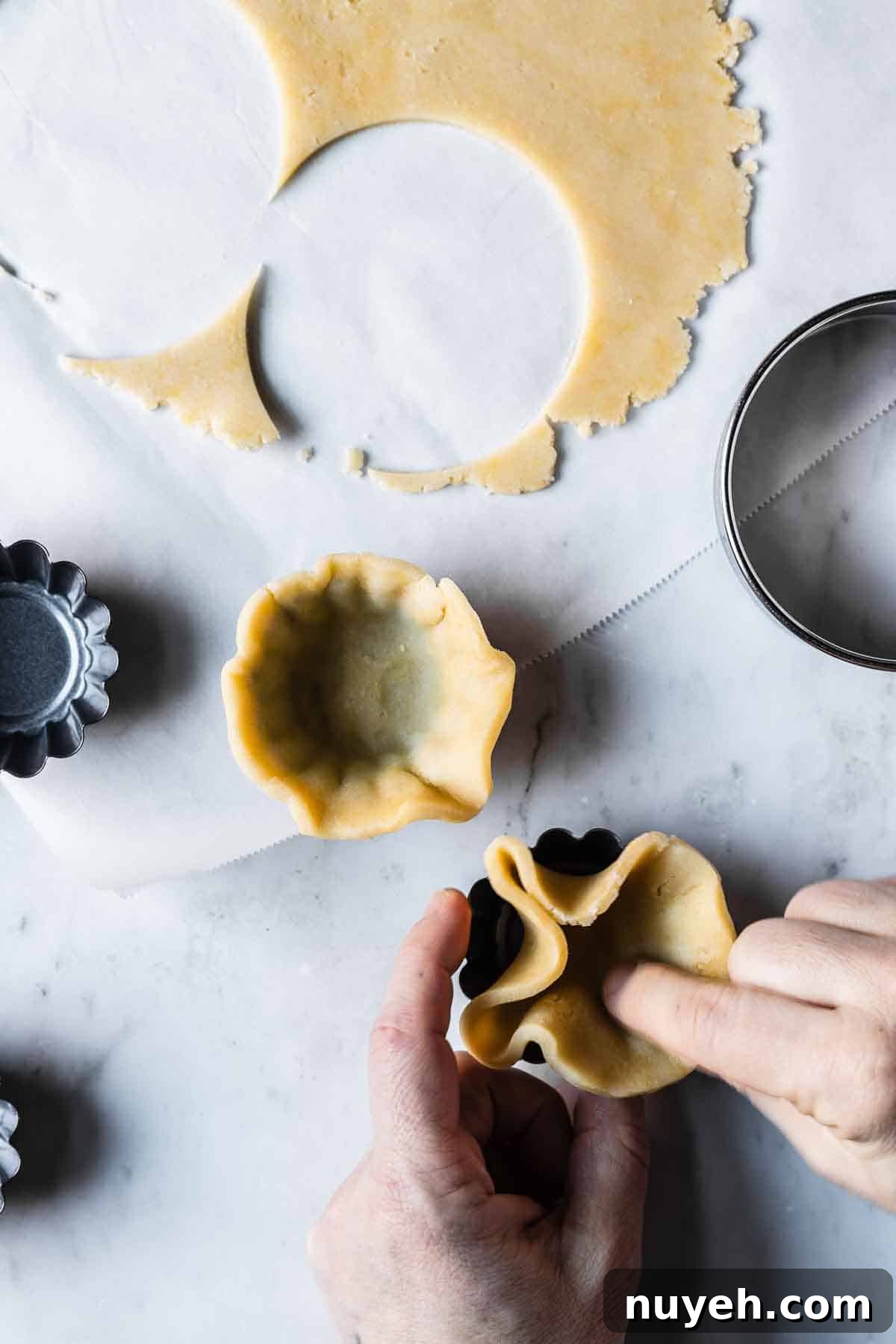
For 4-inch mini tarts, use a plate or bowl to cut circles; for 2.6-inch tartlets, use a small round cutter.
Par baking vs blind baking
Par baking: the crust is partially baked, then filled and baked again to finish. Blind baking: the crust is fully baked empty, cooled, and filled with no-bake fillings like pastry cream, ganache, or curd. This recipe includes times for both approaches so you can choose based on your filling.
Variations
This dough adapts easily to flavor additions. Consider how an add-in pairs with your filling:
- Citrus zest: Rub lemon, lime, or orange zest into the sugar before mixing.
- Herbs: Add 1/2 teaspoon finely chopped rosemary, thyme, or mint.
- Spices: Try 1/4 teaspoon cinnamon, ginger, cardamom, or nutmeg; increase cautiously.
- Seeds: 1 teaspoon poppy or sesame seeds add texture; poppy seeds pair well with lemon.
- Espresso: 1/2–1 teaspoon espresso powder whisked into the flour for a subtle coffee note.
- Chocolate: For a chocolate crust, use a chocolate pâte sucrée variation.
Equipment
A removable-base tart pan (9.5-inch) is convenient for larger tarts. Mini tart pans and tartlet pans are helpful for smaller portions. Pastry guides ensure an even rolled thickness, and a pie shield or foil strips protect edges from over-browning. Use a half-sheet baking pan beneath the tart to catch drips and prevent the oven floor from getting messy.
Storage
Store: Baked, unfilled pâte sucrée keeps in an airtight container at room temperature up to 2 days, or wrapped in the refrigerator up to 5 days.
Freeze unbaked: Follow the recipe through shaping and chilling, wrap tightly, and freeze in an airtight container 2–3 months. Bake from frozen.
Freeze baked: Wrap well and freeze up to 2–3 months. Thaw at room temperature on a rack before filling.
Frequently asked questions
No. This crust bakes well without weights. Make sure the dough is well chilled (at least 1 hour) before baking for best results.
Make a 1.5x batch and measure ingredients by weight for accuracy. Expect a longer bake time; begin checking at 25 minutes and add 5–10 minutes if needed, protecting the edges with foil if they brown too quickly.
More tart recipes
-
Banoffee Tart (Caramel Banana Tart)

-
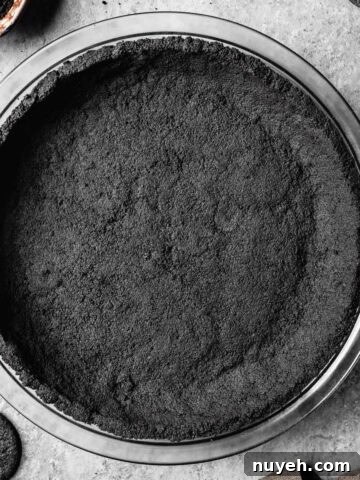
Chocolate Cookie Crust
-
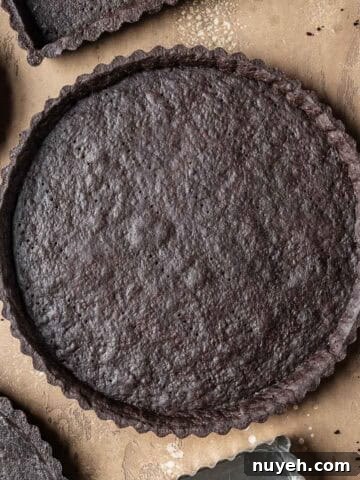
Pâte Sucrée au Chocolat (Chocolate Tart Dough)
-
Pâte Sucrée (Sweet Tart Dough)
Love this recipe? Please leave a comment and a star rating. Your feedback and adaptations help other bakers!
📖 Recipe
Pâte Sucrée (Sweet Tart Dough)
INGREDIENTS
PÂTE SUCRÉE (SWEET TART DOUGH)
- 113 grams unsalted butter, room temperature
- 50 grams granulated sugar
- 1/2 teaspoon kosher salt (Diamond Crystal)
- 120 grams all-purpose flour
- 1 large egg yolk
- 1 large egg white (for egg wash)
- 15 mL water (for egg wash)
INSTRUCTIONS
PÂTE SUCRÉE (SWEET TART DOUGH)
- In a stand mixer with the paddle attachment, beat the butter, sugar, and salt on medium speed until combined. Scrape the bowl.
- Add the flour and mix on low until coarse and grainy, about 1 minute. Scrape sides so all butter is incorporated; mixture should look sandy with small lumps.
- Add the egg yolk and mix 30–60 seconds. The dough should begin to pull together; it should hold when pinched between fingers.
- Turn the dough onto a large piece of parchment. Press into a disc and cover with another sheet of parchment.
- Roll the dough into an 11-inch circle about 1/4 inch (6 mm) thick. If the dough is sticky and warm, chill 5–10 minutes before continuing.
- Peel off the top parchment, use the bottom parchment to flip the dough into the tart pan, and gently press into the base and corners. Leave the excess overhanging.
- Move the untrimmed tart to a baking sheet and chill, uncovered, for at least 1 hour.
- Remove from the refrigerator and trim excess dough with a knife held parallel to the work surface for a clean edge.
- Dock the base with a fork and hold the fork flat to dock the sides in two horizontal rows. If using a perforated pan, docking may not be necessary.
- Place the tart shell in the freezer while preheating the oven to 350°F (177°C).
- Bake on a parchment-lined baking sheet: par bake 10–15 minutes (mini tarts shorter); blind bake 20–25 minutes for full-size tarts, until the crust looks dull and begins to pale gold. Remove and cool 3–5 minutes.
- Whisk the egg white with 15 mL water and brush the base and sides to seal. Return to the oven and bake an additional 5–15 minutes until golden. Protect edges with foil if needed.
- Remove from the oven and cool completely in the pan on a rack before filling.
EQUIPMENT
- 9.5-inch round tart pan with removable base (recommended)
- Round mini tart pans and tartlet pans for smaller sizes
- Pastry guides for even rolling
- Pie shield or foil strips to protect edges
- Half-sheet baking pan to catch drips
NOTES
Dough thickness: This recipe calls for 1/4 inch (6 mm) thickness for a sturdier shell. If you roll to 1/8 inch (3 mm), reduce baking time by at least 5 minutes.
Leftover scraps: Cut and bake scraps as small cookies to decorate or enjoy on their own—check for doneness around 10 minutes.
Egg white alternative: If you don’t have an egg white, skip the egg wash and brush a thin layer of melted chocolate onto the cooled crust to seal it for wet fillings.