Battle of the non-dairy milks: oat milk vs. coconut milk.
As a Registered Dietitian, a common question I hear is which plant-based milk is the better option. With more people choosing vegan or dairy-free diets, many are replacing cow’s milk with alternatives for coffee, cereal, smoothies, and cooking.
Oat milk and coconut milk are two popular choices. Both have clear advantages and distinct differences that can make one a better fit depending on your taste and nutrition goals.
Below I’ll explain what each milk is, how they compare nutritionally, the best ways to use them, and tips for choosing a healthier product at the store.
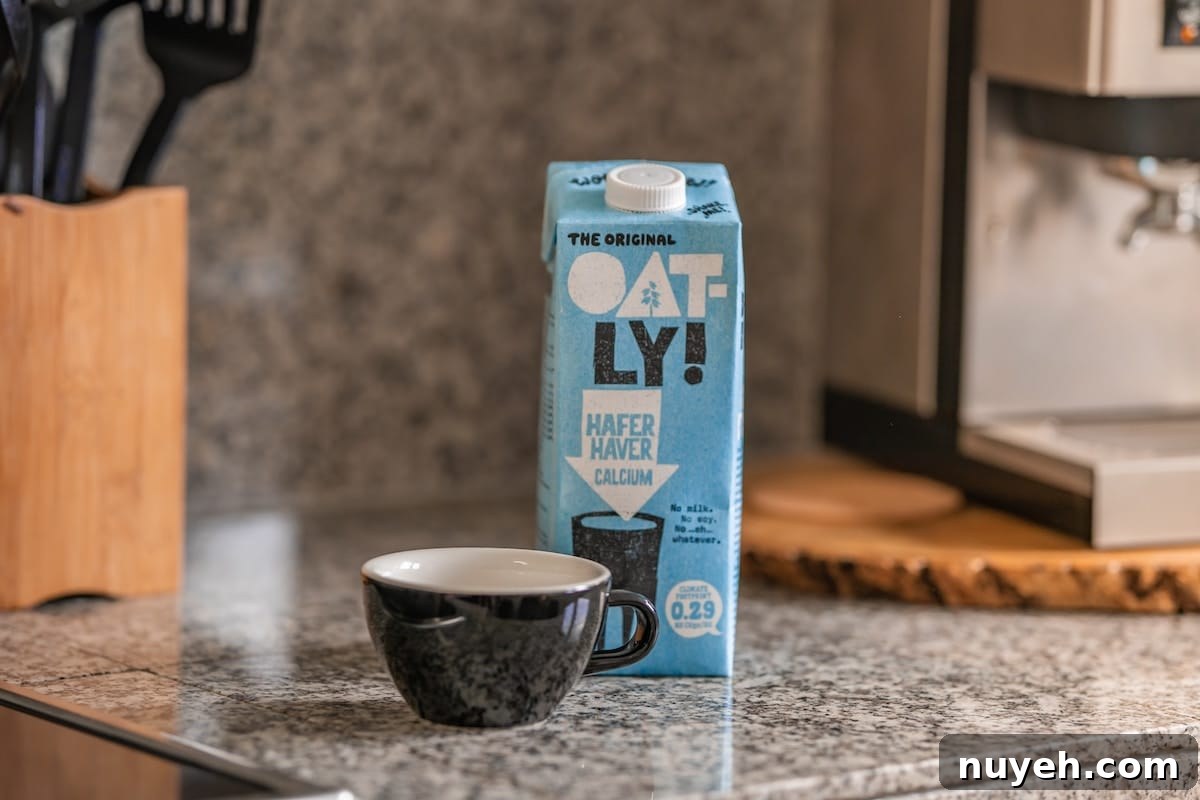
What is oat milk?
Oat milk is a plant-based beverage made by blending oats with water and then straining the mixture. Its creamy texture and mildly sweet, grain-forward flavor have made it a favorite for coffee and other drinks.
Oats naturally provide fiber and some minerals such as iron and magnesium. Commercial oat milks vary: many brands add emulsifiers and gums for texture and stability, and some versions include added sugars or flavorings. Choosing unsweetened or low-sugar varieties reduces extra carbohydrate and calorie load.
Commonly recognized oat milk brands are widely available in most supermarkets and come in both shelf-stable cartons and refrigerated versions.
Now let’s look at coconut milk.
What is coconut milk?
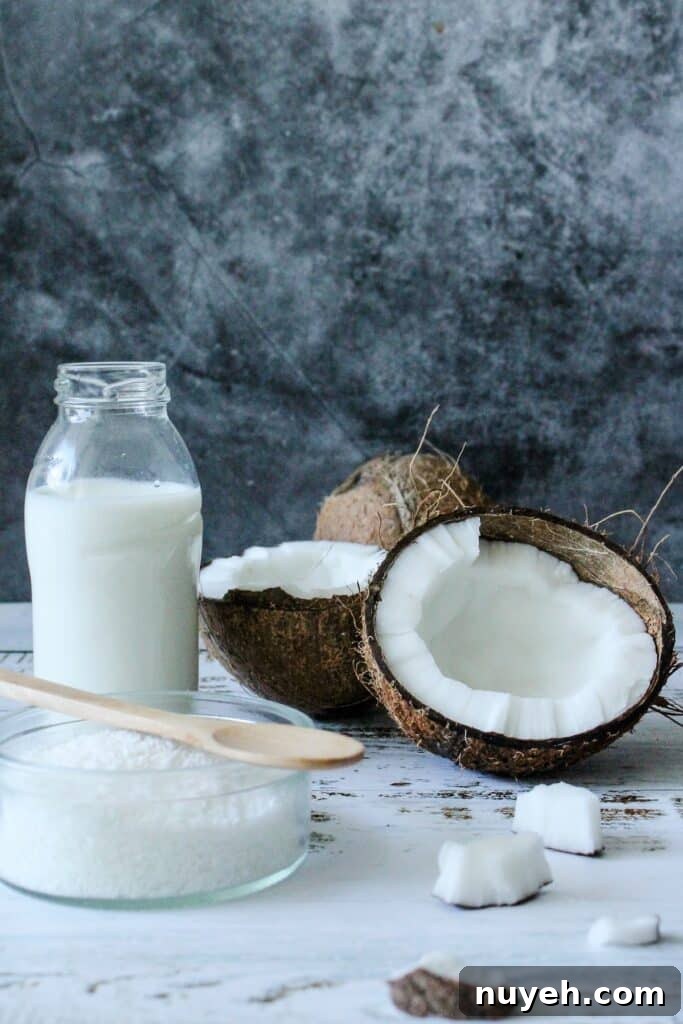
Coconut milk is produced from the grated flesh of mature coconuts combined with water, then strained. It has a rich, creamy mouthfeel and a subtle coconut flavor.
Coconut milk contains medium-chain triglycerides (MCTs), a type of fat that has been studied for potential metabolic effects. Carton coconut beverages are different from canned coconut milk: canned versions are thicker and far higher in fat and calories and are typically used for cooking and desserts.
Carton coconut milk is sold in many grocery stores, and like oat milk it is available in sweetened and unsweetened varieties as well as in fortified versions.
Nutritional Comparison
Both oat milk and carton coconut milk are plant-based milk alternatives, but their nutrient profiles differ. The table below shows a comparison based on one cup of two representative store brands.
| Oatly Full Fat Chilled Oatmilk | So Delicious Organic Original Coconut Milk | |
| Calories | 160 | 70 |
| Fat Saturated fat |
9 g 1 g |
4.5 g 4 g |
| Total carbs | 15 g | 9 g |
| Fiber | 2 g | 1 g |
| Added sugars | 7 g | 7 g |
| Protein | 3 g | 0 g |
| Vitamin D | 20% | 10% |
| Calcium | 25% | 10% |
| Vitamin B12 | 50% | 120% |
Nutritional differences
Nutrient amounts vary by brand and by whether a product is sweetened or fortified, but general patterns are consistent:
- Oat milk tends to be higher in carbohydrates and fiber and provides a small amount of protein compared with many other plant milks.
- Coconut milk in cartons is generally lower in calories and carbohydrates but higher in saturated fat and typically contains little to no protein.
- Most commercial plant milks are fortified with vitamin D, calcium, and B12 to better match key nutrients found in cow’s milk; fortification levels differ by product.
If you rely on plant-based milks as a daily beverage, choosing a fortified product can help you meet nutrient needs often supplied by dairy milk.
Keep an eye on added sugar
Read ingredient lists and nutrition labels. The primary ingredients should be oats or coconut and water. Many commercial varieties include added sugars, flavorings, or thickeners, which increase calories without adding nutrients.
If you frequently order coffee drinks made with flavored syrups and sweetened milks, be mindful that those drinks can add a significant amount of sugar to your day.
Best uses for coconut milk
Coconut milk’s richness and subtle tropical flavor make it ideal for smoothies, creamy soups, curries, dairy-free ice cream, and many baked or savory recipes. It works especially well in dishes where a thicker, creamier texture is desired or where a mild coconut taste complements the other ingredients.
Best uses for oat milk
Oat milk is highly versatile. Its creamy texture and natural sweetness perform well in coffee drinks (lattes, iced coffees), cereal, overnight oats, chia puddings, milkshakes, and many baking applications. It foams reasonably well for barista-style beverages and blends smoothly into both sweet and savory recipes.
Where to buy?
Both oat and coconut milks are widely available at supermarkets, health food stores, and many online retailers. You’ll find shelf-stable cartons in the grocery aisle and refrigerated options near other milk alternatives. Unopened shelf-stable cartons keep a long time in the pantry; once opened, refrigerate and use within the time indicated on the package, typically about 7 days.
Pros and cons of coconut milk vs oat milk
Here are concise pros and cons to help you decide based on taste and nutrition:
Oat milk
Pros:
- Higher in fiber
- Creamy texture that suits coffee and many recipes
- Contains some protein compared with other plant milks
Cons:
- Often higher in carbohydrates
- Some varieties contain added sugars or thickeners
Coconut milk
Pros:
- Rich, creamy texture with a subtle coconut flavor
- Lower in calories in many carton varieties
- Contains medium-chain fatty acids
Cons:
- Higher in saturated fat
- Usually contains little to no protein
A botanical note: coconuts are not true tree nuts; botanically they are a fruit. People with tree nut allergies do not always react to coconut, but individuals should consult an allergist if they have concerns.

How do they compare to regular dairy?
Neither oat nor coconut milk perfectly matches cow’s milk nutritionally. Dairy milk provides complete protein and naturally occurring calcium and vitamin D when fortified. Many plant-based milks are lower in protein and rely on fortification for minerals and vitamins. If you switch to plant-based milks, make sure your overall diet includes adequate protein and vitamin D from other sources or fortified foods.
Other dairy-free options
If you want a dairy-free milk with more protein, consider soy, pea, or hemp milk. Almond and cashew milks offer a nuttier flavor but generally are lower in protein.
Conclusion
Which milk is better depends on your taste preferences and nutritional priorities. Oat milk is a creamy, fiber-containing choice that pairs well with coffee and cereal. Carton coconut milk offers a rich texture and lower calories in many brands but is higher in saturated fat and lacks protein. Choose unsweetened, fortified varieties when possible, and check labels for added sugars and fortification of vitamin D, calcium, and B12.
Which non-dairy milk do you prefer? Share your favorite and how you use it.
More nutrition articles you’ll enjoy:
Allulose vs. Monk Fruit: Which Sweetener is Better?
Fairlife vs Premier Protein: Which Shakes are Best?
Collagen vs. Protein Powder: Which is Best for You?
Pumpkin Seeds vs. Sunflower Seeds: Which One Is Healthier?
Best Liquids for Smoothies (A Dietitian’s Guide)