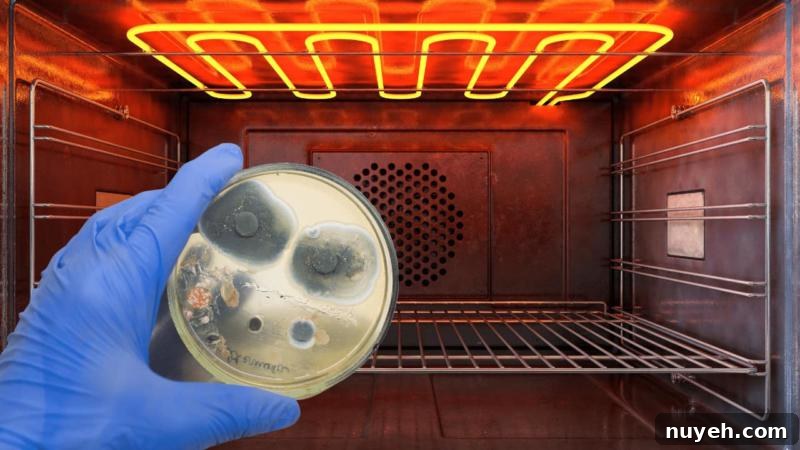
Moldy Food Left in Oven.
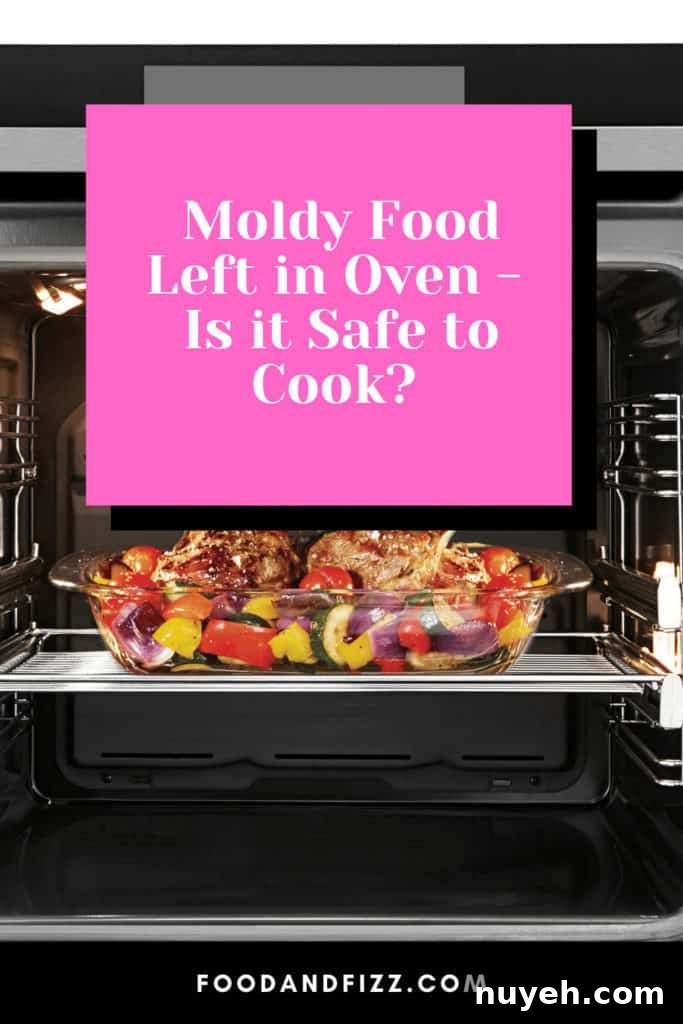
I’m sure you’ve experienced it: you pop a lasagne in the oven to cool, plan to transfer it to the fridge later, then leave for the weekend. When you come back, the dish has sprouted mold. Do you scrape off the top and reheat it, or do you throw it away?
I faced the same dilemma and, worried about safety, called my aunt who teaches high school science. While I ended up making a fresh meal, I learned enough to change how I store and handle leftovers.
Table of Contents
Moldy Food Left in Oven, Safe to Cook?
No. It is not safe to cook in an oven that contained moldy food without cleaning it first. Heating visible mold does not guarantee the removal of hidden spores or the toxins some molds produce, such as aflatoxins, which can resist typical cooking temperatures. Before you cook in that oven again, clean it thoroughly.
The Truth About Moldy Food
Mold spores are everywhere—in the air, on surfaces and on produce. They only need the right conditions to grow: food that provides moisture and nutrients, plus suitable temperature. A lasagne left to cool in an oven can become a perfect breeding ground.
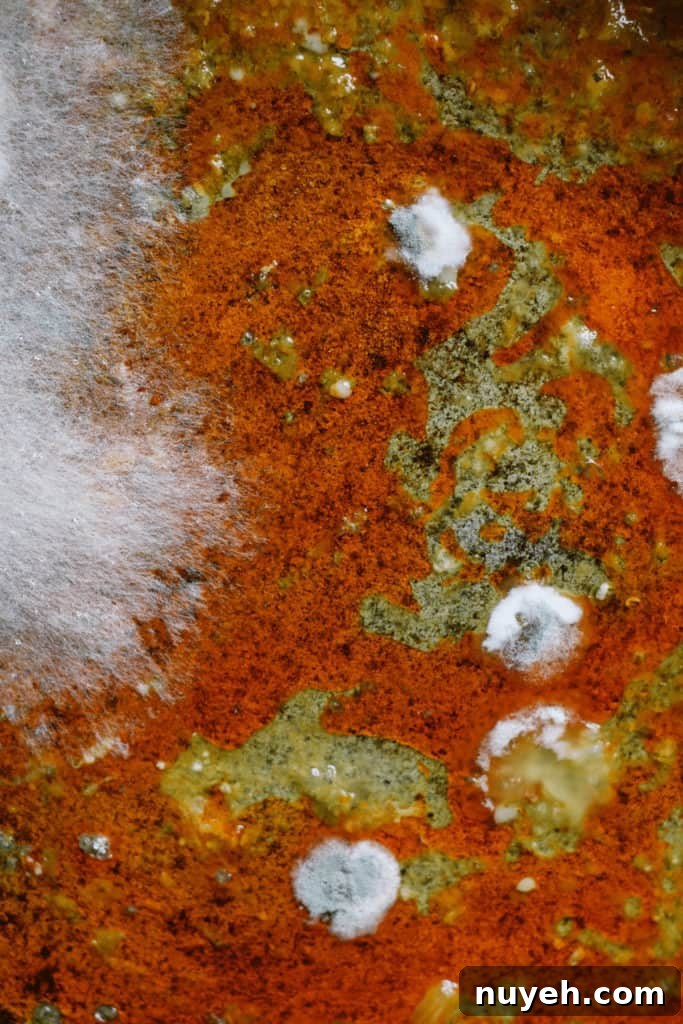
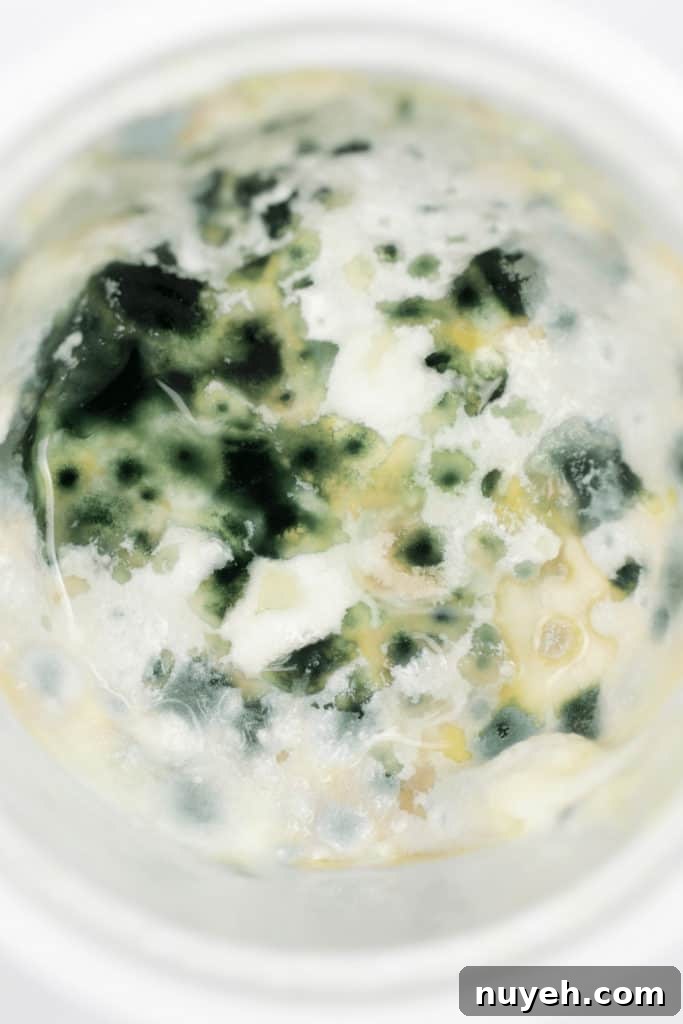
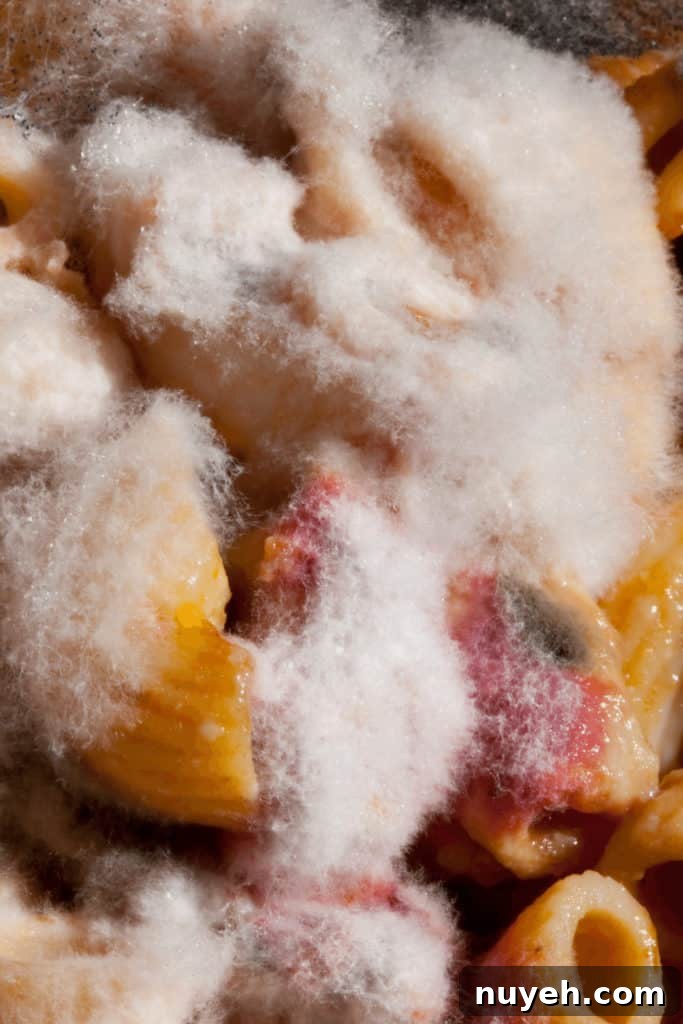
Mold grows as a network of hyphae—microscopic root-like strands that penetrate the food. That means visible mold is only the tip of the problem. Beneath the fuzzy surface, the organism can extend throughout the dish. Simply scraping off the top layer will not remove every spore or the microscopic threads that feed the colony.
For this reason, food showing any visible mold is best discarded rather than salvaged.
Heating Moldy Food: Risks and Reasons
Many people assume that cooking will kill mold and make food safe again. While high heat can destroy some mold spores and visible mycelium, it may not neutralize mycotoxins—chemicals produced by certain molds. Some mycotoxins can survive typical cooking temperatures and remain in the food.
For healthy adults a single accidental bite of slightly moldy food may only cause mild digestive discomfort, but for people with allergies, asthma, weakened immune systems, or other sensitivities, exposure can trigger serious reactions, including respiratory distress or severe allergic responses.
Certain mycotoxins are associated with more serious long-term health risks, and some have been classified as potentially carcinogenic. Because mycotoxins are invisible and can spread beyond the visibly affected area, reheating or removing the top layer of mold is not a reliable way to decontaminate food.
How to Keep Food Mold-Free Overnight
After talking with my aunt, I changed how I store prepared food. These practical steps help reduce mold growth and keep leftovers safe to reheat later:
- Keep food cold. Refrigeration slows mold growth. If you plan to serve a dish the next day, cool it quickly and refrigerate instead of leaving it in the oven or on the counter.
- Store airtight. Mold needs oxygen to thrive. Wrapping dishes tightly in foil, plastic wrap, or storing them in sealed containers reduces exposure and slows development.
- Wash ingredients. Rinse fresh produce and other ingredients before cooking to lower the initial spore load in the finished dish.
- Reheat properly. When reheating refrigerated food, bring it to a safe internal temperature throughout. Note that reheating does not remove mycotoxins.
- Clean appliances. If food molds inside an oven, remove all debris and clean the interior to prevent spores from contaminating future dishes.
Frequently Asked Questions About Moldy Food Left in Oven
Can mold be killed by cooking?
Cooking can destroy the visible mold and many spores, but it does not necessarily eliminate mycotoxins that some molds produce. These toxins can be heat resistant and may persist even after reheating, so cooking is not a reliable way to make moldy food safe.
Will food mold hurt you?
By the time mold is visible, the organism has often produced toxins. Eating moldy food can cause gastrointestinal symptoms such as vomiting or diarrhea and, in sensitive individuals, allergic reactions or respiratory issues. When in doubt, discard the food.
What temperature kills mold?
Many mold spores are killed at temperatures above roughly 140–160°F (60–71°C), but some spores and mycotoxins withstand higher temperatures. Because of this variability, relying on heat alone to address mold contamination is risky.
Conclusion About Moldy Food Left in Oven
In my case, I threw the lasagne away rather than risk my family’s health. Visible mold means the food is compromised; mold threads and spores can extend beyond what you see, and reheating won’t reliably remove dangerous mycotoxins. When food is visibly moldy, the safest option is to discard it.
To avoid this problem, store prepared dishes properly: cool them promptly, seal them in airtight containers or wrap them tightly, refrigerate, and wash fresh ingredients before cooking. If mold appears inside an oven or on kitchen equipment, clean the appliance thoroughly before using it again.