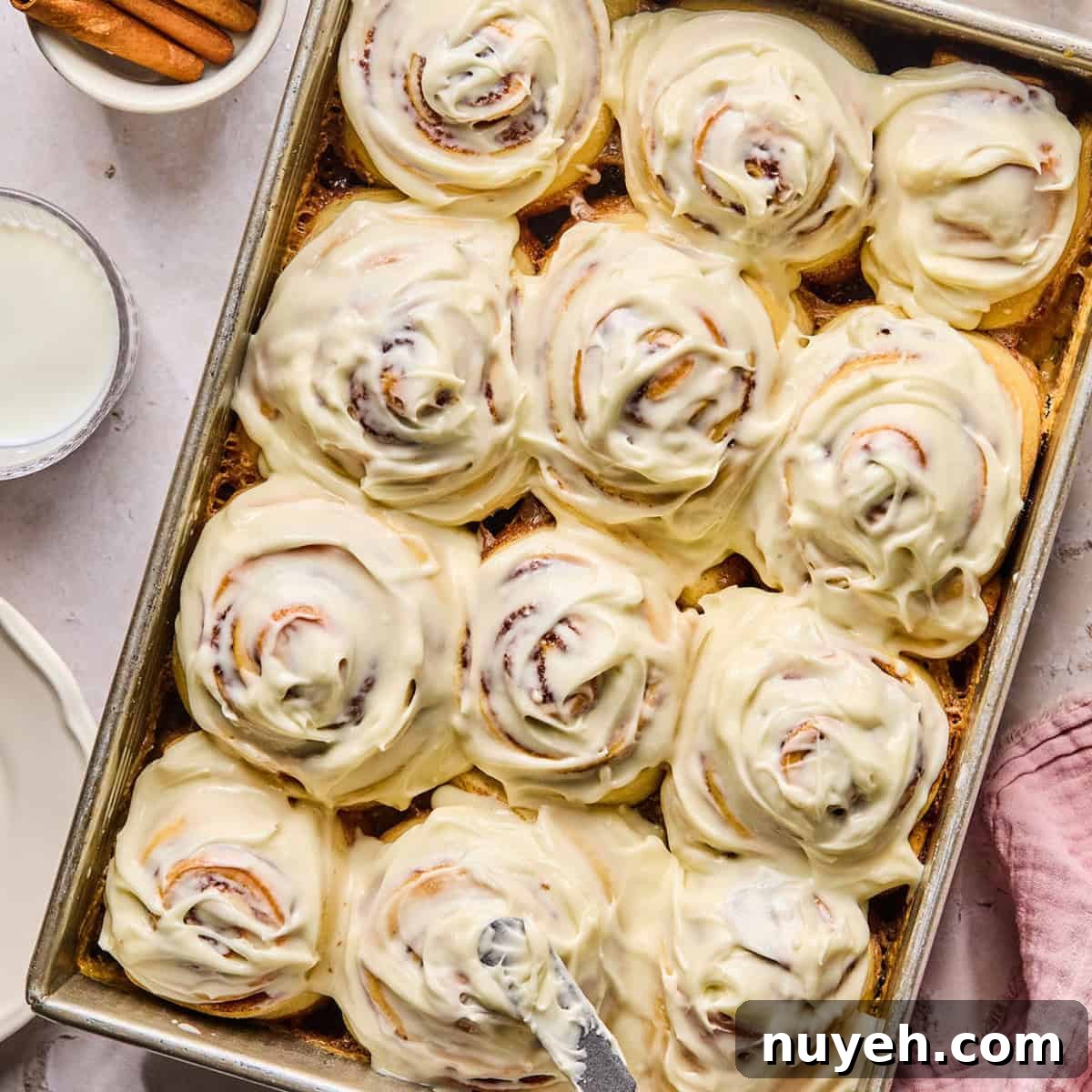
Why These Cinnamon Rolls Are So Soft
These cinnamon rolls stay unusually soft because the dough is formulated differently than most recipes. Instead of depending on butter alone, this version combines ingredients and techniques that lock in moisture and create a tender crumb:
- Honey to retain moisture: Honey is hygroscopic, so it attracts and holds water. That helps the rolls stay soft even the next day.
- Greek yogurt for a tender crumb: Yogurt gently relaxes gluten and adds moisture, producing a plush, tender texture rather than a tough, bready one.
- Bread flour for structure and height: The higher protein in bread flour builds strength in the dough so the rolls rise taller and form soft, pull-apart layers.
- A warm cream soak poured around the rolls just before baking melts into the layers and creates a custardy, gooey interior.
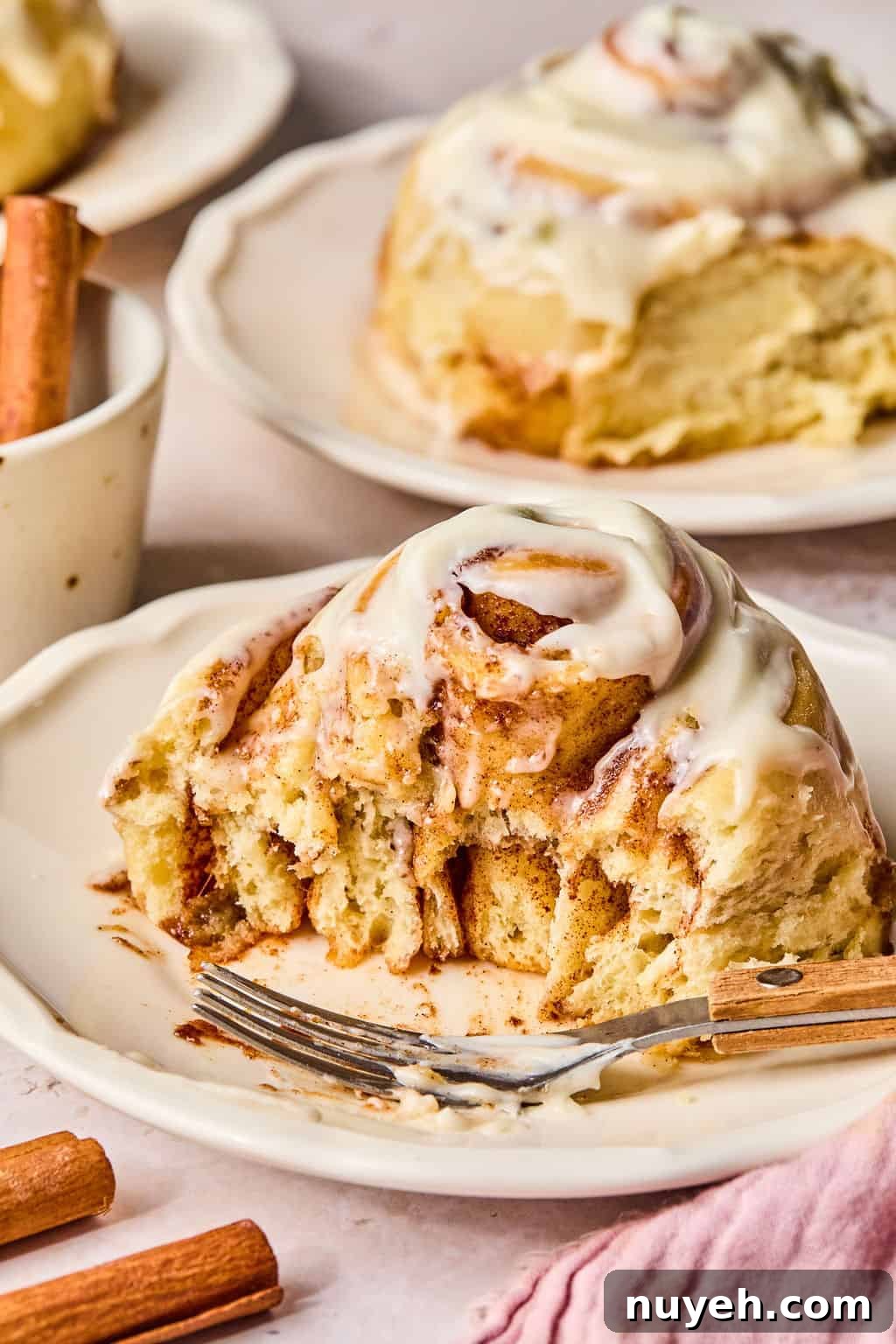
The result is tall, pillowy cinnamon rolls that remain soft after cooling—not just fresh-from-the-oven soft but still tender the next day.
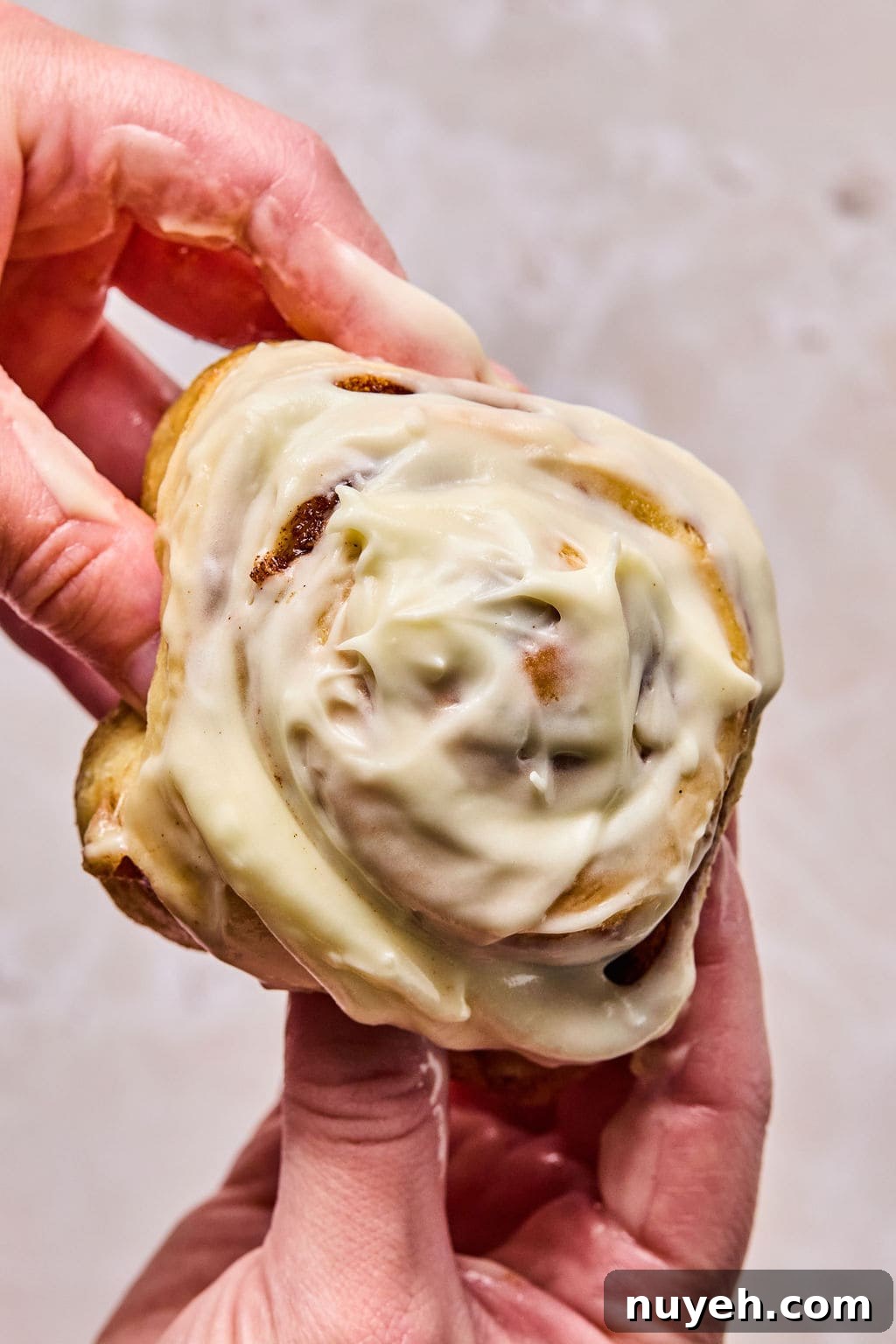
What Makes Cinnamon Rolls Pillowy (Not Bready)
Pillowy cinnamon rolls depend on an even, fine air structure in the dough. Bready rolls have a few large air pockets; pillowy rolls have thousands of small, even bubbles. That texture comes from controlling the rises so the yeast preserves energy for the second rise after shaping.
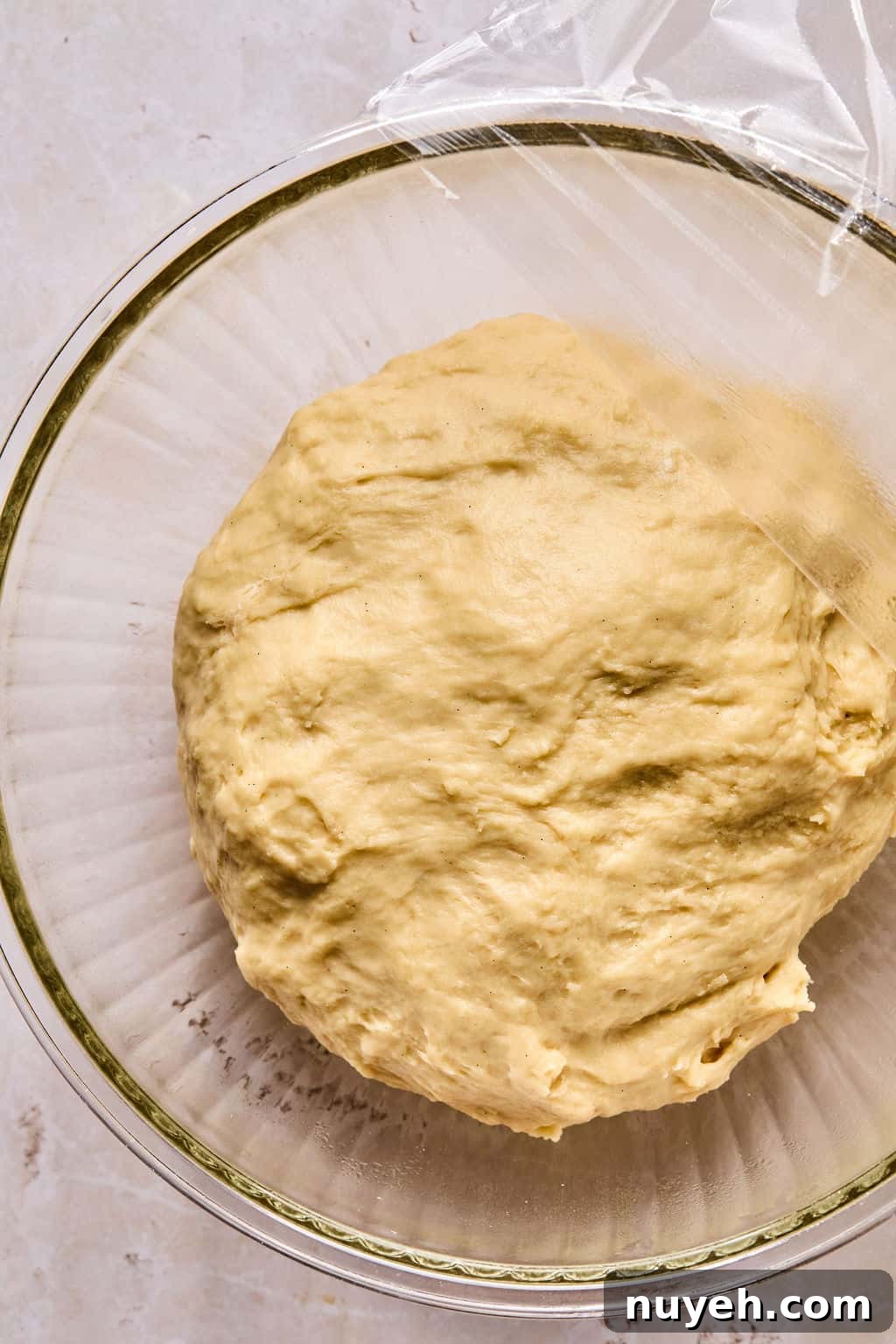
Letting the dough become puffy but not fully doubled on the first rise is intentional: the yeast remains active and produces the gentle lift needed during the second rise to form soft, layered spirals.
The One Step That Changes Everything
Adding butter at the right time is the key. Knead and develop the dough first, then incorporate the softened butter slowly at the end. Building the gluten structure before enriching the dough creates rolls that are both tall and very tender.
How to Tell If Your Dough Is Right
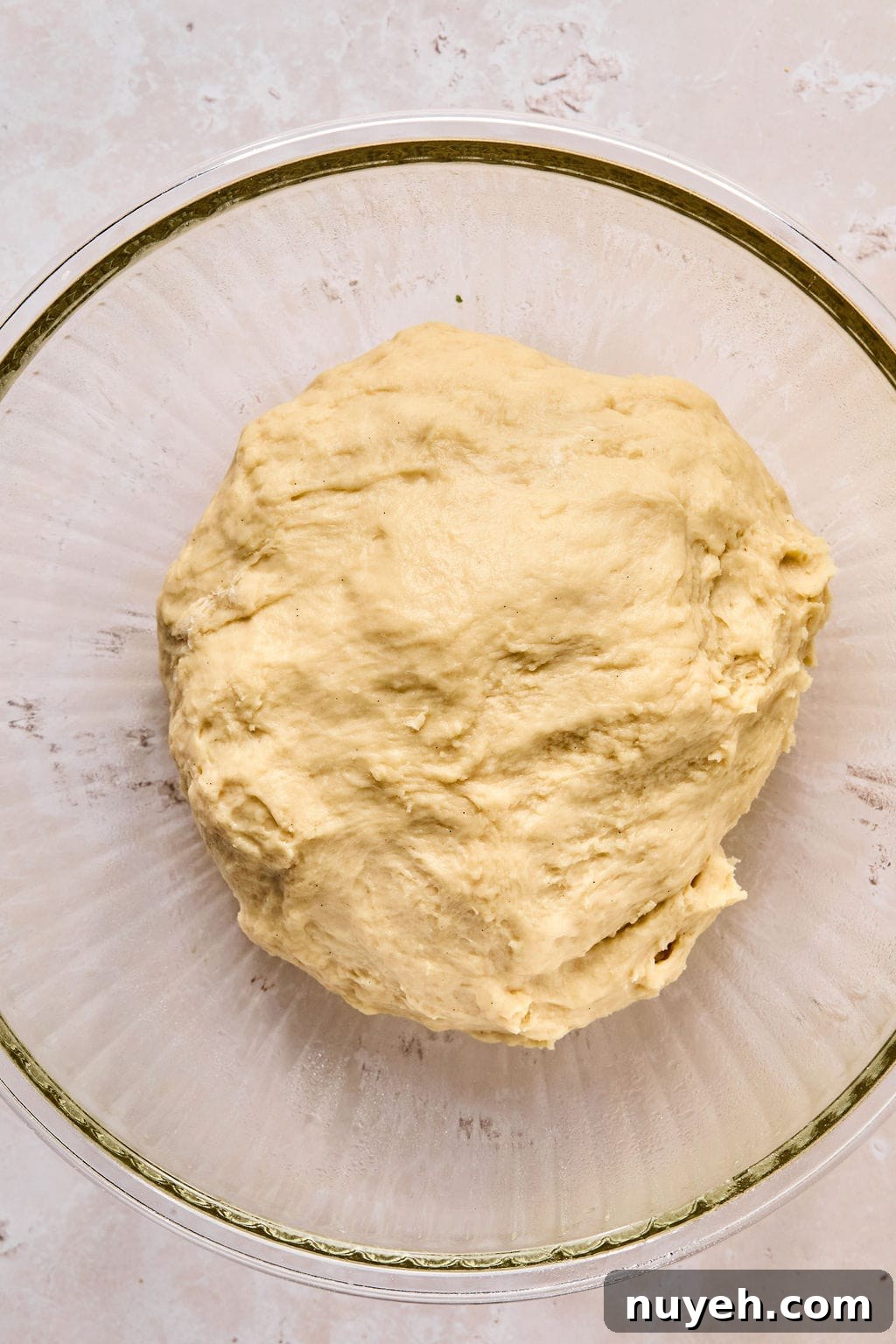
The dough should feel soft, smooth, and slightly tacky. It will stick a little to the bottom of the bowl but not cling to your hands. After the first rise it should be:
- visibly puffy,
- slightly domed,
- and spring back slowly when pressed.
Do not let it fully double on the first rise. Stopping early preserves yeast activity for the second rise and yields a lighter, layered crumb.
My Trick for Proofing Cinnamon Rolls
If your kitchen is cool or you want consistent results, preheat your oven briefly to its lowest setting, then turn it off and crack the door. Place the covered dough or shaped rolls inside this slightly warm environment. It creates a gentle, even rise without overheating the dough.
Don’t Skip the Heavy Cream
Pour warm heavy cream around the rolls just before baking—around and between them, not over the tops. During baking the cream soaks into the layers and gives a soft, almost custardy center that creates that classic bakery-style gooeyness without sogginess.
How to Get Tall Cinnamon Rolls
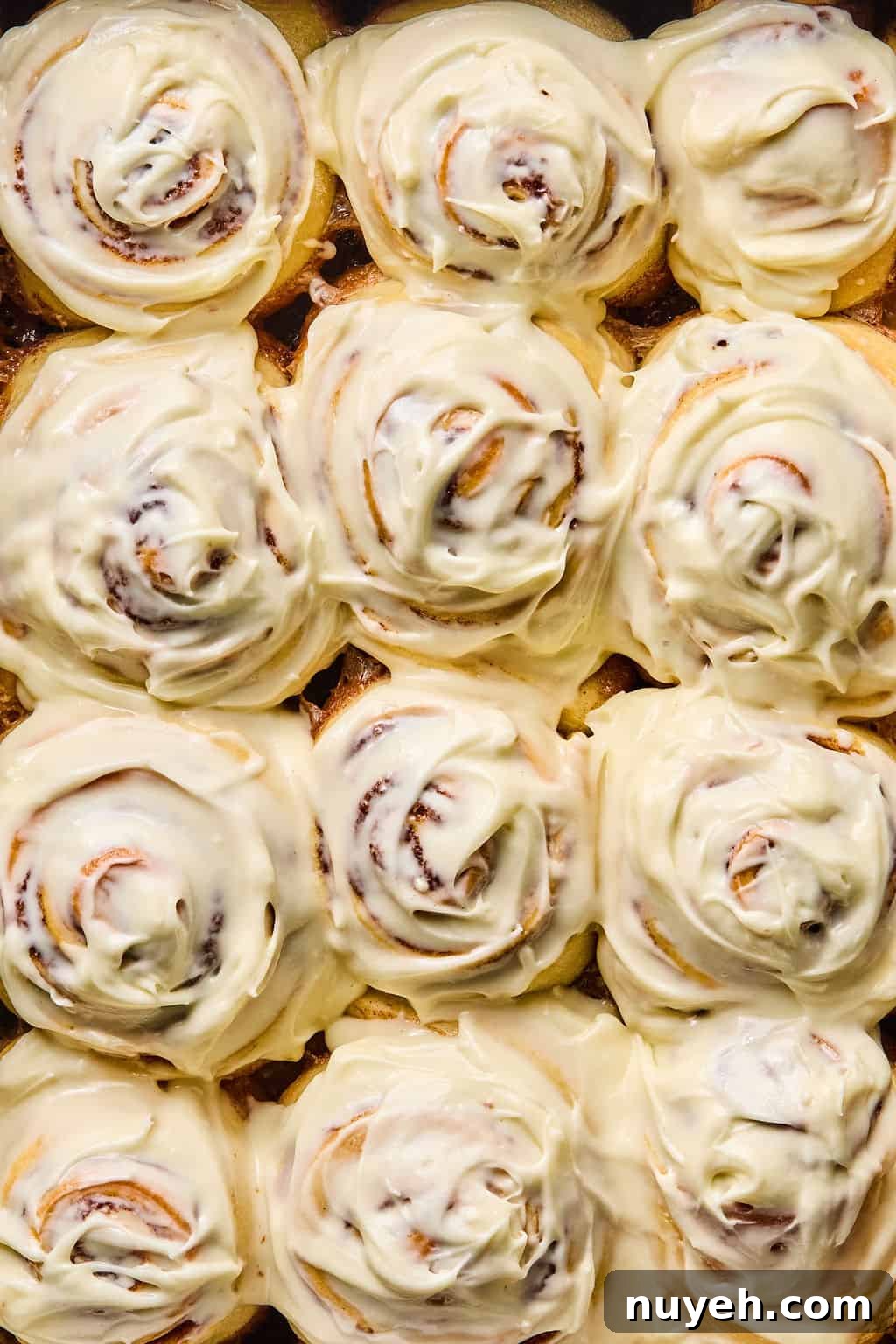
Roll tightly and cut into strips before rolling each one individually. Rolling and shaping each strip tightly prevents the centers from unraveling and yields tall, even spirals with consistent layers.
Things I Definitely Would NOT Do
Small mistakes can quietly ruin a batch of cinnamon rolls. Avoid these common pitfalls:
- Do not use cold ingredients: Cold eggs or yogurt slow yeast activity and make the dough harder to mix. Use room temperature ingredients for an even rise.
- Do not let the dough fully double on the first rise: Stop when puffy so the second rise creates the soft, layered texture.
- Do not add excess flour: The dough should be slightly tacky. Adding too much flour makes dense, dry rolls.
- Do not overbake: Remove when tops are lightly golden and the centers are just set. Aim for an internal temperature around 185–190°F.
- Do not rush the second rise: The second proof is where the final texture develops; let the rolls become noticeably puffy before baking.
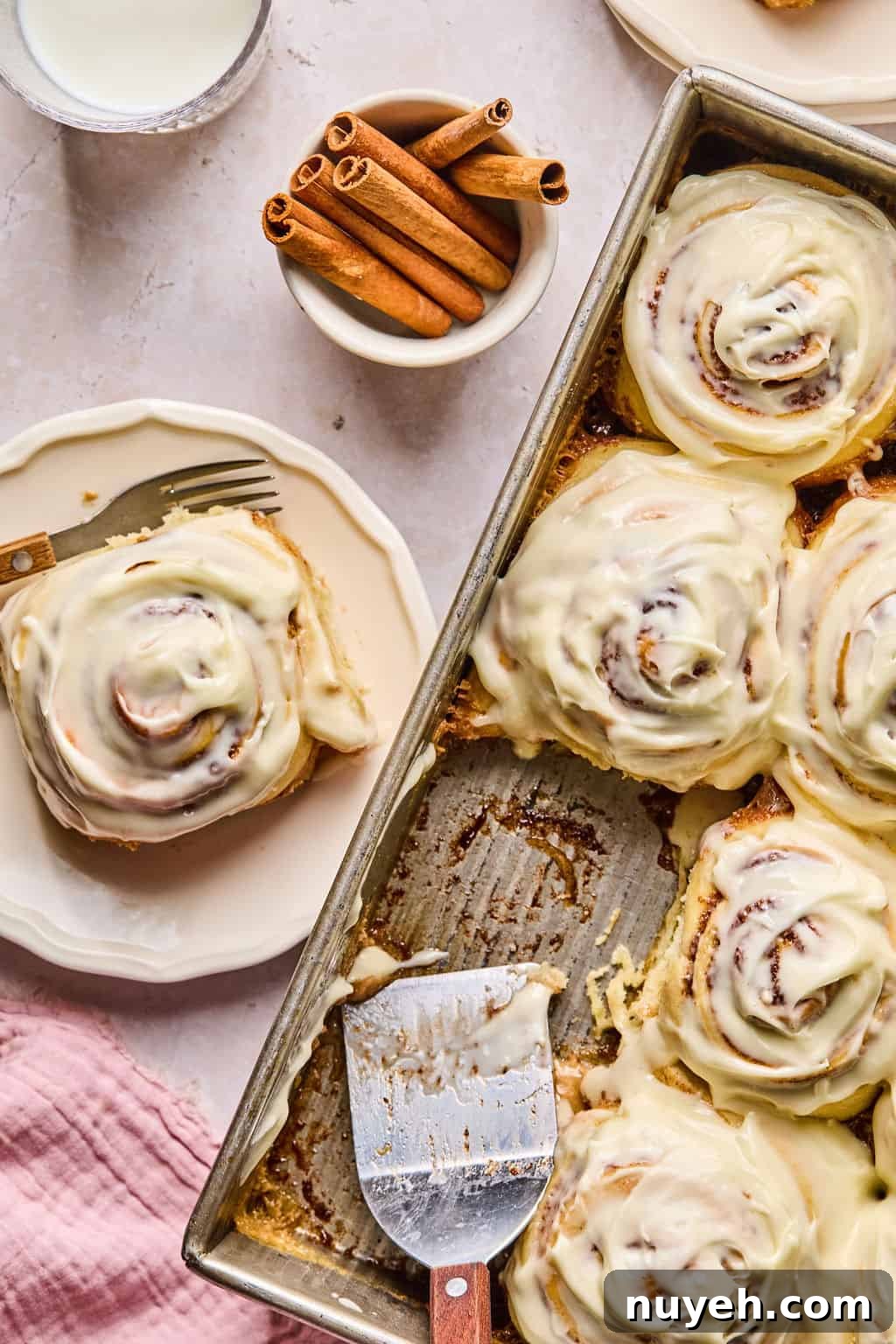
How to Keep Cinnamon Rolls Soft Overnight
Two things matter most: don’t overbake and store them covered. Because the dough contains honey and dairy, these rolls stay soft for up to two days at room temperature when kept in a covered container. For longer storage, refrigerate. Reheating briefly in the oven or microwave brings back the gooey texture.
Make Ahead Instructions
After shaping, cover the pan tightly and refrigerate overnight. In the morning let the rolls sit at room temperature for 45–60 minutes until puffy, pour the warmed cream around them, then bake. This method is great for holidays or busy mornings.
Step-by-Step Instructions (With Photos)
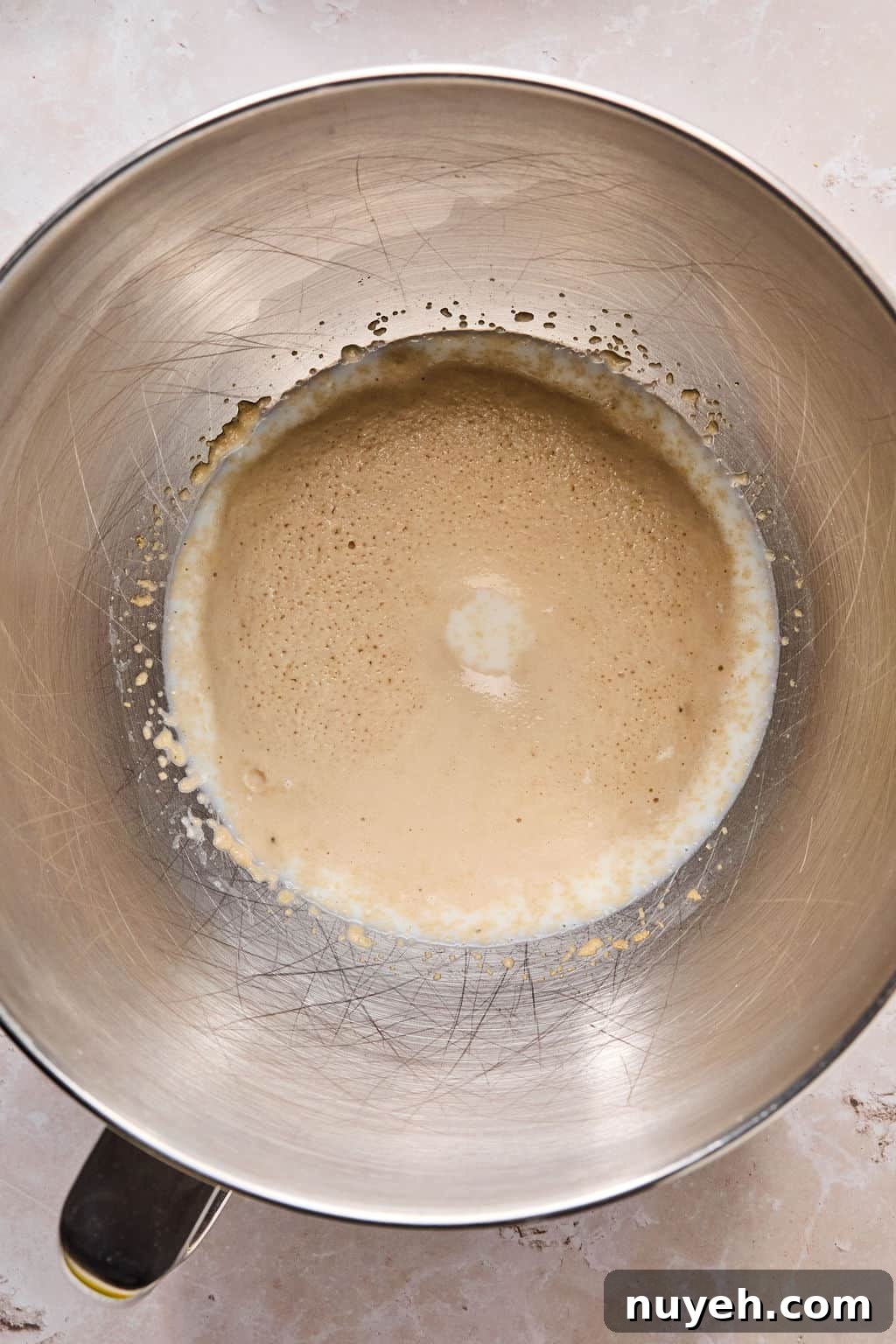
Step 1 — Activate the yeast: Warm the milk to 110–113°F, whisk in the yeast and a tablespoon of sugar, and let sit until foamy (about 5 minutes).
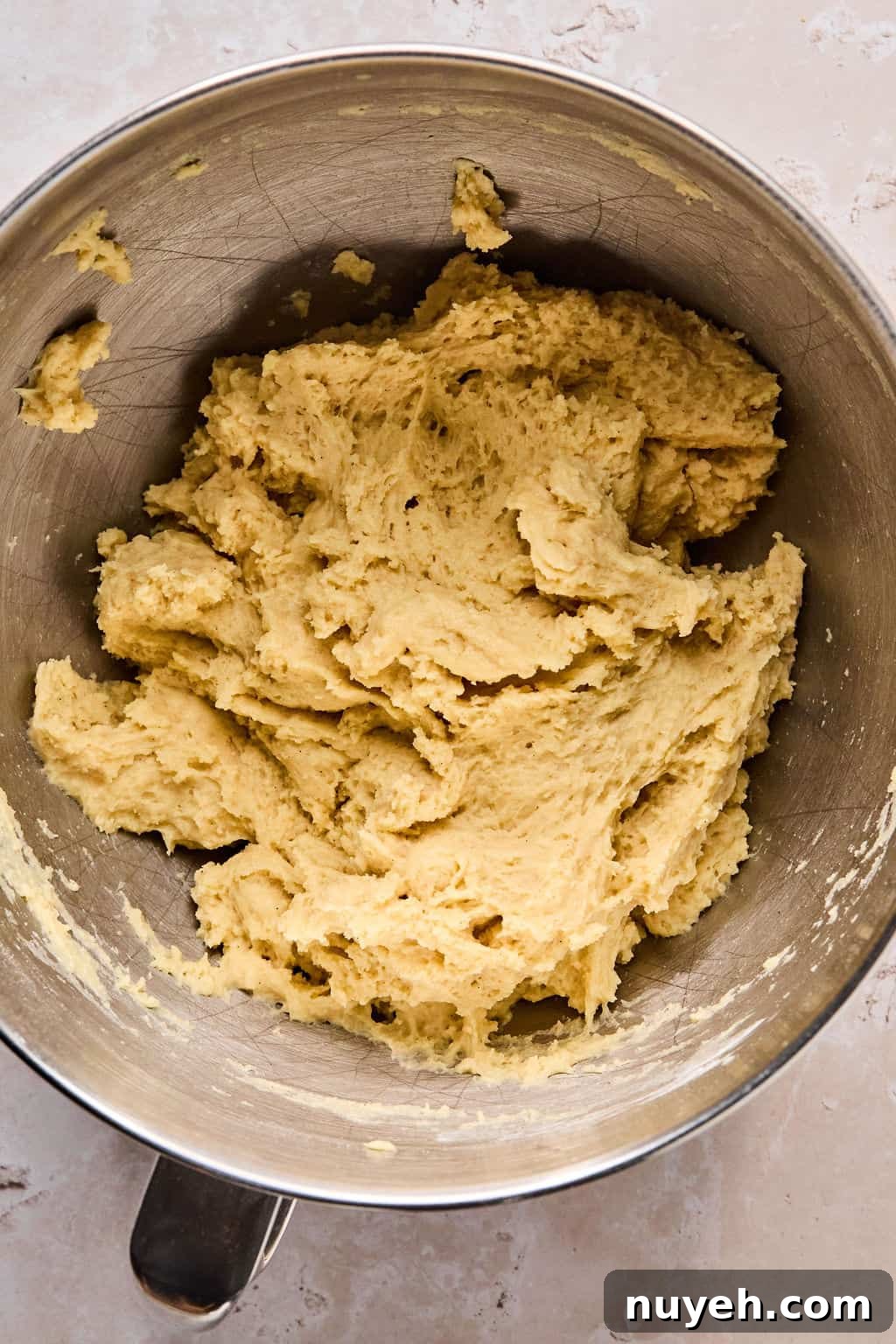
Step 2 — Mix the dough: Add honey, remaining sugar, yogurt, eggs, and vanilla. Mix, then add flour and salt until a shaggy dough forms. Rest 10 minutes.
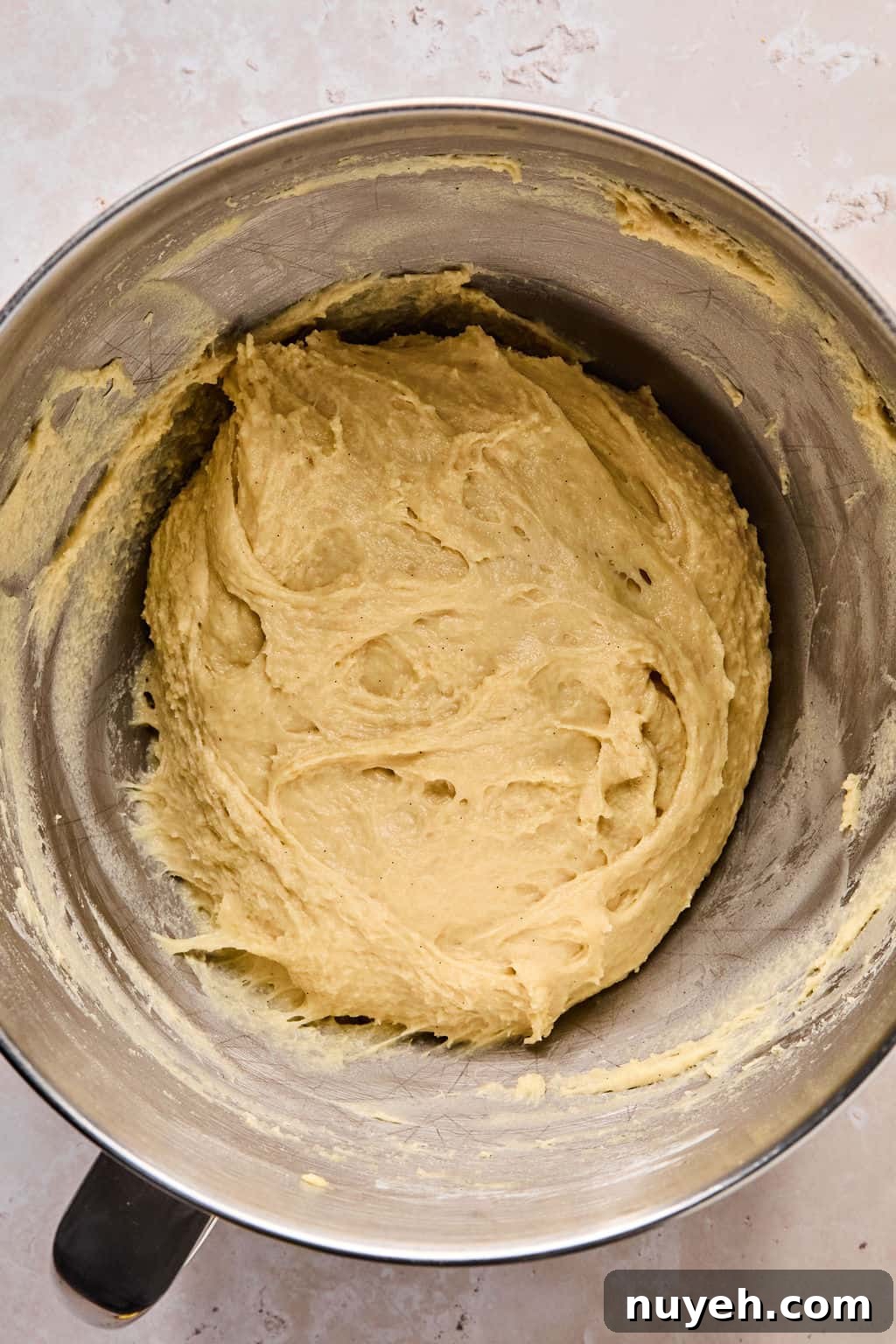
Step 3 — Knead: Switch to the dough hook and knead until smooth and elastic.
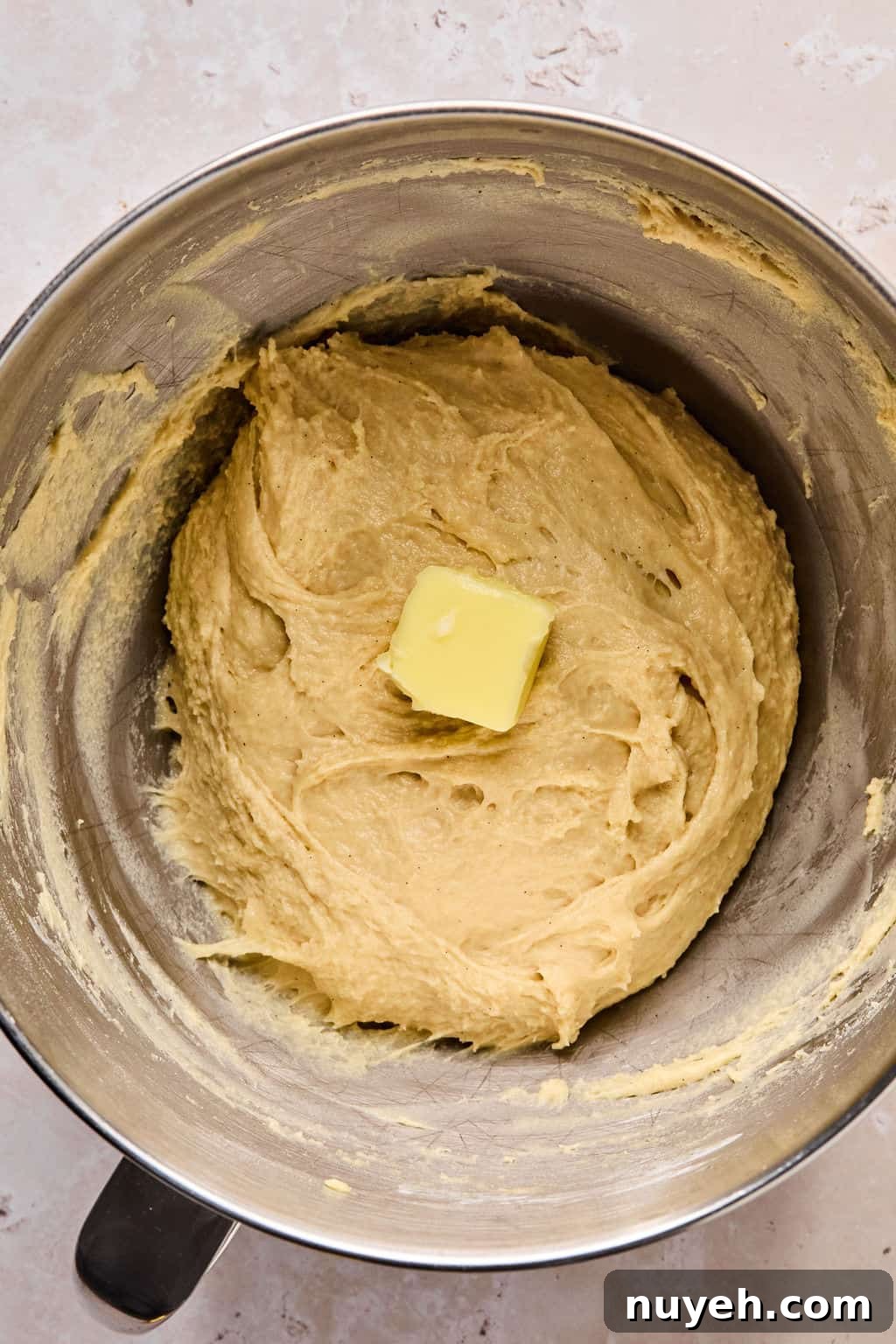
Step 4 — Add butter: Add softened butter one tablespoon at a time until fully incorporated and the dough becomes soft and stretchy.
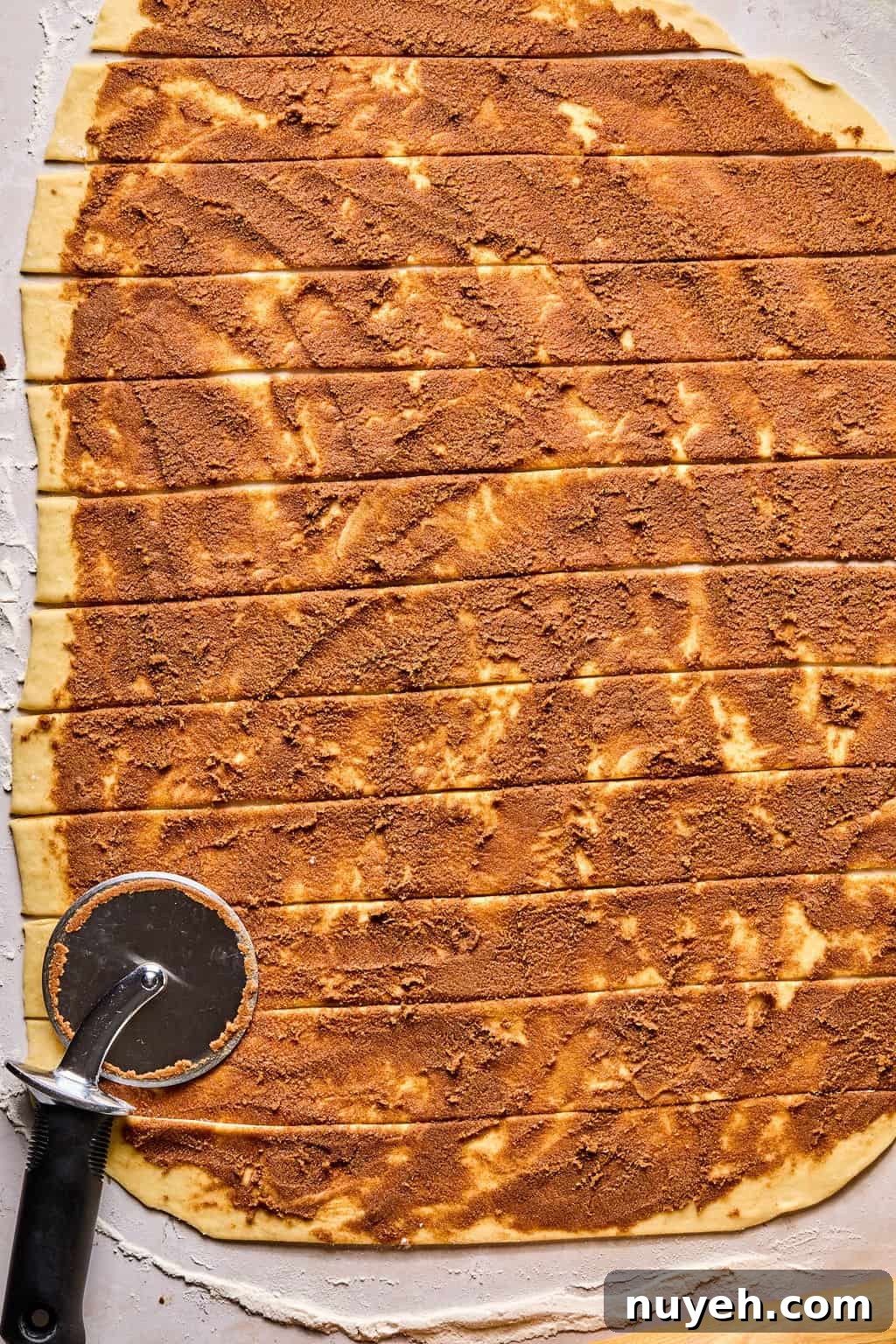
Step 5 — Fill and shape: Roll dough into a rectangle, spread the cinnamon filling evenly, cut into strips, roll each strip tightly into spirals, and arrange in a greased pan.
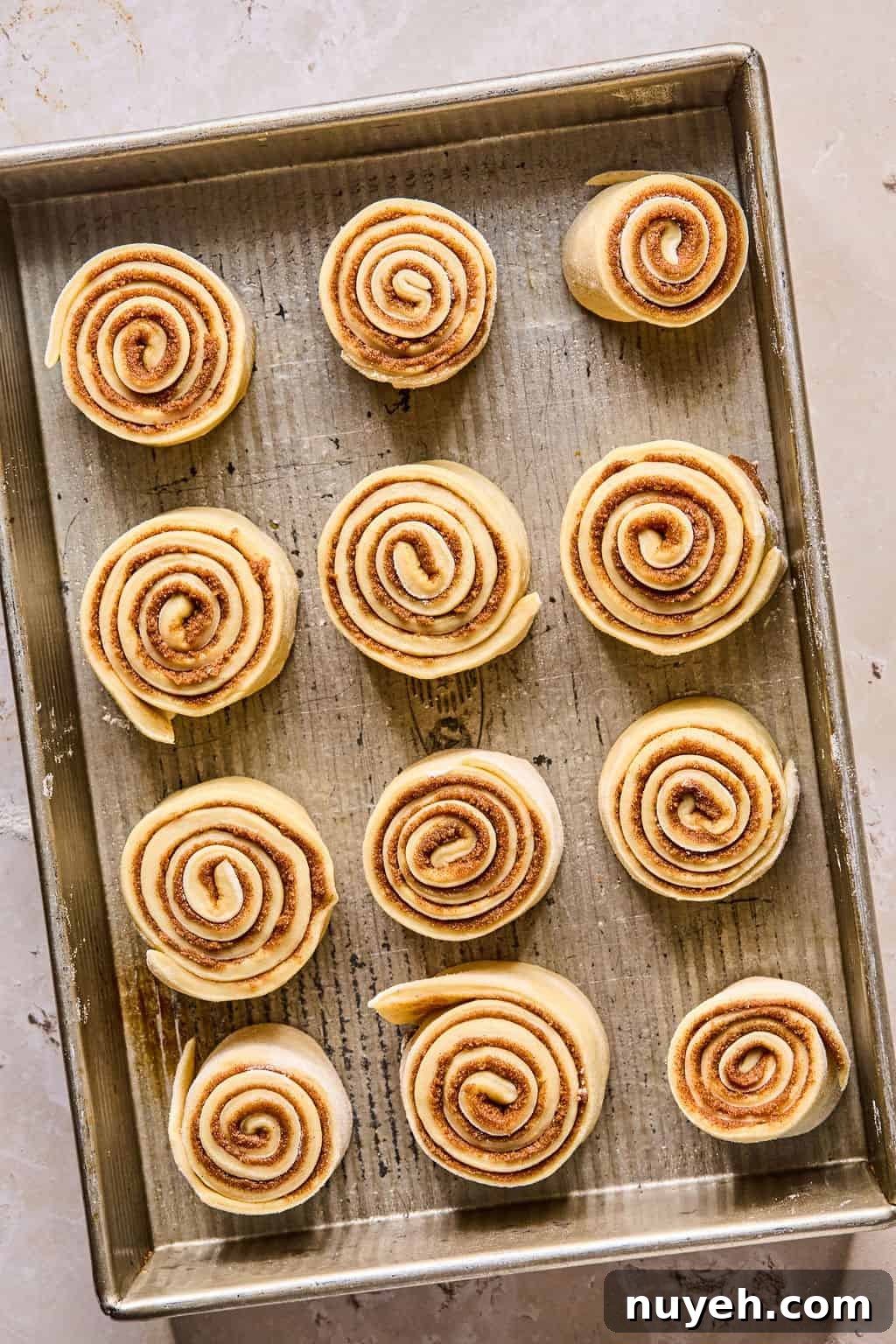
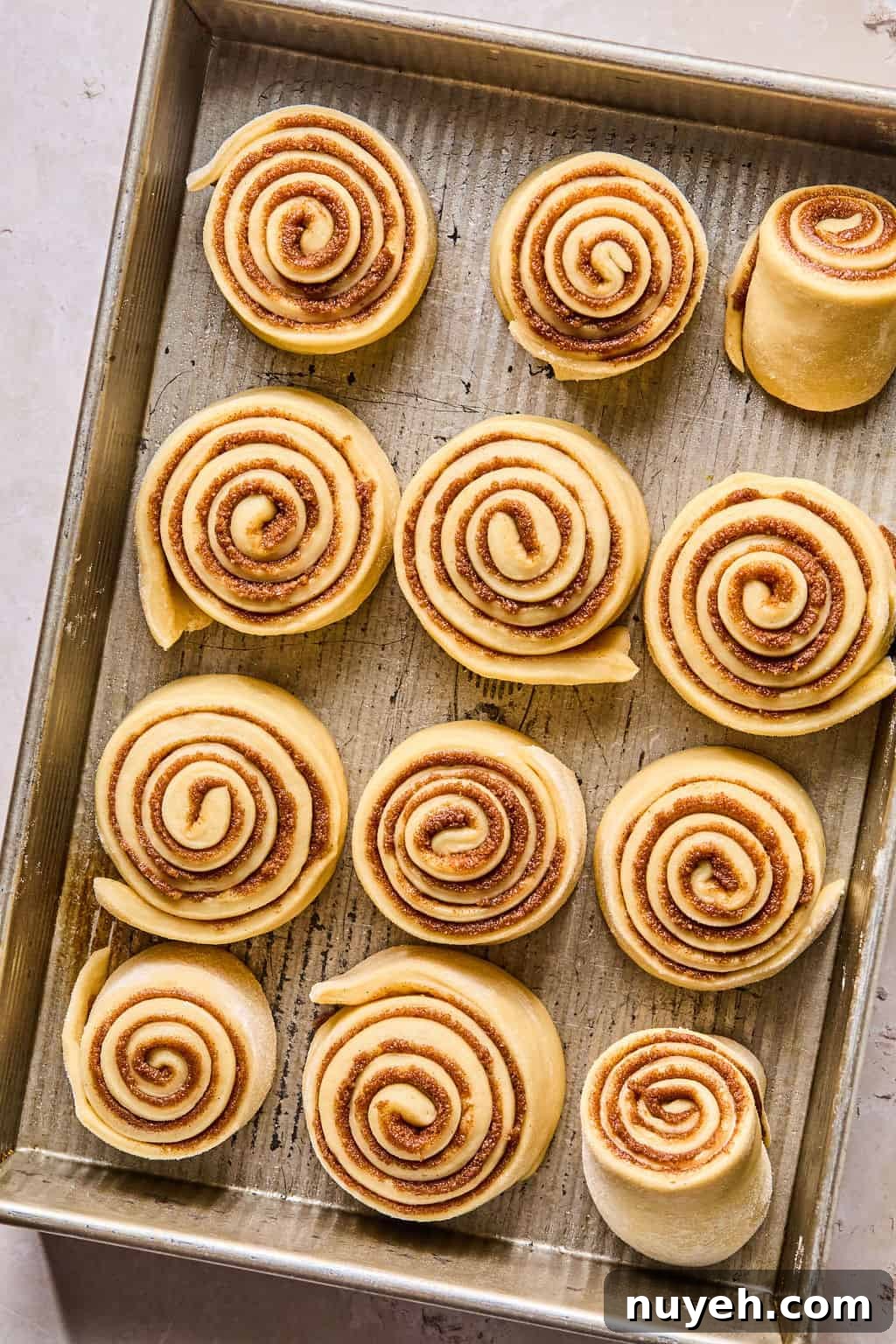
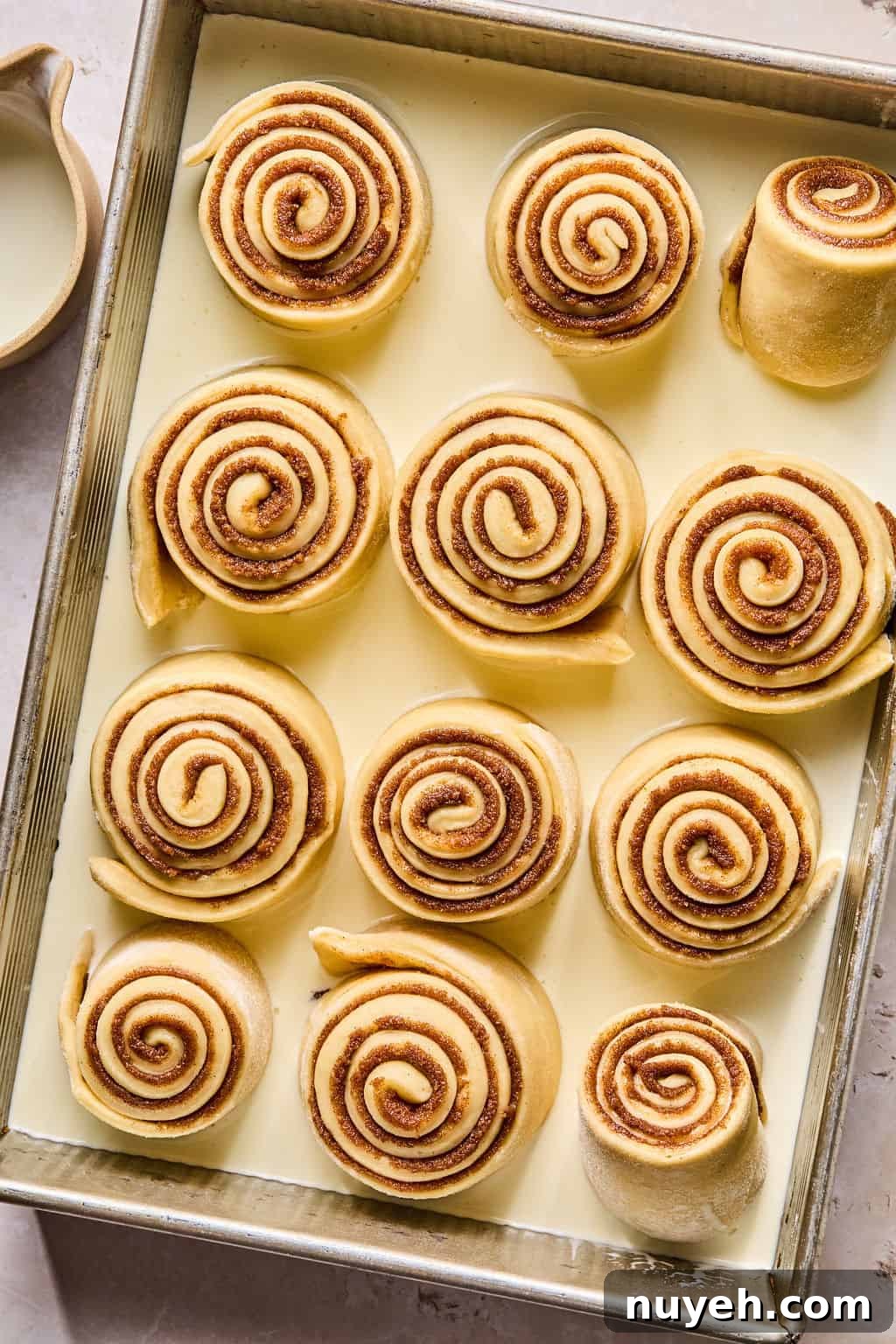
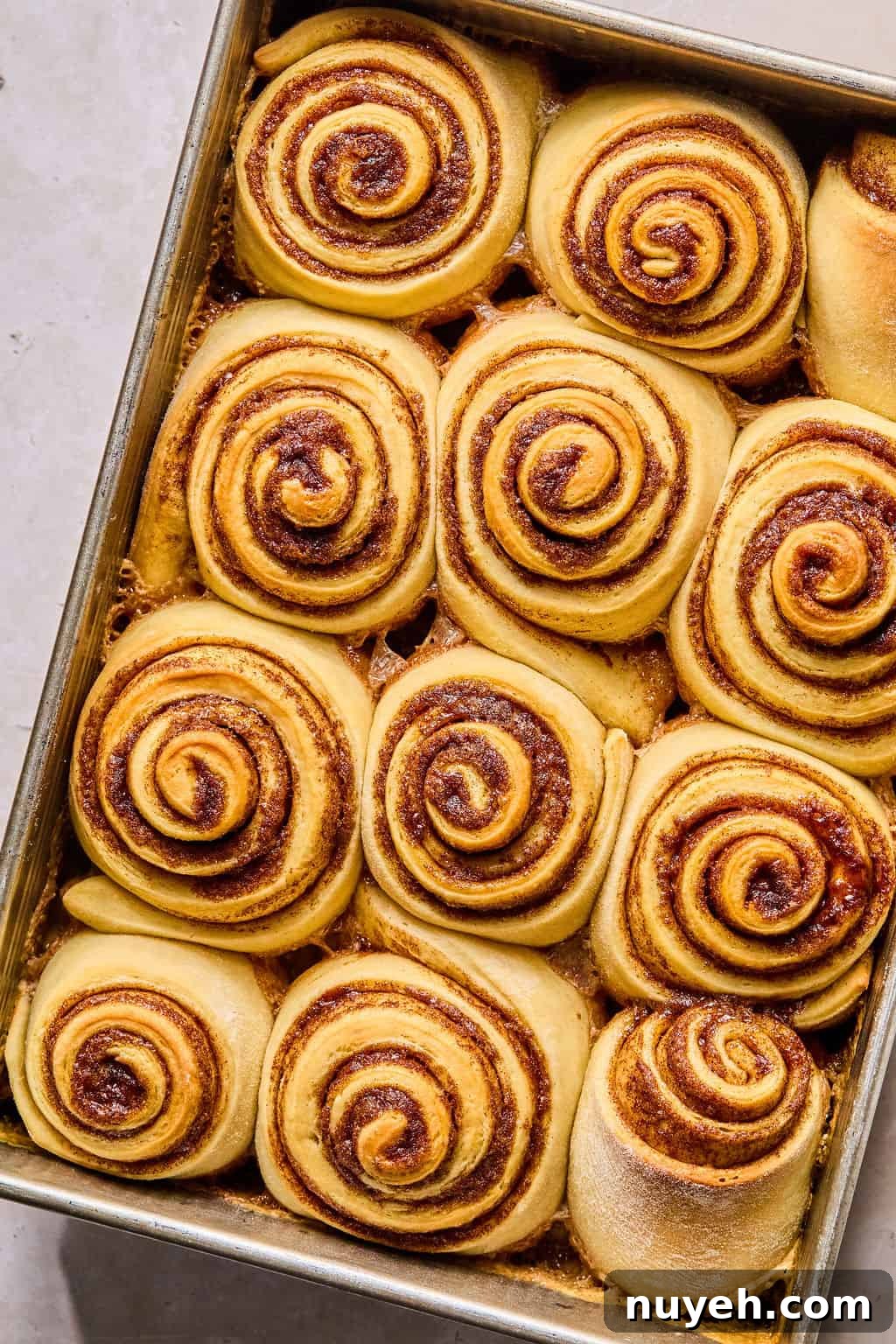
Step 6 — Add cream and bake: Warm the heavy cream slightly and pour it around the rolls, not over the tops. Bake until lightly golden and just set in the center, about 25–30 minutes at 350°F. Let cool 10 minutes.
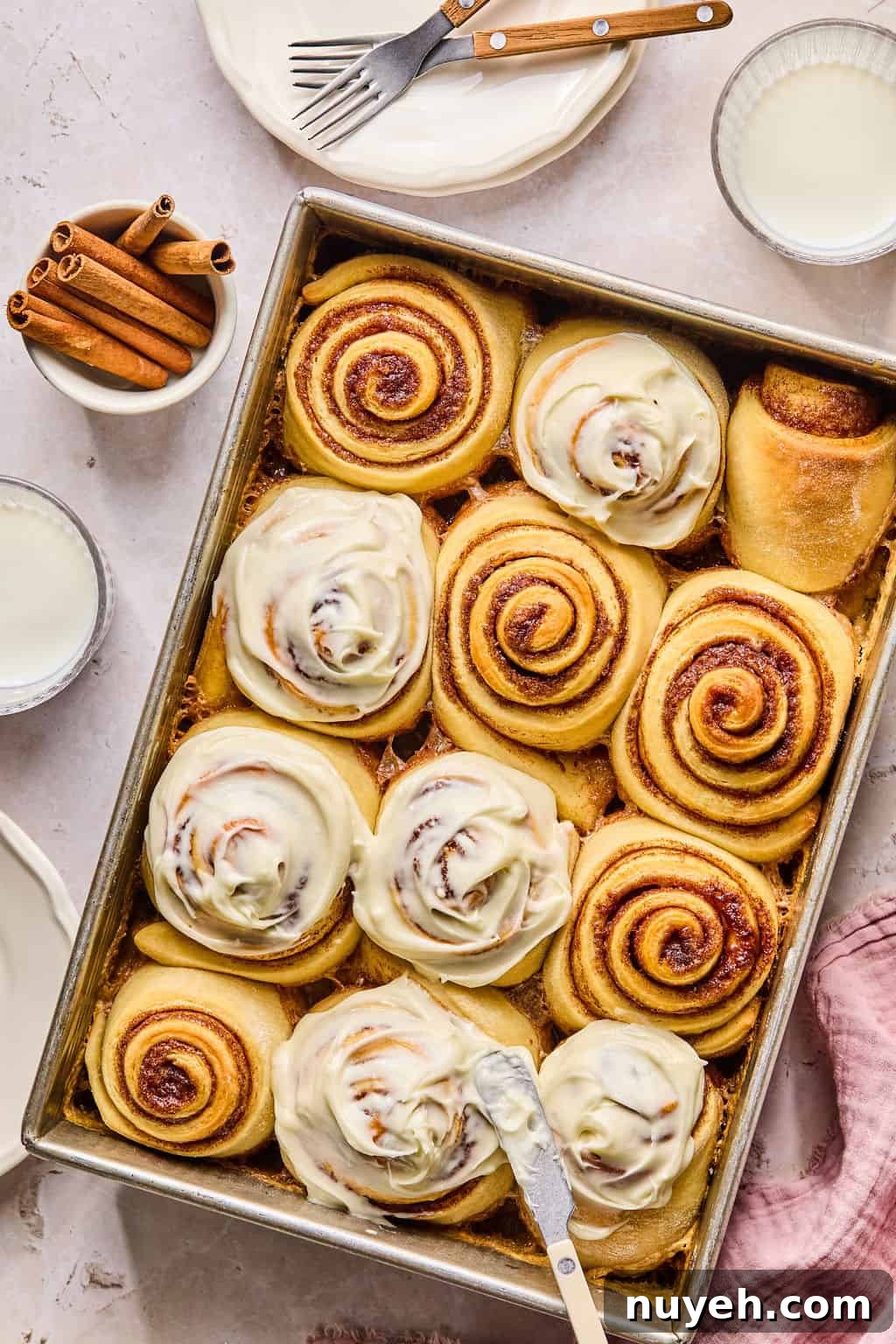
Step 7 — Frost: Spread cream cheese frosting over the warm rolls and serve.
FAQs
What makes cinnamon rolls soft and gooey?
Soft, gooey rolls are the result of balanced hydration and a dough structure that traps many small air bubbles. Ingredients like milk, yogurt, and honey retain moisture while careful kneading and proofing build a light, tender crumb.
Can I use all-purpose flour instead of bread flour?
Yes. All-purpose flour will still produce a tasty, soft roll, but the finished rolls will be slightly less tall and less elastic than those made with bread flour.
Can I make these cinnamon rolls overnight?
Yes. After shaping, cover the pan and refrigerate overnight. Remove from the fridge 45–60 minutes before baking so the rolls come to room temperature and puff up, then pour in the cream and bake as directed.
What to Serve With Cinnamon Rolls
For brunch pair them with savory dishes like an egg casserole or breakfast potatoes to balance the sweetness. Fresh fruit or plain yogurt are also good complements.
More Breakfast Recipes
Other popular breakfast ideas include cottage cheese pancakes, brown butter banana bread, blueberry overnight oats, and fluffy egg breakfast sandwiches.
Pillowy Soft Cinnamon Rolls — Recipe
Ingredients
Cinnamon Roll Dough
- 3/4 cup whole milk, warmed to 110–113°F
- 2 1/4 teaspoons instant yeast (1 packet)
- 1/4 cup granulated sugar (divided)
- 1/3 cup honey
- 1/2 cup full-fat plain Greek yogurt (or sour cream), room temperature
- 2 large eggs + 1 egg yolk, room temperature
- 1 teaspoon vanilla
- 4 1/4 cups bread flour
- 1 1/2 teaspoons salt
- 6 tablespoons unsalted butter, very soft
- 1/2 cup heavy cream, warmed
Cinnamon Filling
- 1/2 cup unsalted butter, very soft
- 1 cup light brown sugar, packed
- 2 tablespoons cinnamon
- 1/4 teaspoon kosher salt
- 1/2 teaspoon vanilla
Cream Cheese Frosting
- 4 oz full-fat cream cheese, softened
- 4 tablespoons unsalted butter, softened
- 1 1/4 cups powdered sugar
- 1 teaspoon vanilla
- Pinch of salt
- 1–2 tablespoons heavy cream or milk to thin
Instructions
- Activate the yeast: Warm milk to 110–113°F, whisk with yeast and 1 tablespoon sugar, and let sit until foamy (about 5 minutes).
- Mix wet ingredients: Stir in honey, remaining sugar, yogurt, eggs, egg yolk, and vanilla until combined.
- Add dry ingredients: Mix in bread flour and salt until a shaggy dough forms. Rest 10 minutes.
- Knead: Using a dough hook, knead until smooth and elastic, about 5–6 minutes.
- Add butter: Mix in softened butter one tablespoon at a time, allowing each to incorporate. Continue kneading until dough is soft, stretchy, and slightly tacky.
- First rise: Transfer to a greased bowl, cover, and let rise 45–60 minutes until puffy but not fully doubled.
- Prepare filling: Mix softened butter, brown sugar, cinnamon, salt, and vanilla to a spreadable paste.
- Roll and fill: Roll dough into a 24×18-inch rectangle, spread filling edge to edge, cut into 12 strips, and roll each strip tightly. Arrange in a greased 9×13 pan.
- Second rise: Cover and let rise 45–60 minutes until noticeably puffy and nearly touching. Preheat oven to 350°F.
- Finish and bake: Warm heavy cream briefly and pour around (not over) the rolls. Bake 25–30 minutes until lightly golden and centers read about 185–190°F.
- Frost: Beat cream cheese and butter until smooth, add powdered sugar, vanilla, salt, and 1–2 tablespoons cream to reach spreadable consistency. Spread over warm rolls.
Notes
- Measure flour by weight or spoon and level to avoid a dry dough.
- Use room temperature ingredients for even mixing and proper rise.
- Do not fully double the dough on the first rise; stop when puffy.
- For make-ahead: shape rolls, cover tightly, and refrigerate overnight. Bring to room temperature 45–60 minutes before baking.
- Freeze shaped rolls (wrapped) for up to 2 months. Thaw overnight in the fridge, then proceed as directed.
Recipe by: Molly Thompson | Photography credit retained with the original images shown above.