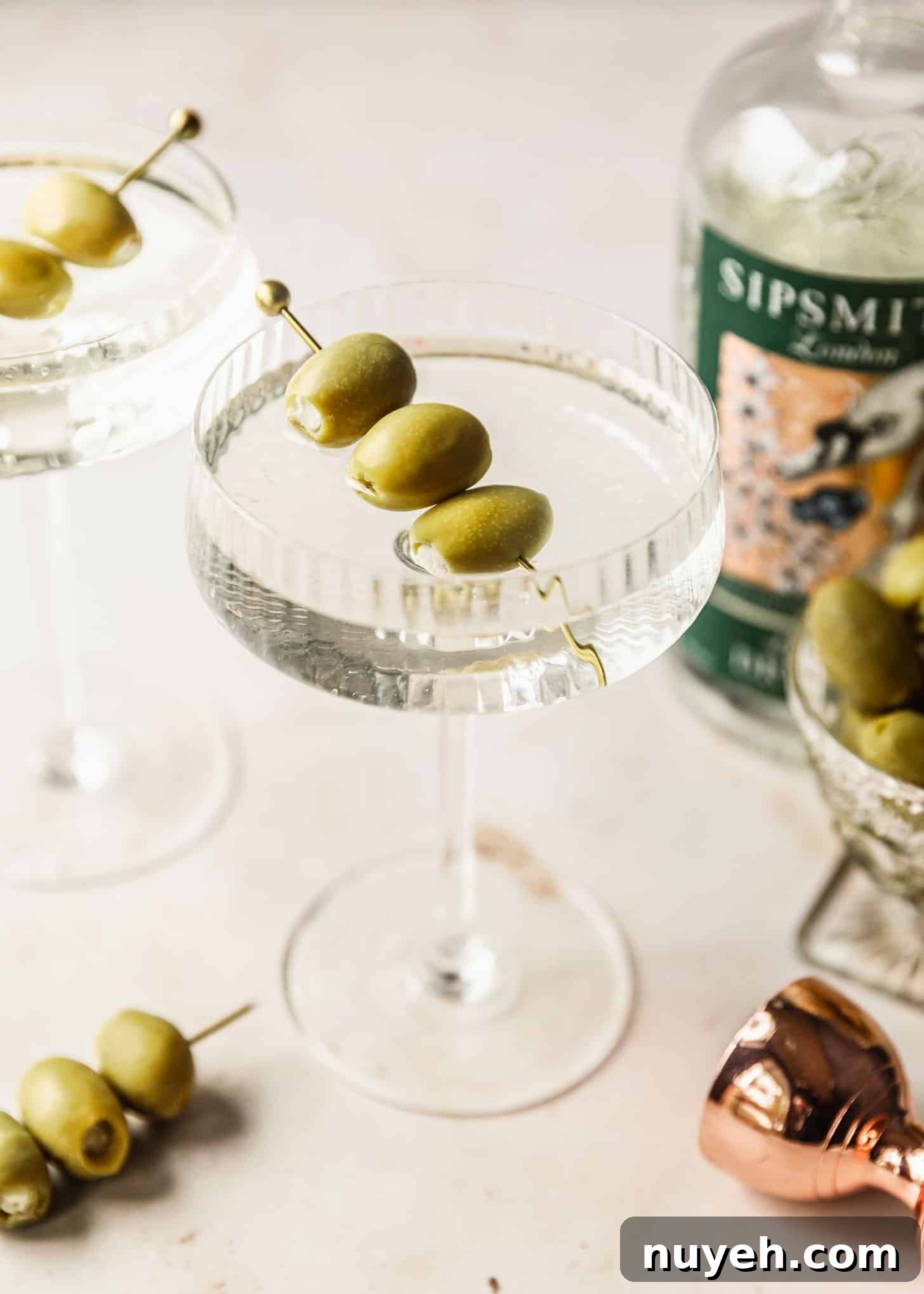
Discover my favorite easy way to make martinis for a party: the freezer door martini. This batch-style cocktail combines gin, dry vermouth, lemon bitters, and a touch of water in a single bottle, then chills in the freezer door until ready to serve. The result is smooth, spirit-forward, and effortless to pour for a crowd—cheers!
I’ve loved hosting for years, from small family dinners to casual nights with friends. Over time I learned a simple truth: classic cocktails can be easy to scale if you use the right technique. Batch cocktails like spritzes are one option, but when you want a true martini, this freezer-door method works beautifully.
Bartenders have used variations of this trick for a long time, and while martini purists may raise an eyebrow, this approach makes it simple to serve consistently chilled martinis without mixing each drink individually. Everything is combined in the bottle, frozen just enough in the freezer door, and ready to pour when guests arrive.
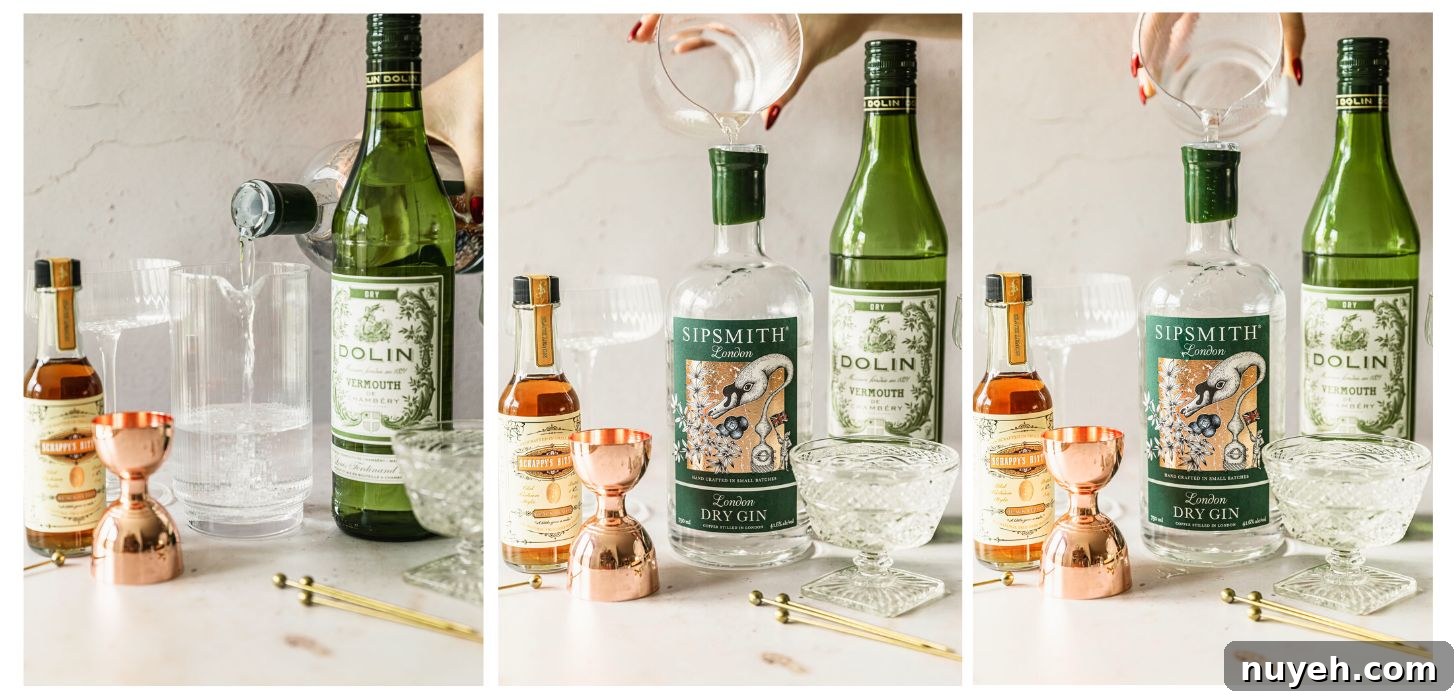
The process is straightforward: pour a little gin out if needed, add dry vermouth, filtered water to account for dilution, and a few dashes of lemon bitters. Cap the bottle, give it a couple of gentle shakes, and place it in the freezer door for at least four hours.
London dry gin
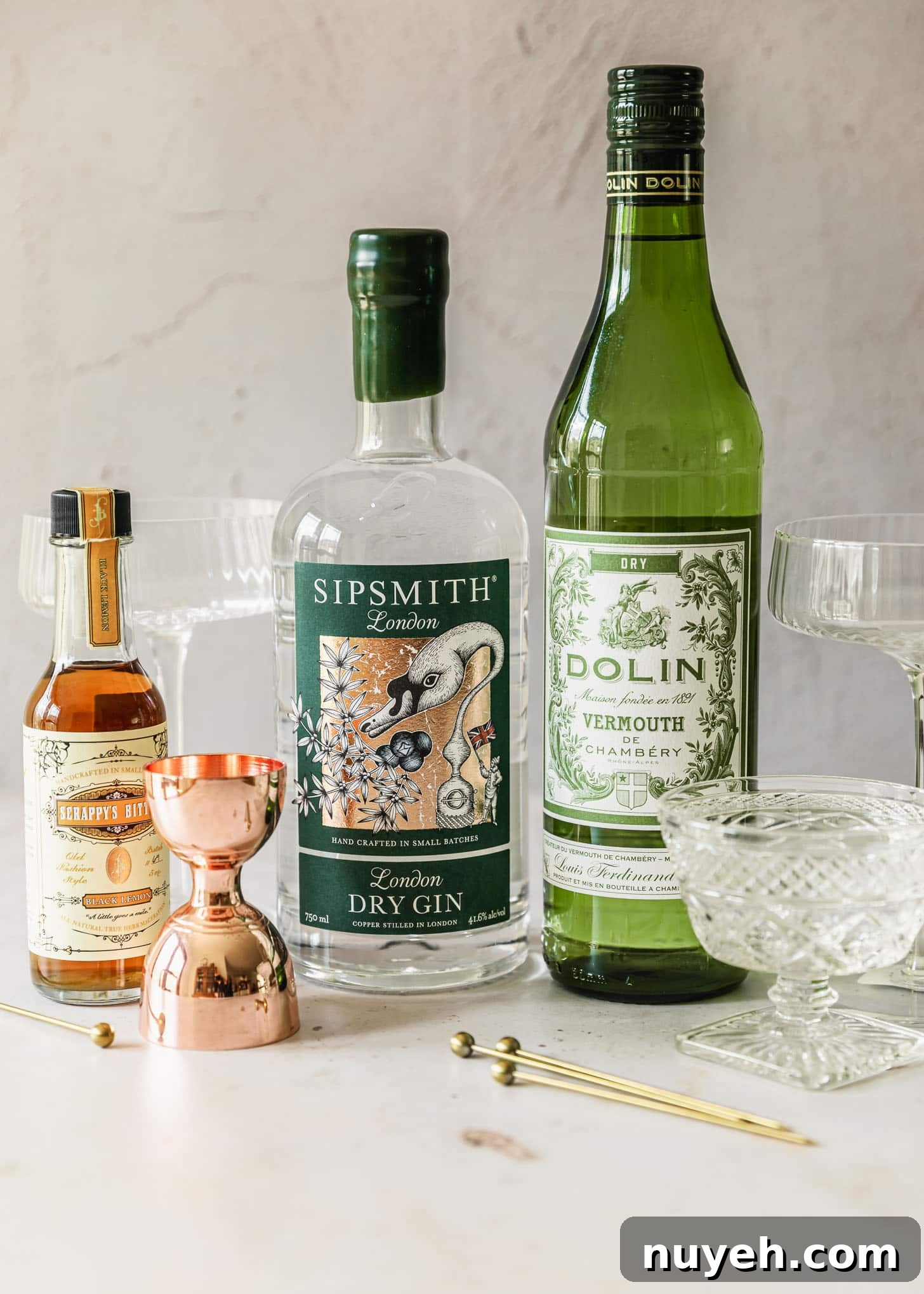
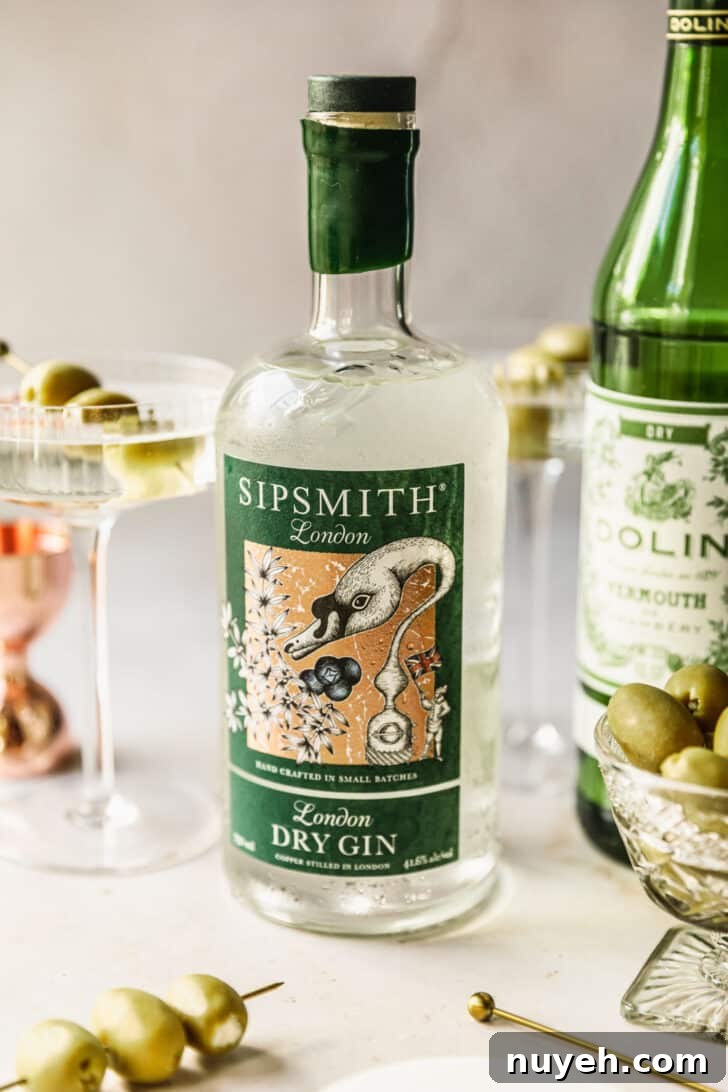
I prefer a classic London dry gin for this martini because the cocktail is very spirit-forward. Use a gin you enjoy—if you prefer vodka, you can substitute it instead. Choose a higher-quality spirit since the flavors are front-and-center in this drink.
Dry vermouth is the traditional match for a classic martini and what I use here. Pick a good-quality dry vermouth to complement the gin. You’ll also need filtered water to replace the dilution normally provided by ice, lemon or orange bitters for aromatic depth, and lemon twists or green olives as a garnish if you like.
Traditional martinis are shaken or stirred with ice, which dilutes the drink slightly. Because this version is combined in a bottle and chilled without ice, we deliberately add water—about 20% of the total volume—to mimic that dilution and keep the balance right.
Mix it up
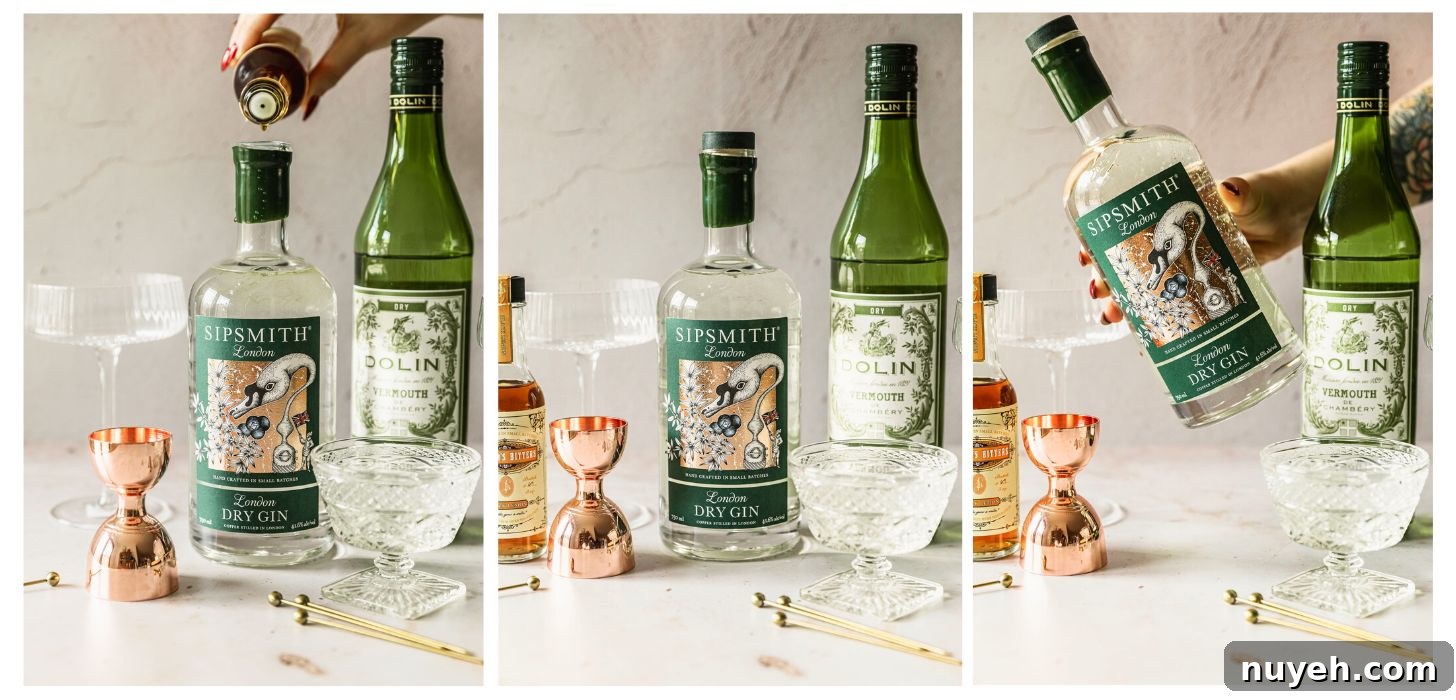
Bitters are like salt and pepper for cocktails—adjust to taste. I often reach for more bitters for extra complexity, but start with a modest amount, taste, and add more if you prefer a brighter, more aromatic martini.
For a dirty martini…
To make a dirty martini, replace the water with olive brine. Taste as you go and add more brine if desired, but be cautious: too much brine can make the bottle contents slushy rather than smooth. Aim for a clean, balanced olive flavor.

Freezer & make-ahead
Storing these martinis is simple: place the capped bottle in the freezer door, not on the cold shelf. The freezer door maintains a slightly warmer, more stable temperature so the cocktail won’t turn slushy. Properly stored, the bottle will keep for months—although most bottles will be enjoyed long before then.
Each 750 milliliter bottle yields roughly eight martinis, so this method scales easily for larger gatherings. Make several bottles in advance if you expect a crowd; they free up your time while guests arrive and keep the bar service seamless.
Gin recommendations
Because the drink highlights the base spirit, choose a gin you enjoy. Reliable options include London dry styles and other balanced gins—favorites I reach for include Sipsmith London Dry, Beefeater, Boodles, Hendrick’s, and Empress 1908. Any gin around 80 proof (40% ABV) or higher will help prevent the bottle from freezing solid.
If you try this recipe, I’d love to hear how it turned out. Leave a rating or review and share any tweaks you made—every comment is read and appreciated.
Classic Freezer Door Martinis
Ingredients
- 750 milliliter bottle of gin
- 5 ounces dry vermouth (150 milliliters)
- 5 ounces filtered water (150 milliliters)
- 8 dashes lemon bitters, plus more to taste
- Lemon twist or green olives, for garnish
Equipment
- Jigger
- Martini glasses
Instructions
- Pour about 10 ounces (296 milliliters) of gin out of the bottle and reserve it in a sealed container for another use if you prefer a stronger vermouth ratio.
- Add the dry vermouth, filtered water, and lemon bitters to the gin bottle. Cap the bottle, give it a few gentle shakes to combine, and place the bottle in the freezer door for at least 4 hours or overnight.
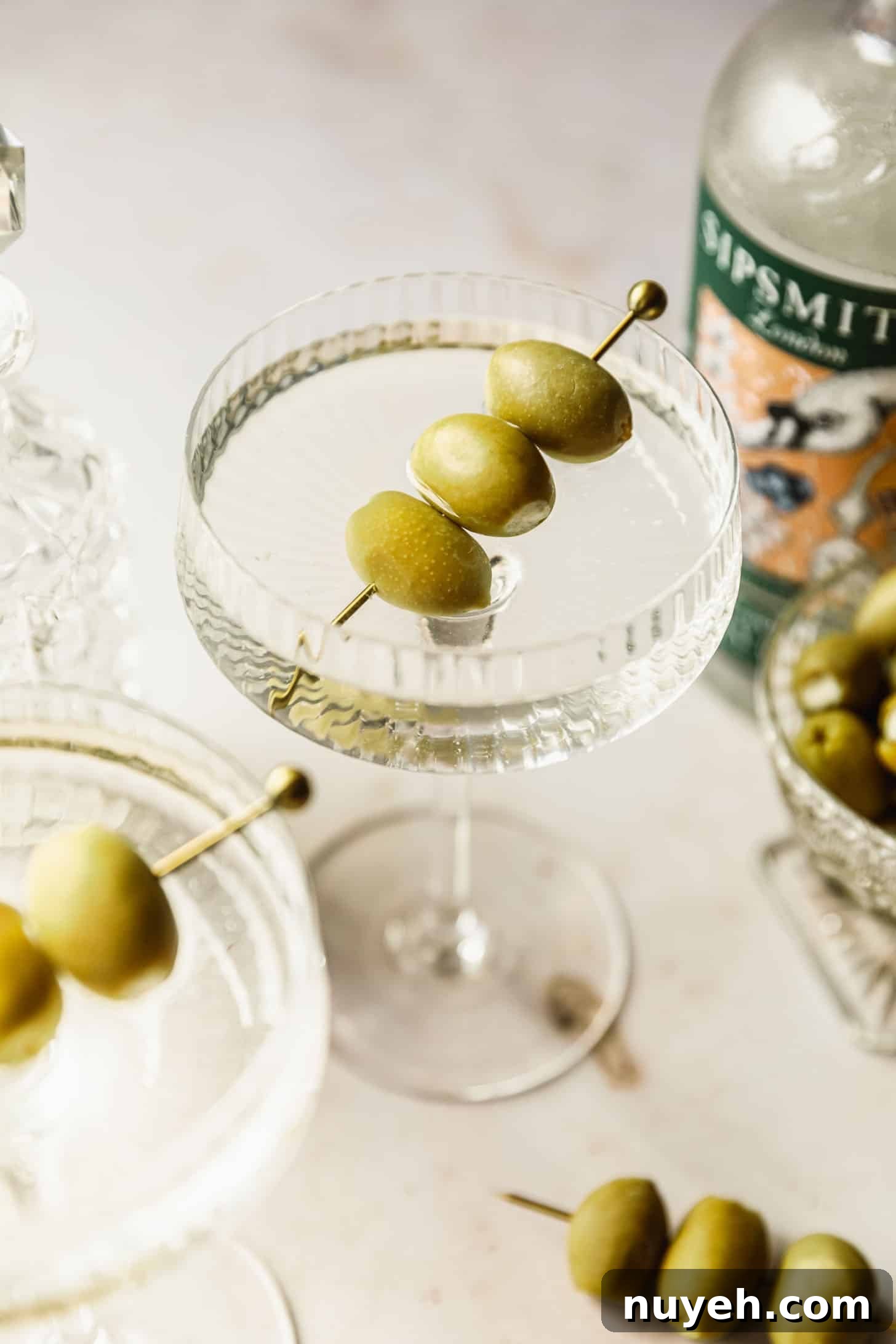
- To serve, pour roughly 3 ounces (90 milliliters) of the chilled cocktail into a well-chilled martini glass. Garnish with a lemon twist or olives and enjoy.
Notes
This recipe uses a 3:1 ratio of gin to vermouth. If you prefer a drier martini, adjust the gin-to-vermouth ratio (4:1, 5:1, etc.) but keep the 5 ounces of water to ensure proper dilution.
Start with 8 dashes of bitters and add more to taste. Bitters add aromatic depth and can be increased if you like a more pronounced flavor.
If the bottle begins to develop ice crystals or slush, gently shake the bottle or add a bit more gin to raise the alcohol concentration above 25% ABV so it stays pourable.
Store bottles in the freezer door (not on the cold shelf) for the best texture. Each 750 ml bottle makes about eight martinis, so this is easy to scale for larger gatherings.
Calories: 159 kcal
Carbohydrates: 0.5 g
Sodium: 2 mg
Tag @sundaytable.co on Instagram and share your version—I love seeing how you serve it.