River Roads
By CARL SANDBURG
Let the crows call as they always do — that sharp, repetitive caw that cuts across fields and water. Imagine them as if they had been moving through coal-dark midnights, carrying the smell and shadow of old mines in their wings. Their cry is part of the landscape; it belongs to the long, dark passages of the earth and the open sky. Allow them to keep calling, to mark the river roads with their voice.
Listen to the woodpecker beating time on a hickory stump, a steady, insistent drum. Picture this bird as one who has brushed through centuries of color: pools of red and blue that have stained him like a traveler carrying memories. The blue has brushed his wings; the red has warmed his head. The rhythm he keeps is both ancient and immediate — a heartbeat on the trunk, a signal that the wood is alive. Let him drum, let his red head bob as he makes his pulse known to the woods.
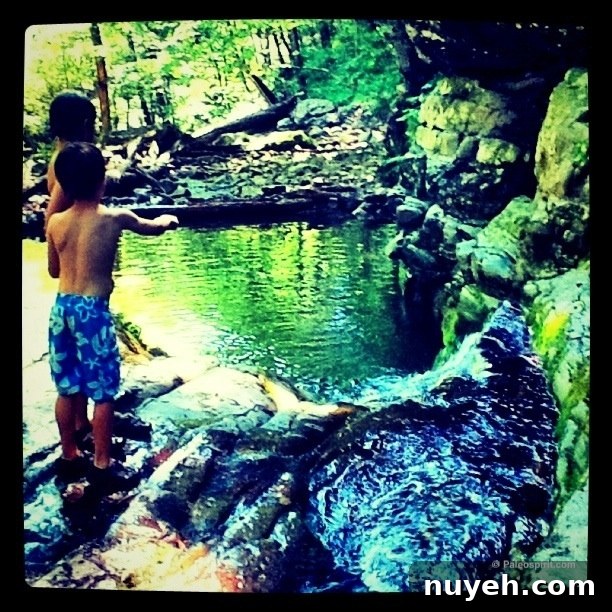
Stand beside the riverbanks and watch the dark pools that hold mirrored images of the birds above. These still surfaces act like looking-glasses, reflecting wing and beak, sky and leaf. If the pool chooses, if the breeze passes or a bird dips low, the reflection will shiver into motion — a blur of feathers and light, the echo of old journeys arriving and departing. The pools keep the memory of those wings, conserving motion in pause.
Notice the redwing streaking a bold line of vermilion against the green of the woodlands, a flash of color that writes itself across the trees. Watch the morning mist rise along the river and lay itself over the landscape like a shawl thrown across someone’s lazy shoulders. The mist fixes color — purples and subtle tones — into soft bands that rest on the trees and water, wrapping the scene in quiet, tactile beauty.
These river roads, then, are more than paths of water. They are a tapestry of sound, color, and movement: the crows with their coal-dusted cries, the woodpecker’s drum that taps out time, the reflective pools that hold and loosen the memory of flight, the sudden slash of redwing through green, and the mist that dresses the river in shawls of purple. Each element plays a part in the living landscape, a chorus of small, ordinary miracles that shape the river’s identity.
To walk or to pause beside these banks is to enter into a soft, ongoing conversation between earth and sky, bird and water, past and present. The sounds are simple — caws, drums, wings — but they carry weight. The colors are plain — red, blue, green, purple — yet they combine into scenes that feel timeless. The river moves on its coursing way, but it gathers these details like memories, holding them in pools and on its edges until they are ready to be seen again.
In that sense, the river roads are places of attention. They ask us to notice small gestures: the woodpecker’s focused persistence, the crow’s rough proclamation, the sudden shimmer in a pool. They invite a slower kind of listening, an openness to natural rhythms that are both ancient and immediate. Standing there, you realize how every sound and color contributes to a wider story — one of travel, of return, of quiet resilience. Let the landscape speak in its own language; let the birds complete their sentences; let the mist and the river keep their secrets and their songs.