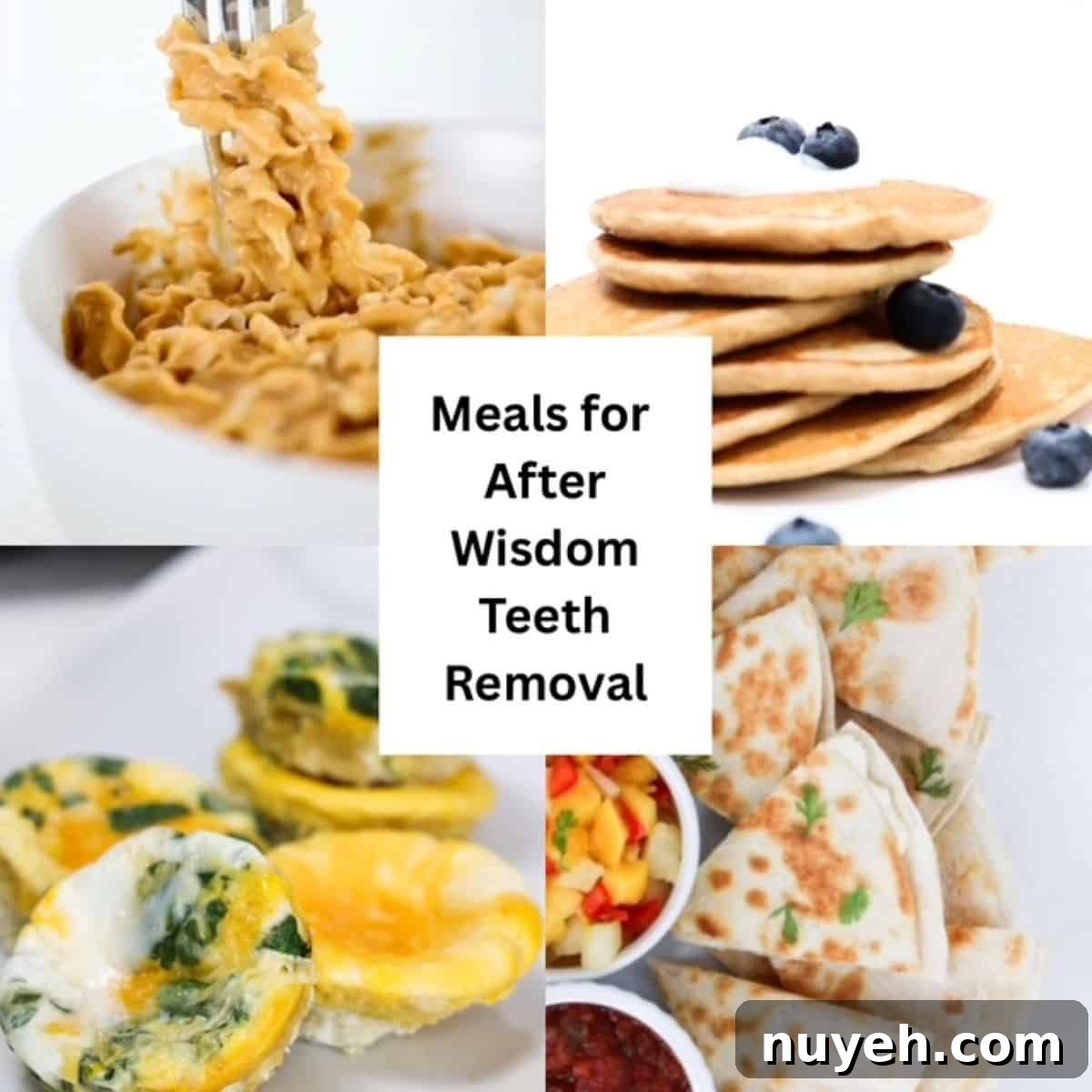
Figuring out what to feed your teen after wisdom teeth removal can feel overwhelming. Once you read the list of foods they cannot eat, having realistic, ready-to-serve ideas that are soft, nutritious, and actually appealing makes recovery easier for everyone.
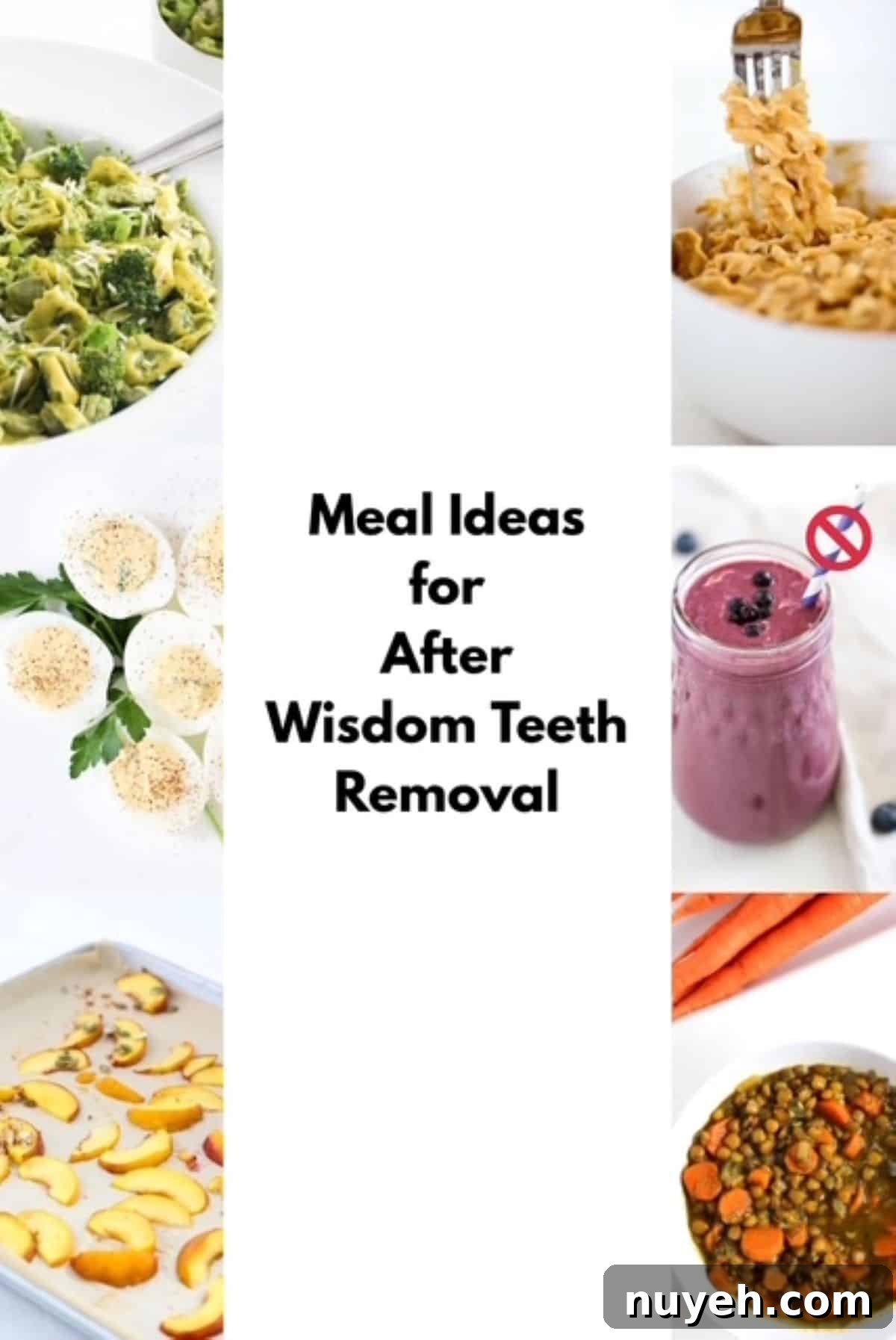
Good news: wisdom teeth removal rarely requires a long liquid-only diet. You will, however, want to choose soft, nutrient-dense foods and avoid anything crunchy, chewy, overly spicy, or acidic while the extraction sites heal.
Recovery varies. Some teens bounce back quickly, but swelling and limited jaw opening commonly last a week to ten days, making chewing uncomfortable. Early instructions from your oral surgeon will likely include eating mostly cool foods on day one to protect blood clots, avoiding straws, and avoiding foods with hard bits like nuts, seeds, and popcorn.
When my daughter had all four wisdom teeth removed, she was very hungry but could barely open her mouth. I adapted familiar family recipes so everything stayed soft enough for her to eat. That way we could all eat the same meals without special preparation.
🍓 Smoothies and Smoothie Bowls
Smoothies are an excellent way to deliver calories, protein, vitamins, and hydration—just remember: no straws until the surgeon says otherwise. If sipping is uncomfortable, serve smoothies with a spoon. Skip crunchy add-ins like granola, chia seeds, or nuts. Boost protein by adding yogurt, skyr, milk, silken tofu, nut butter (smooth), or protein powder.
🥞 Soft Breakfast Foods
- Eggs — Scrambled, soft baked eggs, or a simple cheese omelet. Use cooked, very soft vegetables if making a veggie omelet.
- Cottage Cheese — Serve with soft fruit like ripe banana or mashed berries.
- Greek Yogurt — Plain or mixed with soft fruit. Make a parfait but leave out granola or crunchy toppings.
- Oatmeal — Stovetop or instant oats made extra soft. For baked oatmeal, stir in milk before serving to soften the texture.
- Pancakes — Soft whole wheat or banana pancakes are easy to chew. Skip dense protein-only pancakes for the first few days.
🍜 Soft Foods for Lunch & Dinner
Sandwiches and raw salads can be hard to manage while swelling is present. Favor reheated dinners, soft pastas, and pureed or blended soups until chewing gets easier.
- Mac and Cheese — Creamy versions are easy to eat and comforting.
- Mashed Potatoes — Regular or sweet mashed potatoes, smooth and well-seasoned.
- Cheese Quesadillas — Made with soft flour tortillas and mild cheese; avoid acidic salsas. Mashed avocado is a milder side.
- Pasta Dishes — Cook pasta beyond al dente so it is very soft. Smooth sauces like butternut squash or a mild peanut-butter-based sauce add calories and flavor.
- Salmon — When cooked gently it flakes apart and is easy to eat, making it an excellent protein choice.
- Soup — Start with blended, creamy soups. Later in recovery, thicker soups with tender shredded chicken or lentils work well.
- Eggs — Hard-boiled eggs or egg salad (omit crunchy add-ins) are simple protein options.
🥐 Muffins & Soft Breads
- Muffins — Start with very tender muffins like zucchini-banana. Avoid nuts and seeds.
- Quick Breads — Soft banana bread, zucchini bread, or pumpkin bread are gentle on the mouth when made without nuts.
- Other Soft Breads — Soft pita or sandwich bread can work as a snack, but avoid large, thick sandwiches while opening is limited.
🧁 Dessert
- Pudding — Chocolate, vanilla, or rice pudding are soothing choices. Avoid puddings with seeds or crunchy mix-ins.
- Ice Cream — Smooth ice cream is a classic comfort option; just choose varieties without chunks or hard mix-ins.
- Soft Cookies & Brownies — Choose cakey, soft-baked cookies and brownies with tender edges rather than crisp textures.
- Cupcakes with Frosting — Soft cupcakes with creamy frosting are easy to eat and often a morale booster.
Helpful Tips
- Always follow your oral surgeon’s specific instructions. These family-friendly suggestions are meant to supplement—not replace—medical advice.
- No straws until cleared by your surgeon. Avoid actions that could dislodge clots.
- Cook pasta and vegetables a little longer than usual so they are very soft.
- Boiled or steamed vegetables are easier to tolerate than raw vegetables.
- Avoid crunchy and chewy foods, including nuts, seeds, popcorn, and raw fibrous vegetables.
- Include protein, fiber, and nutrient-rich foods at meals to support healing: eggs, yogurt, soft fish, lentils, mashed beans, and smooth nut butters are all useful.
Questions You May Have
Smoothies and smoothie bowls are the easiest way to combine fruits, vegetables, and a protein source like yogurt, milk, silken tofu, smooth nut butter, or protein powder. As swelling improves, include soft cooked vegetables, tender proteins, and mashed legumes. Aim for balanced meals with protein at each sitting to support healing.
Protein, vitamin C, and zinc support tissue repair, and omega-3 fats offer anti-inflammatory benefits. Less acidic vitamin C sources include seedless melon, papaya, and well-cooked leafy greens. Zinc-rich options include eggs, lean meats, shellfish, lentils, and whole grains—choose soft preparations during early recovery.
Avoid crunchy peanut butter. Smooth peanut butter or other smooth nut butters are fine if cleared by the oral surgeon and tolerated by the teen. They add protein and healthy fats and can be blended into smoothies or spread thinly on soft bread or muffins.