
Learn practical ways to save money on your grocery bill and cut food waste. These grocery shopping tips and strategies help reduce costs without sacrificing flavor or family favorites.

We cook most meals at home these days, which already saves a lot compared with eating out. Still, grocery spending can add up fast—especially for a family of four with two hungry kids. Over time we developed simple habits that consistently lower our grocery bill and reduce waste. Below are the strategies that worked best for us, organized so you can try them one at a time or all together.
These tips focus on smarter grocery shopping, better meal planning, and small changes that add up: buying in bulk, avoiding impulse buys, choosing store brands, and using what you already have. They’re practical and realistic for busy households.
Meal plan ahead so you only buy what you need
Meal planning is the single most effective habit we adopted. Planning dinners, lunches, and breakfasts for the week prevents unnecessary purchases and helps you use ingredients across multiple meals. With a plan, your grocery list stays focused on what you’ll actually cook and eat, and you won’t be tempted to buy extras that sit unused.
Make a list ahead of time or do curbside/pickup/grocery delivery
Impulse purchases inflate grocery bills. I notice I spend most when I wander the aisles or shop hungry. Make a written list based on your meal plan, and stick to it. Better yet, place an online order for curbside pickup or delivery—this removes the opportunity to browse and helps keep costs down.
Look at what’s on sale
Check weekly store sales and coupons before you shop. Buying sale items you would use anyway—especially meat or pantry staples—can save a significant amount. Purchase extra only if you have freezer space and a plan to use it so nothing goes to waste.
Alternately, don’t buy something JUST BECAUSE it’s on sale
A sale doesn’t always mean value. If you won’t use an item before it spoils or don’t have a plan, buying it because it’s discounted wastes money and food. Only purchase sale items you’re confident you’ll consume.
Buy generic
Store brands often match national brands for quality at a lower price. Trying generic versions of staples like pasta, canned goods, baking supplies, and condiments can shave dollars off every trip. Keep your favorite brand for items you prefer, but test generics—many are excellent.
Eat what’s in season
Seasonal produce costs less and tastes better. Plan meals around what’s in season locally, and use frozen fruits or vegetables when fresh options are overpriced or out of season. Frozen produce is generally healthier and cheaper than canned, and it stores longer, reducing waste.
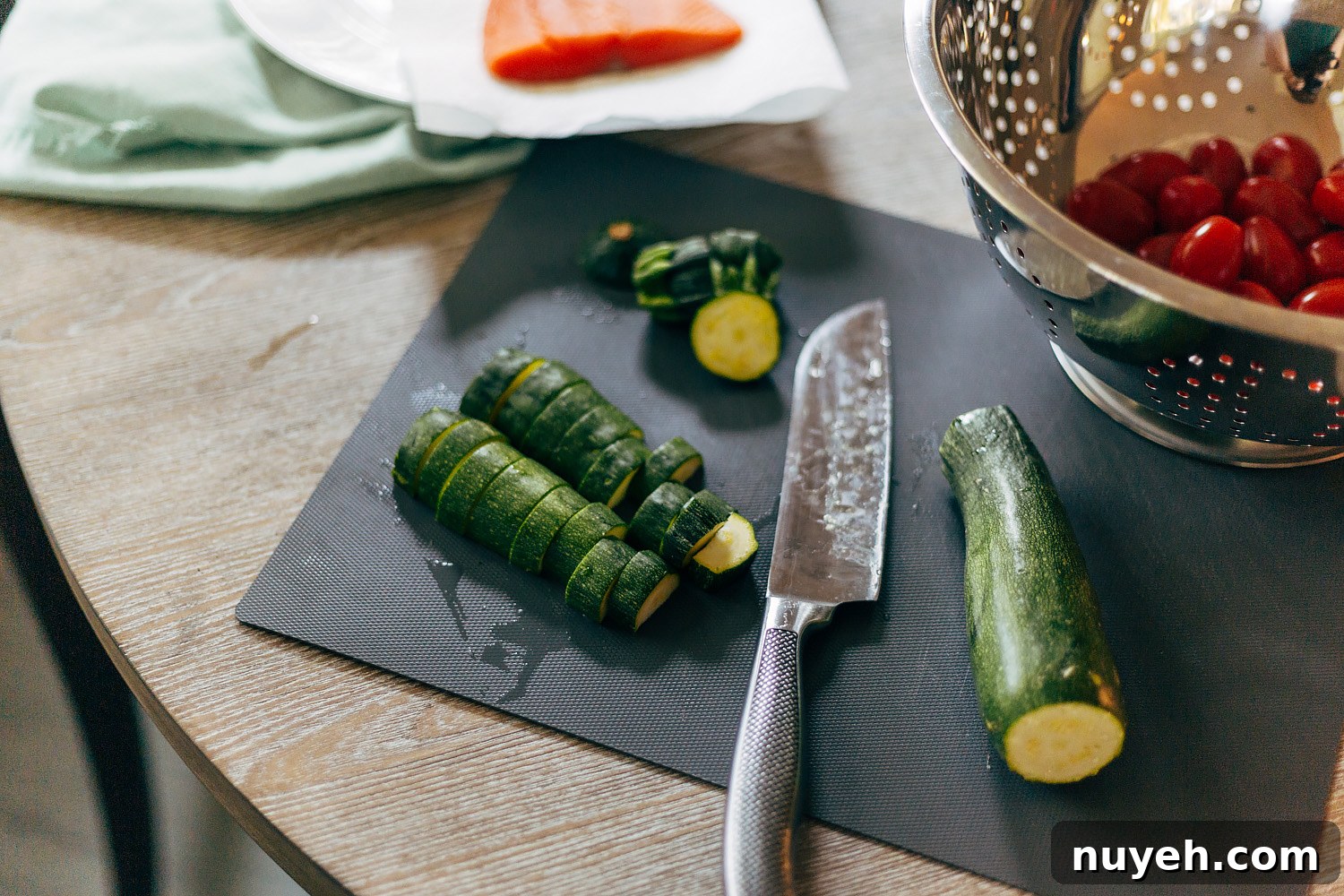
Eat more vegetarian and vegan meals
Plant-forward meals are often cheaper than meat-based dishes. We now make vegetarian dinners most of the week—simple grain bowls, soups, pastas, and hearty salads that are filling and budget-friendly. You don’t need exotic ingredients; beans, lentils, rice, pasta, seasonal vegetables, and simple cheeses or plant-based proteins go a long way. Besides saving money, eating more plant-based meals can be better for the environment.
Vegetarian meal ideas we enjoy: Instant Pot Parmesan risotto, roasted butternut squash soup, farro bowls with sweet potato and kale, and a cheesy pasta bake.
Buy items from the bulk section
Bulk bins let you buy the exact amount you need at a lower price per unit. Beans, rice, oats, nuts, and grains are often cheaper in bulk than prepackaged versions. Compare unit prices and buy in bulk when it’s cheaper and you have space to store it.

Buy dried beans
Dried beans are much less expensive than canned varieties. Cook a large batch, freeze portions, or store them in the fridge to add to soups, salads, tacos, and grain bowls during the week.
Check your pantry and fridge
Before shopping, scan your pantry, fridge, and freezer. You’ll avoid duplicate purchases and use what you already own. Building meals around existing ingredients reduces cost and prevents food from expiring unused.
Don’t buy bottled water
Avoid buying bottled water for everyday use. If tap water is safe in your area, install a good filter and use reusable bottles. This saves money and reduces single-use plastic waste.
Grow your own herbs
Fresh herbs are expensive prepackaged. If you have even a small windowsill or balcony, grow basil, chives, mint, or rosemary. Fresh herbs are easy to maintain and cut shopping costs for garnishes and flavoring.
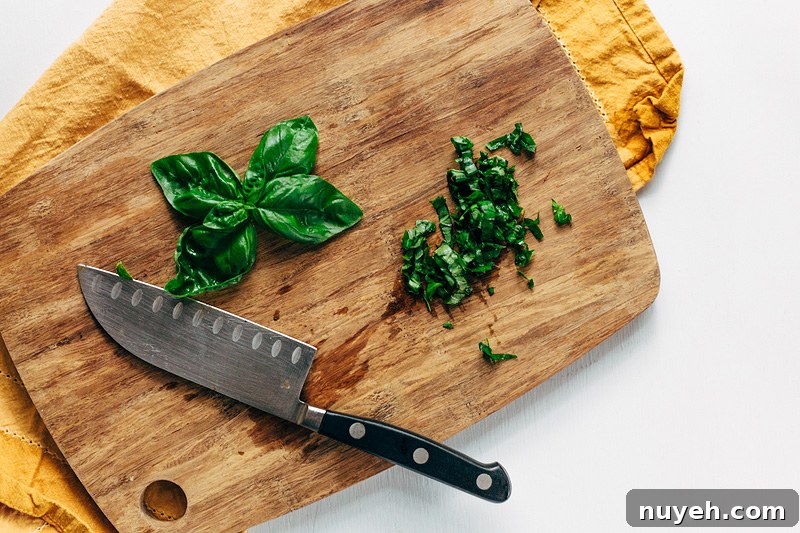
Don’t buy pre-grated and pre-sliced cheese. Or pre-cut veggies.
Pre-cut and pre-grated items cost extra for convenience. If you can spare a few minutes to slice veggies or grate cheese at home, you’ll save money. Preparing ingredients yourself also reduces packaging waste.