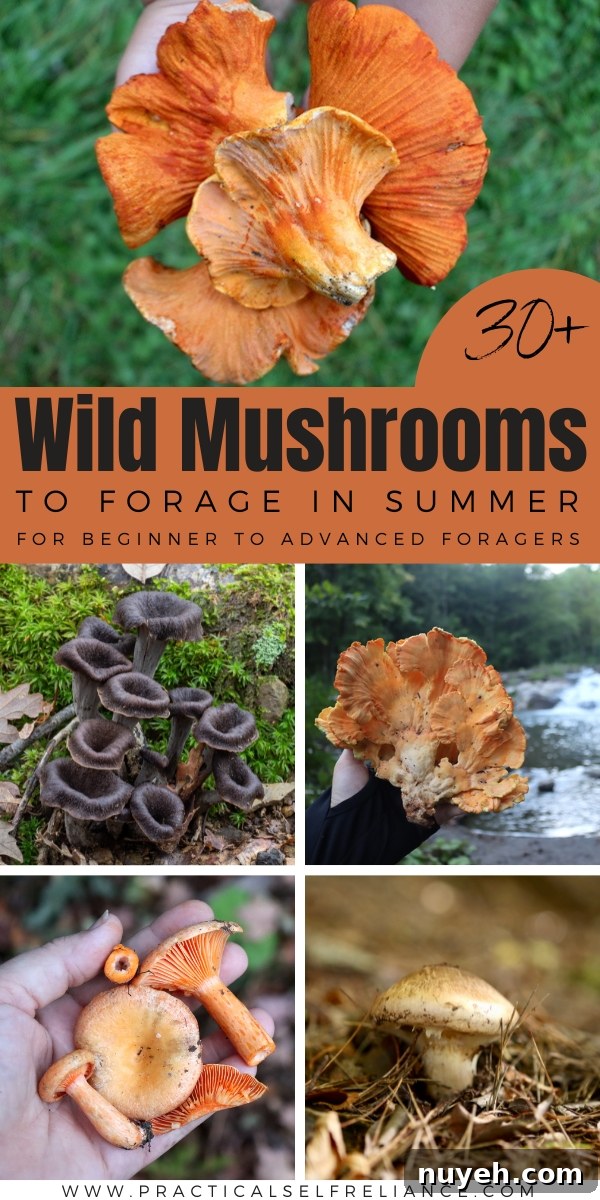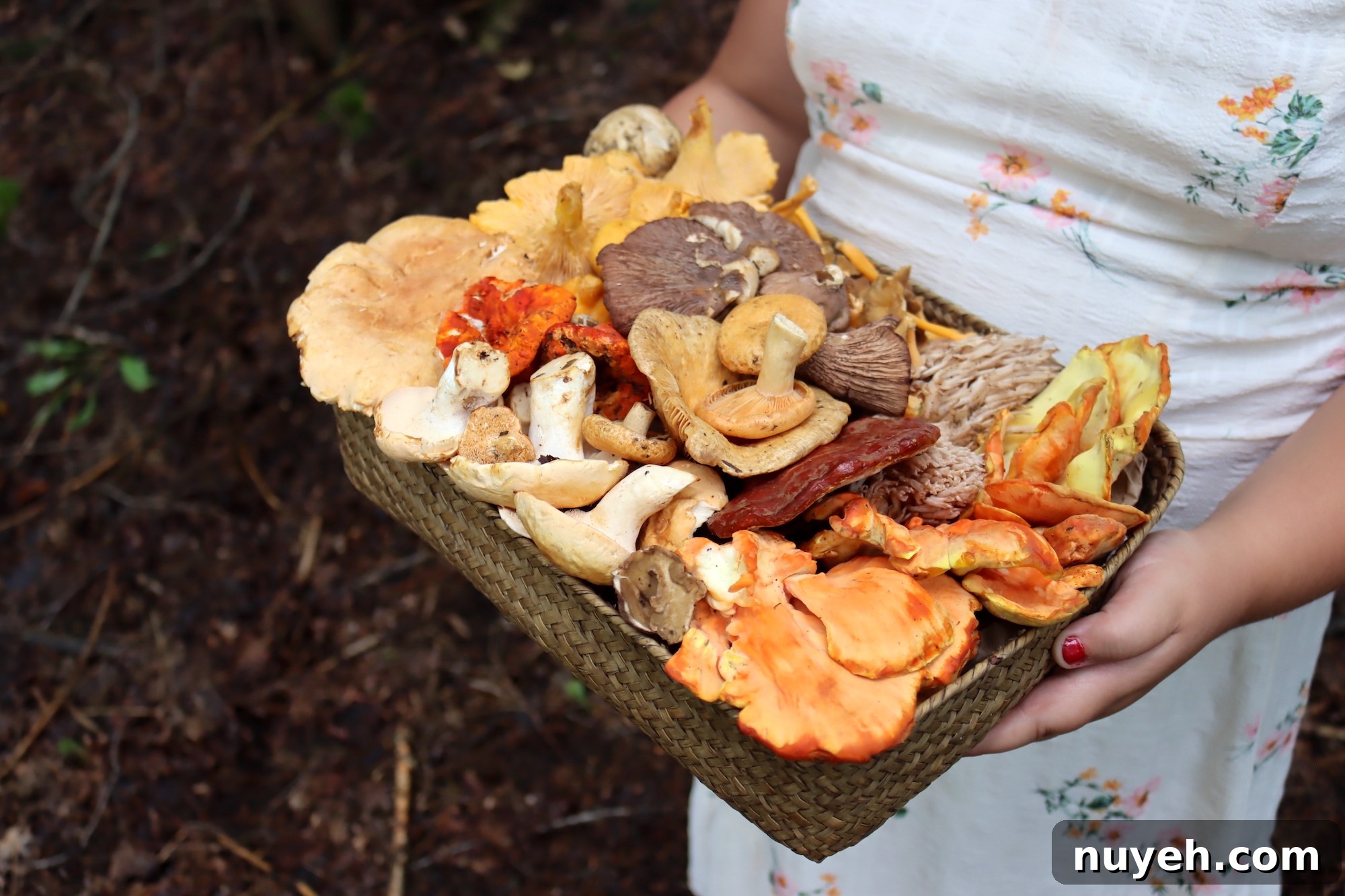
Summer mushroom foraging usually means full baskets and abundant finds—there are many edible wild mushrooms in the woods during the warmer months. It’s a good reason to escape the heat with a walk through cool, shaded forest areas where most fungi thrive.
Summer means more time outside. Whether you’re hiking, biking, swimming, or spending time in a local park, summer is a perfect season to watch for mushrooms.
Many prized culinary and medicinal species fruit in the long, warm days. Some tolerate dry spells, while others appear after a good summer rain.
If you’re already out and about, bring a mesh bag or basket. Summer is generous with wild edibles, and learning to identify the common species will help you make the most of each foray.
Summer Mushrooms
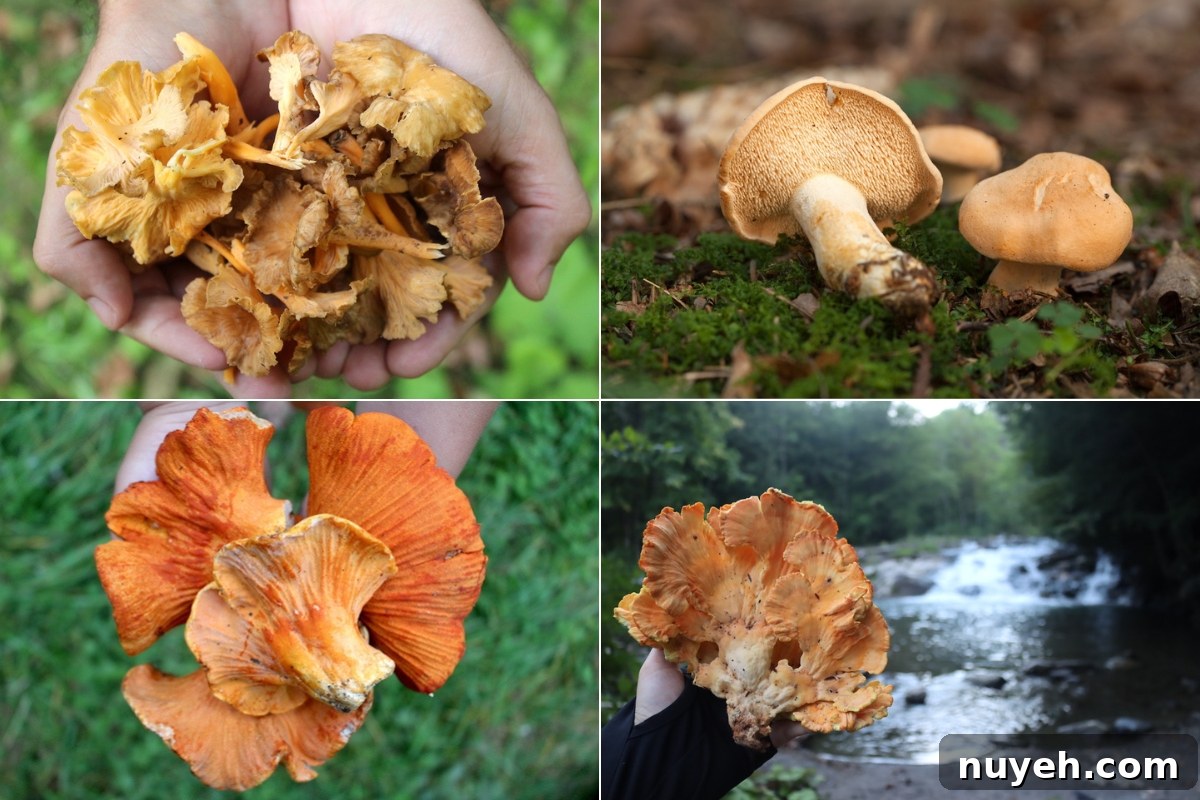
The species below fruit during summer. Exact timing depends on weather and location. Some are excellent in the kitchen, while others are better for teas, tinctures, or drying.
I’ve arranged these lists roughly from ones that are easiest for beginners to identify to species better left to experienced foragers. Different foragers may rank them differently, but this reflects practical field experience.
Beginner Foragers
- Black Trumpet Mushrooms (Craterellus cornucopioides)
- Chicken of the Woods (Laetiporus sulphureus)
- Shaggy Mane Mushrooms (Coprinus comatus)
- Reishi Mushrooms (Ganoderma spp.)
- Lion’s Mane Mushrooms (Hericium erinaceus)
- Maitake Mushrooms (Grifola frondosa)
- Black Staining Polypore (Meripilus sumstinei)
- Hedgehog Mushrooms (Hydnum repandum)
- Hawks Wing Mushroom (Sarcodon imbricatus)
- Witches Butter (Tremella mesenterica)
Intermediate Foragers
- Chanterelles (Cantharellus spp.)
- Puffball Mushrooms (Calvatia, Calbovista, Lycoperdon, etc.)
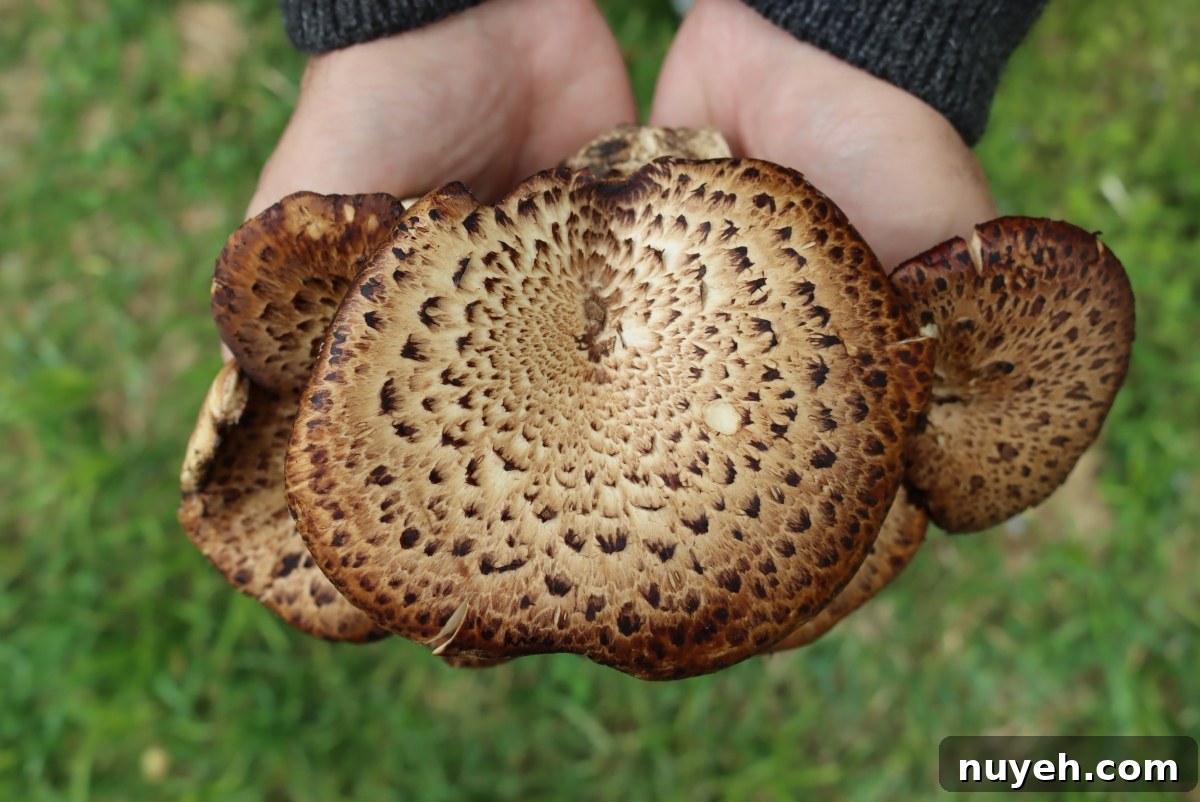
- Dryad’s Saddle (Cerioporus squamosus, formerly Polyporus squamosus)
- Old Man of the Woods (Strobilomyces strobilaceus)
- Turkey Tail Mushrooms (Trametes versicolor)
- Summer Oyster Mushrooms (Pleurotus pulmonarius)
- Saffron Milk Caps (Lactarius deliciosus)
- Pigs Ear Mushrooms (Gomphus clavatus)
- Boletes (Boletus spp.)
- Lobster Mushrooms (Hypomyces lactifluorum)
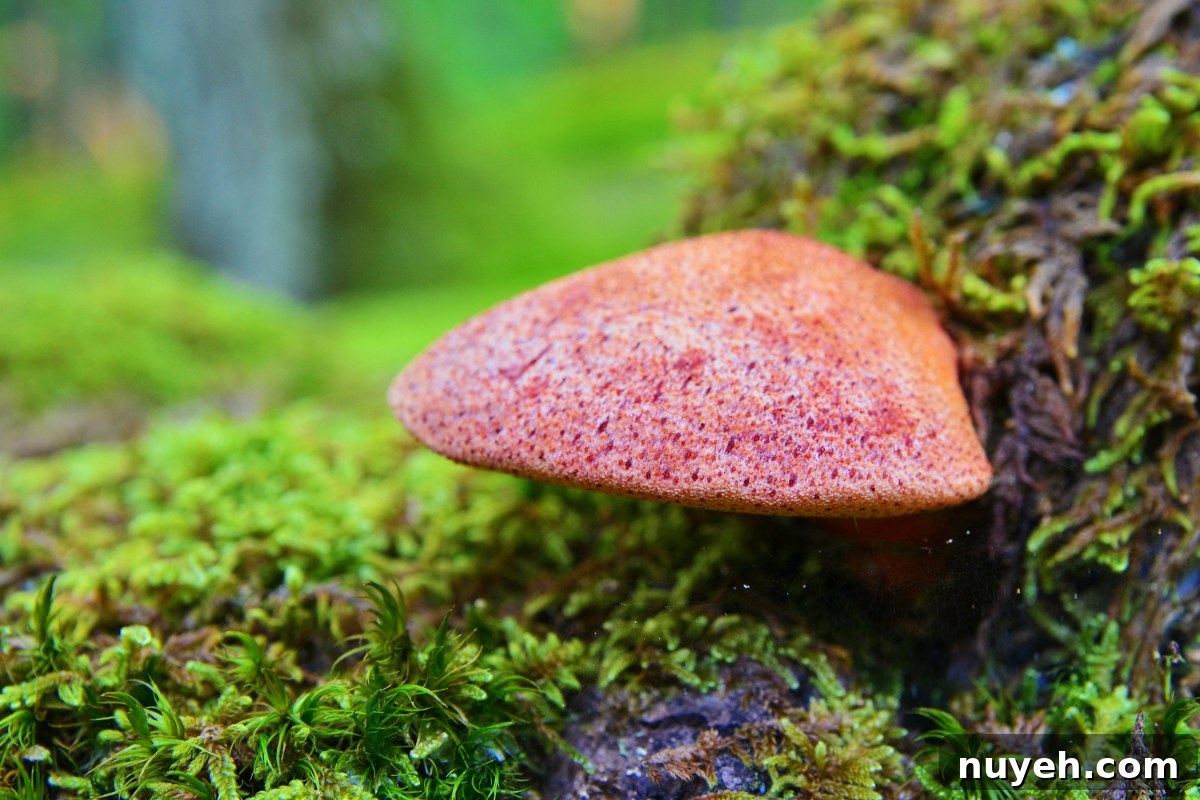
- Beefsteak Mushrooms (Fistulina hepatica)
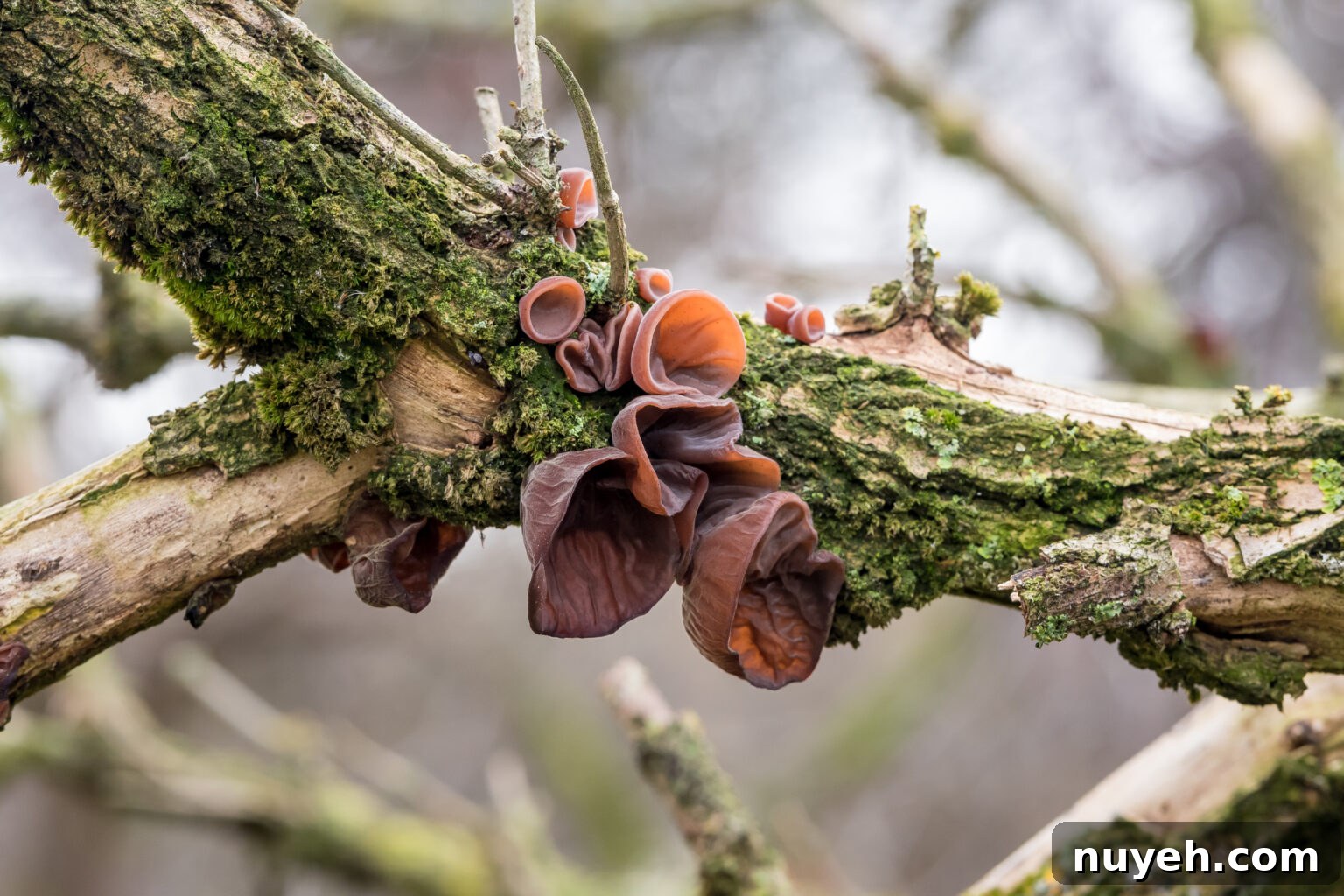
- Wood Ear Mushrooms (Auricularia spp.)
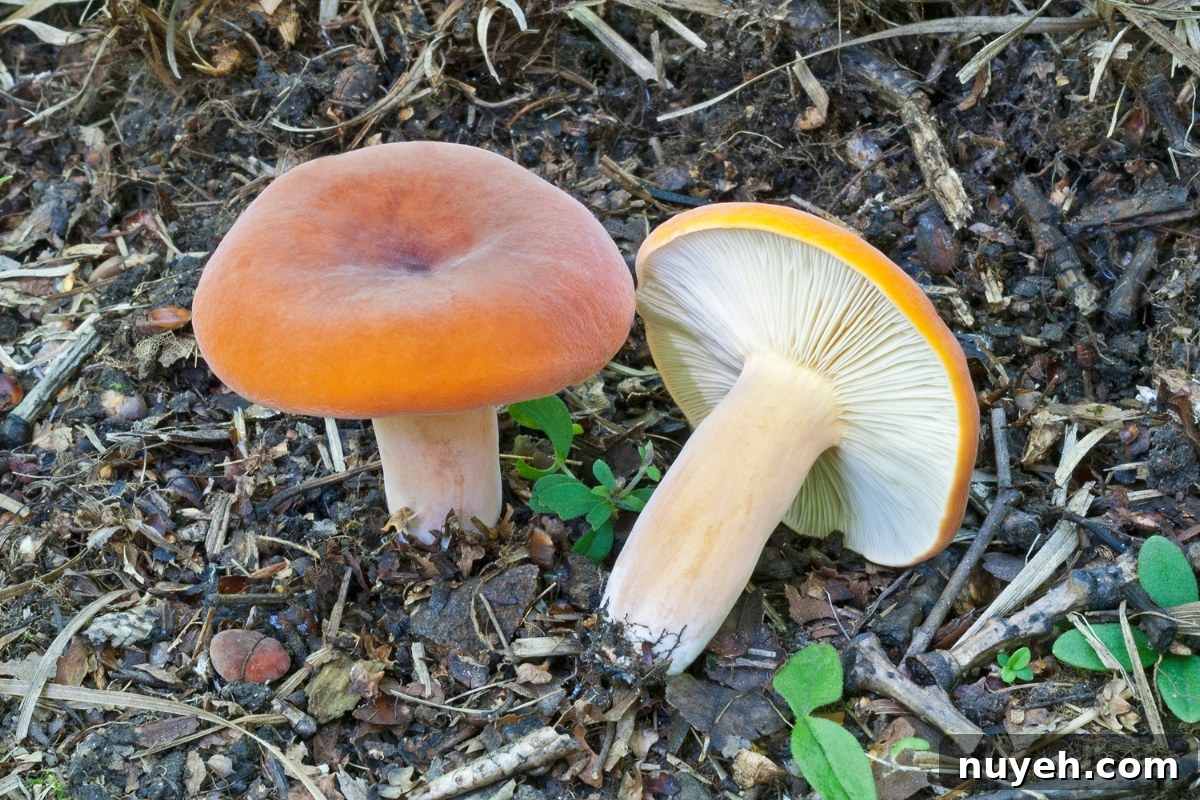
- Weeping Milk Cap (Lactifluus volemus)
Expert Foragers
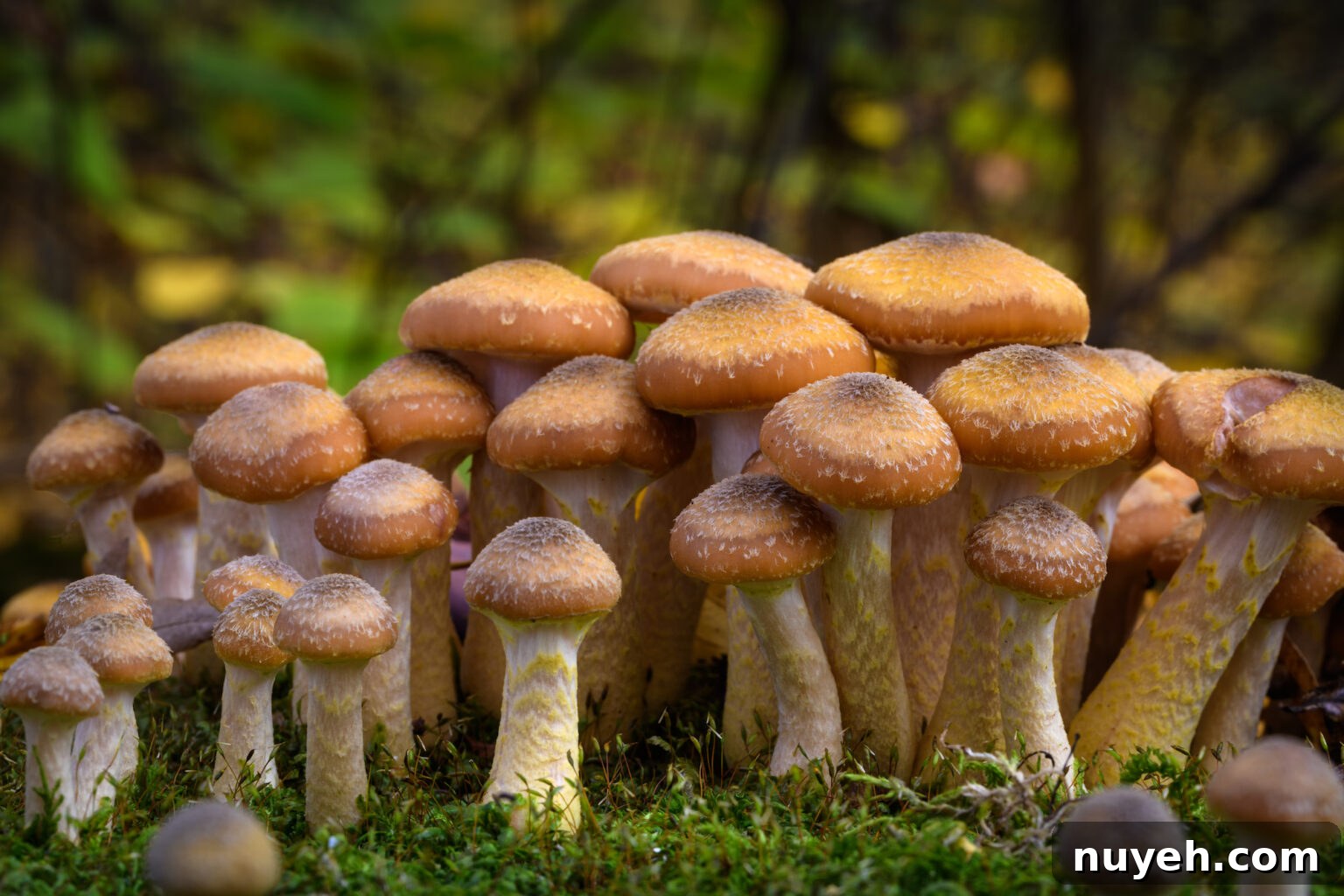
- Honey Mushrooms (Armillaria mellea)
- Agaricus Mushrooms (Agaricus spp.)
- Caesar’s Mushrooms (Amanita caesarea)
- Coral Mushrooms (Clavariaceae spp.)
- Matsutake (Tricholoma matsutake)
- Deer Mushrooms (Pluteus pestatus and Pluteus cervinus)
- Parasol Mushrooms (Macrolepiota procera)
- Russula Mushrooms (Russula sp.)
- Amethyst Deceiver Mushrooms (Laccaria amethystina)
- False Morels (Gyromitra spp.)
Summer Mushrooms for Beginner Foragers
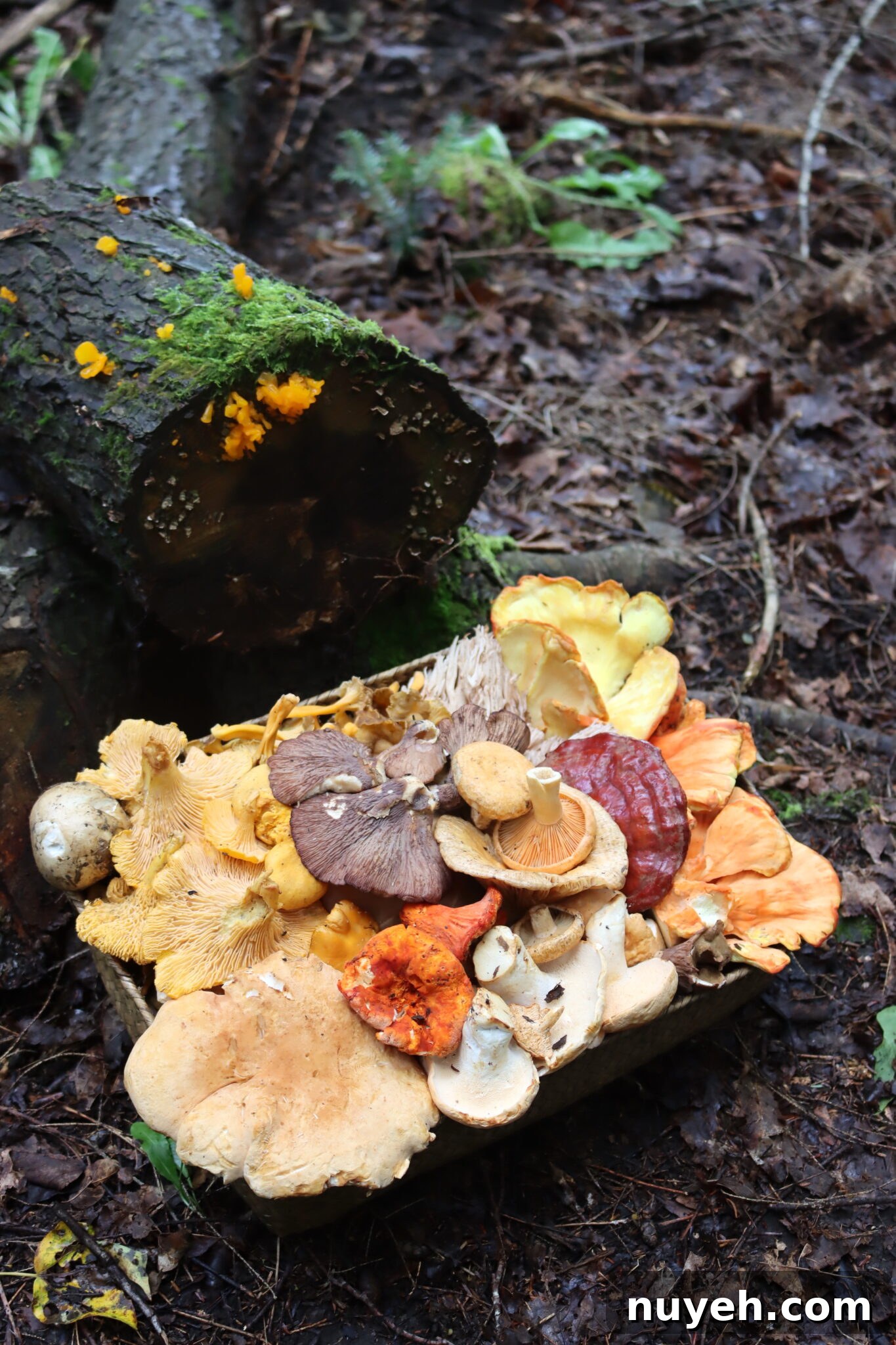
The following species are friendly options for newcomers. They are common, distinctive, and rewarding to collect with a bit of practice.
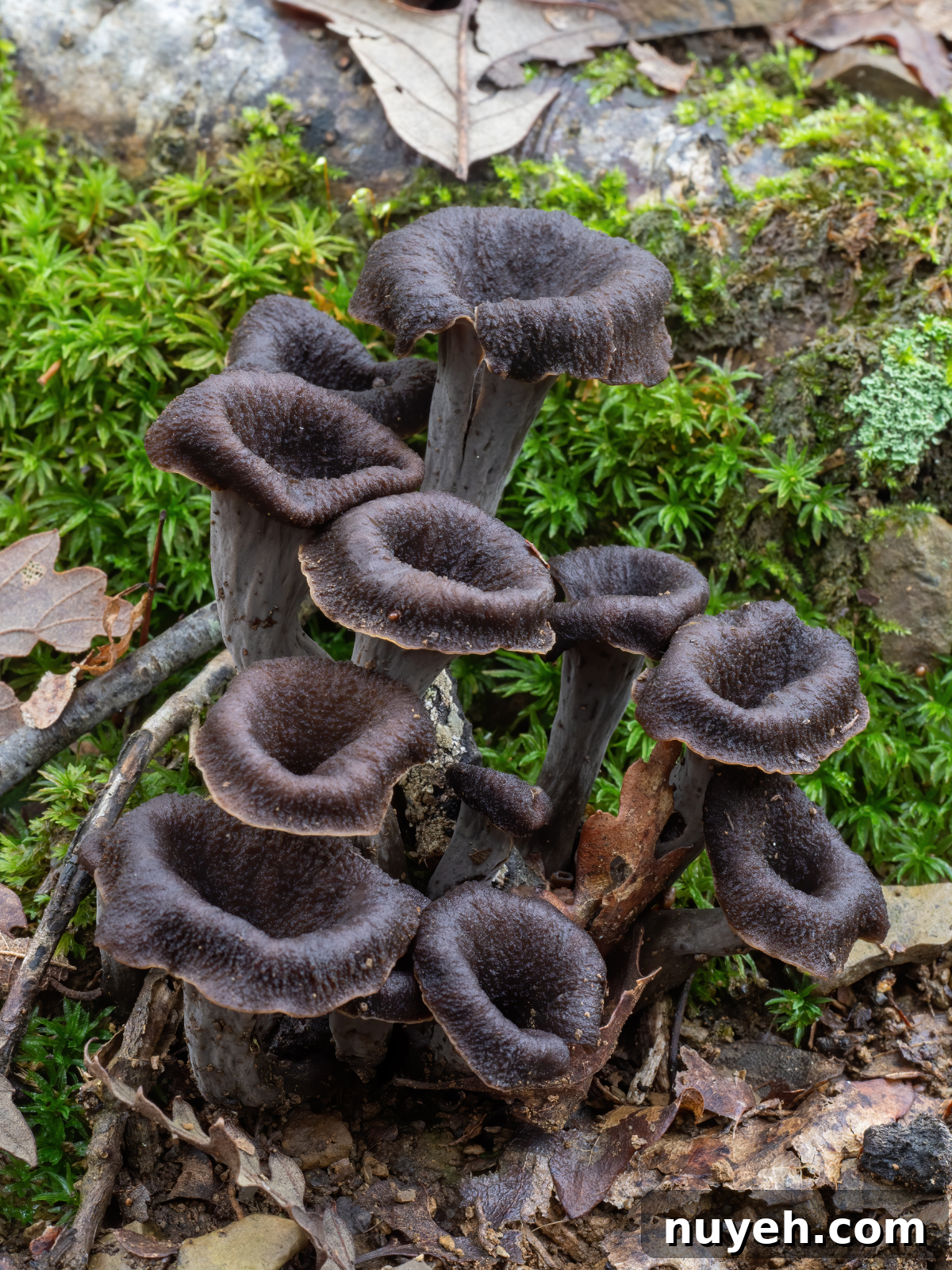
Black Trumpet Mushrooms (Craterellus cornucopioides)
Black trumpets are dark and may be hard to spot among leaf litter, but their smoky, nutty flavor makes them a prized edible. They dry well, which concentrates their taste. These mushrooms have few or no close lookalikes, making them a good choice for beginners.
Great uses include cream sauces, pasta, and pairing with steak or roasted vegetables.
- Identifying Black Trumpet Mushrooms
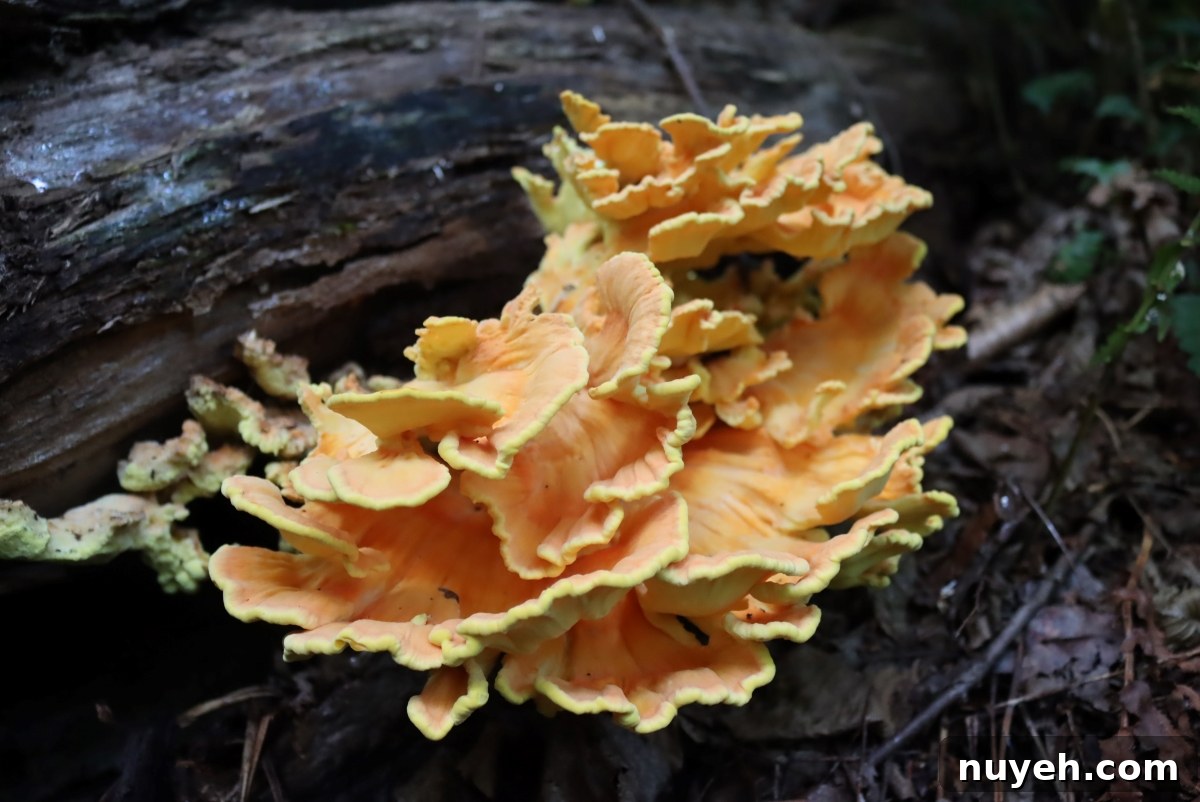
Chicken of the Woods (Laetiporus sulphureus)
Chicken of the Woods is one of the classic beginner species—bright orange and yellow, growing in overlapping shelves on dead wood. Its texture and flavor can resemble cooked chicken when fried, making it a popular vegan meat substitute.
There are few close lookalikes, and many foragers prize it for both flavor and ease of identification.
- Identifying Chicken of the Woods
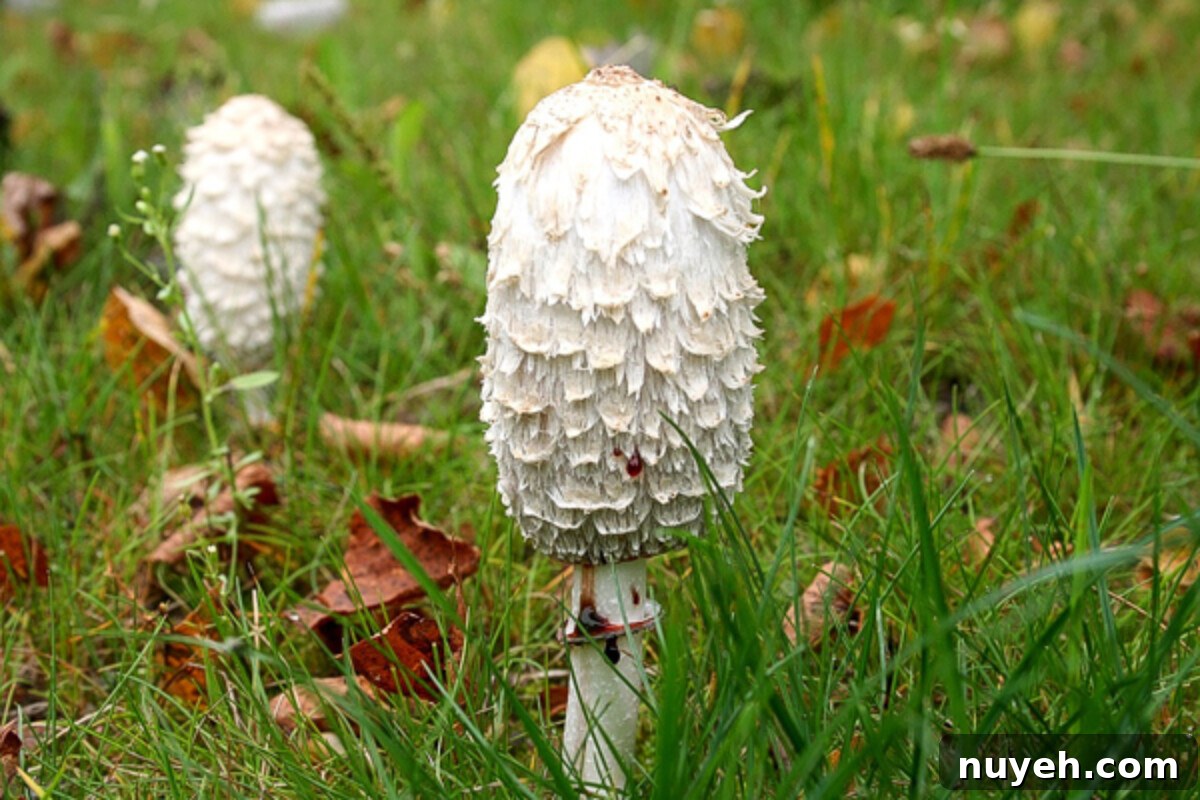
Shaggy Mane Mushrooms (Coprinus comatus)
Shaggy manes have a shaggy, scaly cap that makes them easy to recognize. They’re often common in lawns, parks, and roadsides, so urban foragers can find them easily. Cooked, they can break down and add a rich, dark color and flavor to dishes like risotto.
- Identifying Shaggy Mane Mushrooms
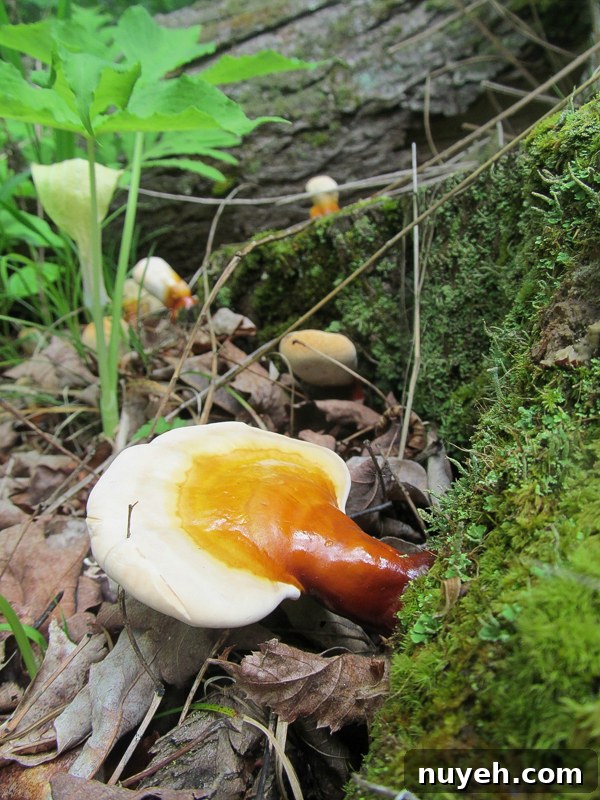
Reishi Mushrooms (Ganoderma spp.)
Reishi are distinctive shelf fungi that grow on dead or dying trees. While too tough to eat fresh, they are prized in herbalism and are commonly used to make tinctures and extracts.
- Identifying Reishi Mushrooms
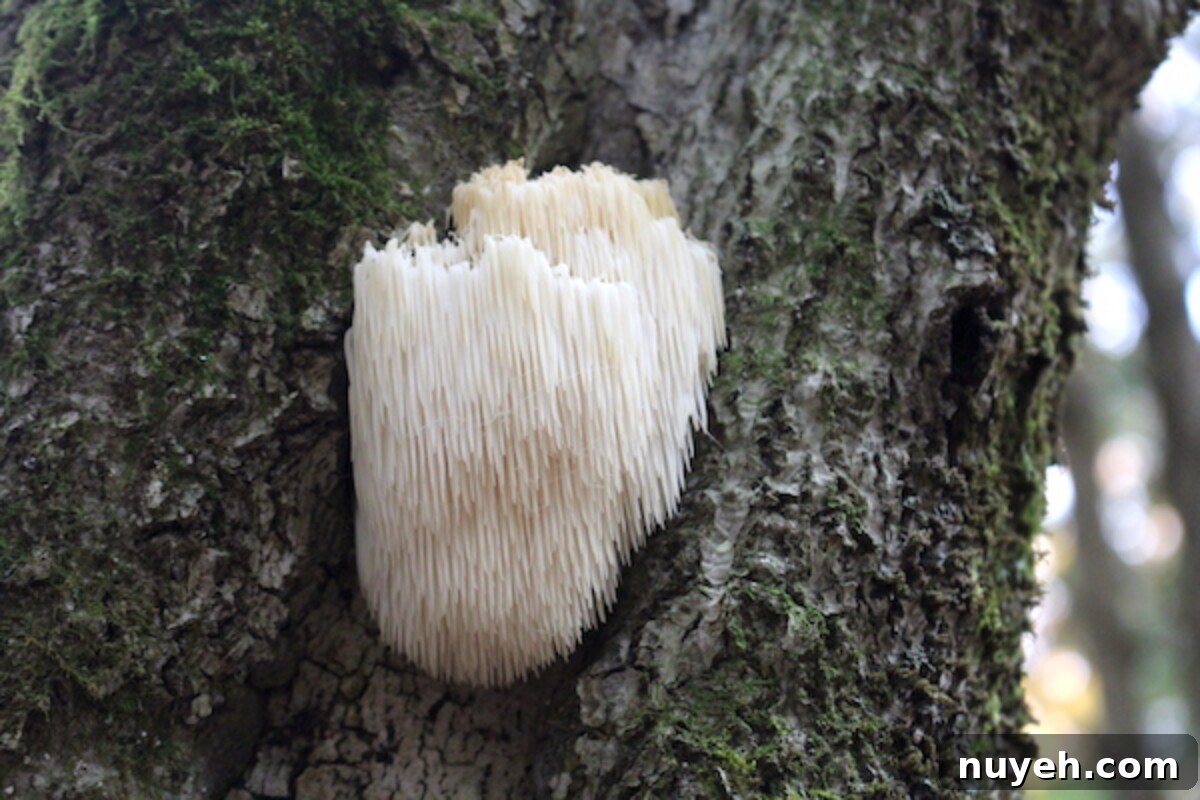
Lion’s Mane Mushrooms (Hericium erinaceus)
Lion’s mane are white, cascading fungi that are easy to recognize and have a mild, seafood-like flavor. They grow on dead or dying hardwoods and, while often listed as a fall species, can appear in late summer as well.
- Identifying Lion’s Mane
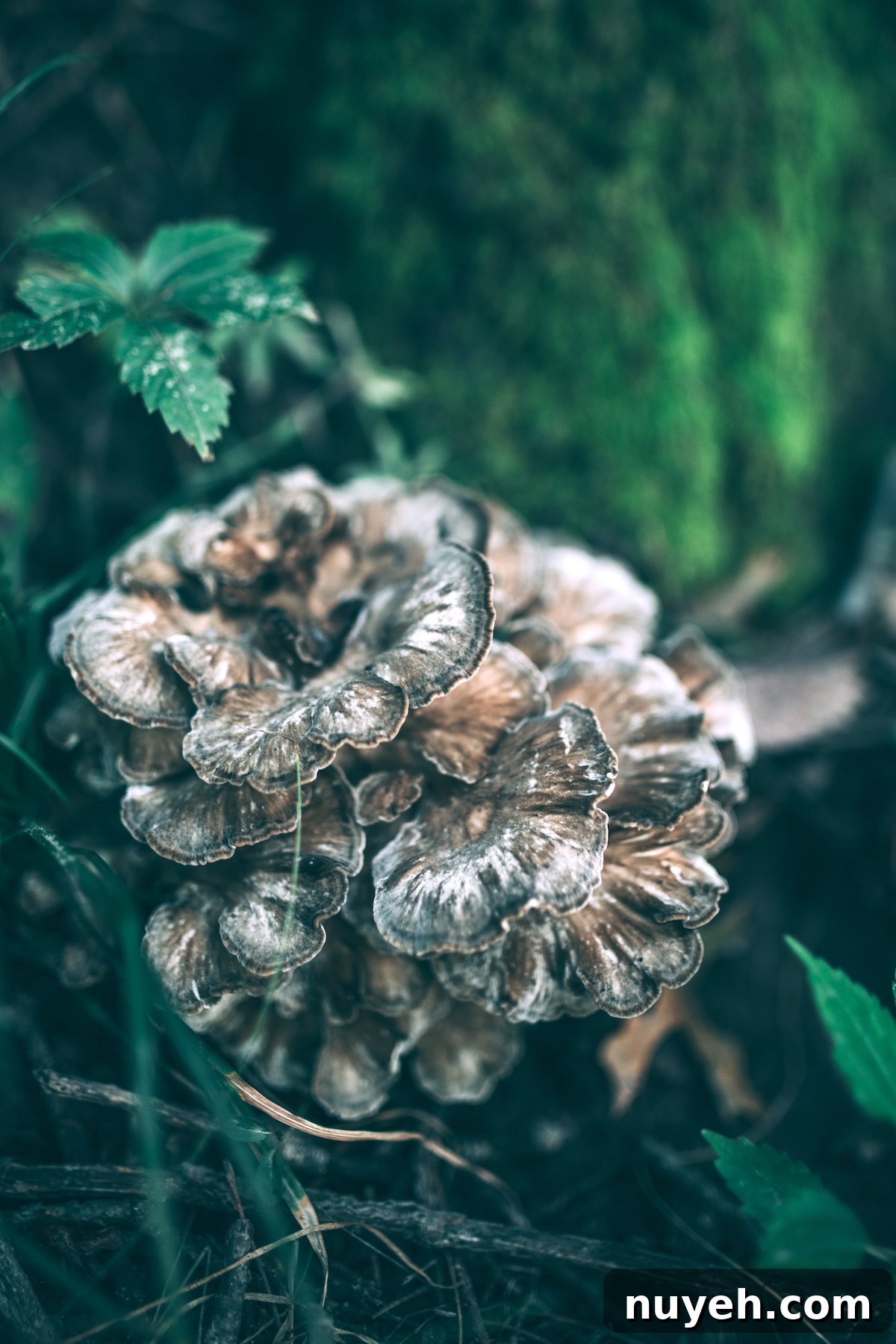
Maitake Mushrooms (Grifola frondosa)
Maitake, or hen-of-the-woods, is a flavorful, shelf-like mushroom that is usually a fall species but can appear in late summer in warmer regions. Look for it at the base of mature hardwoods, especially old oaks.
- Identifying Maitake Mushrooms
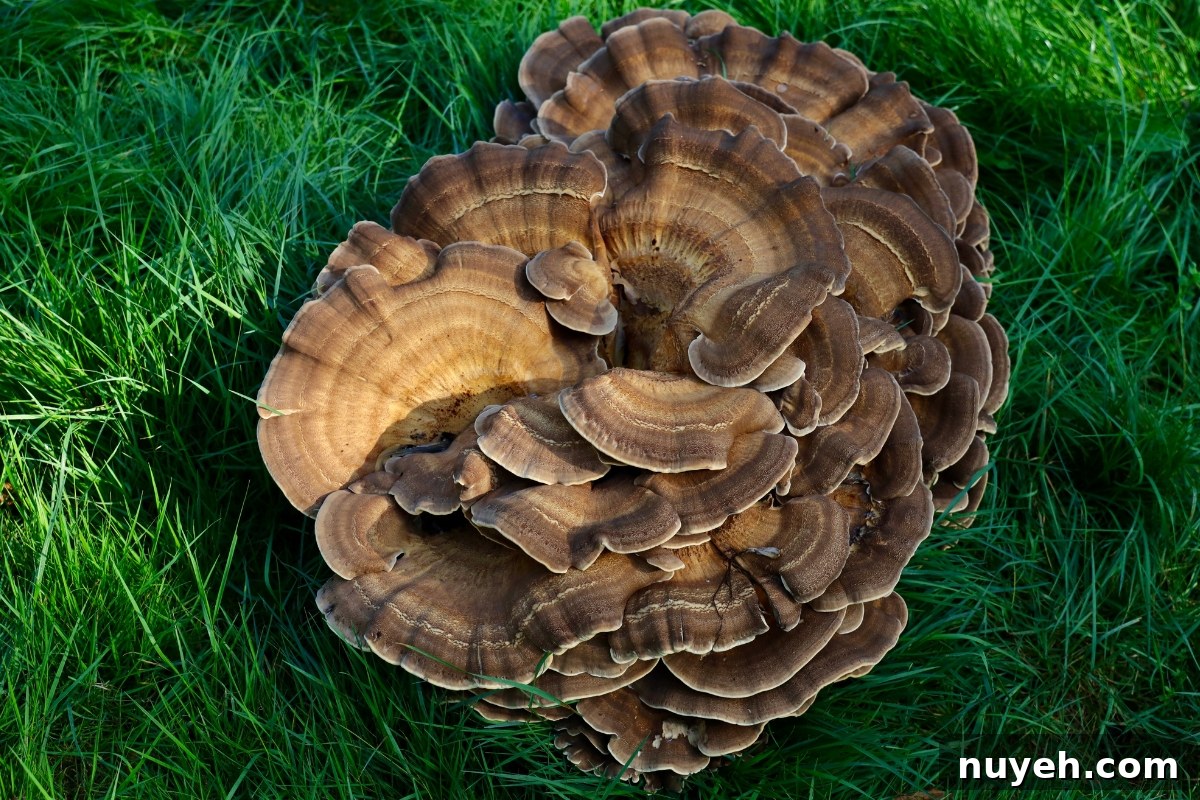
Black Staining Polypore (Meripilus sumstinei)
Sometimes called rooster-of-the-woods, this polypore forms overlapping clusters at the base of hardwoods. The flesh often bruises black, and while most of the mushroom is leathery, the thin outer portion can be tender when cooked. It makes a rich stock or powder for seasoning.
- Identifying Black-Staining Polypore
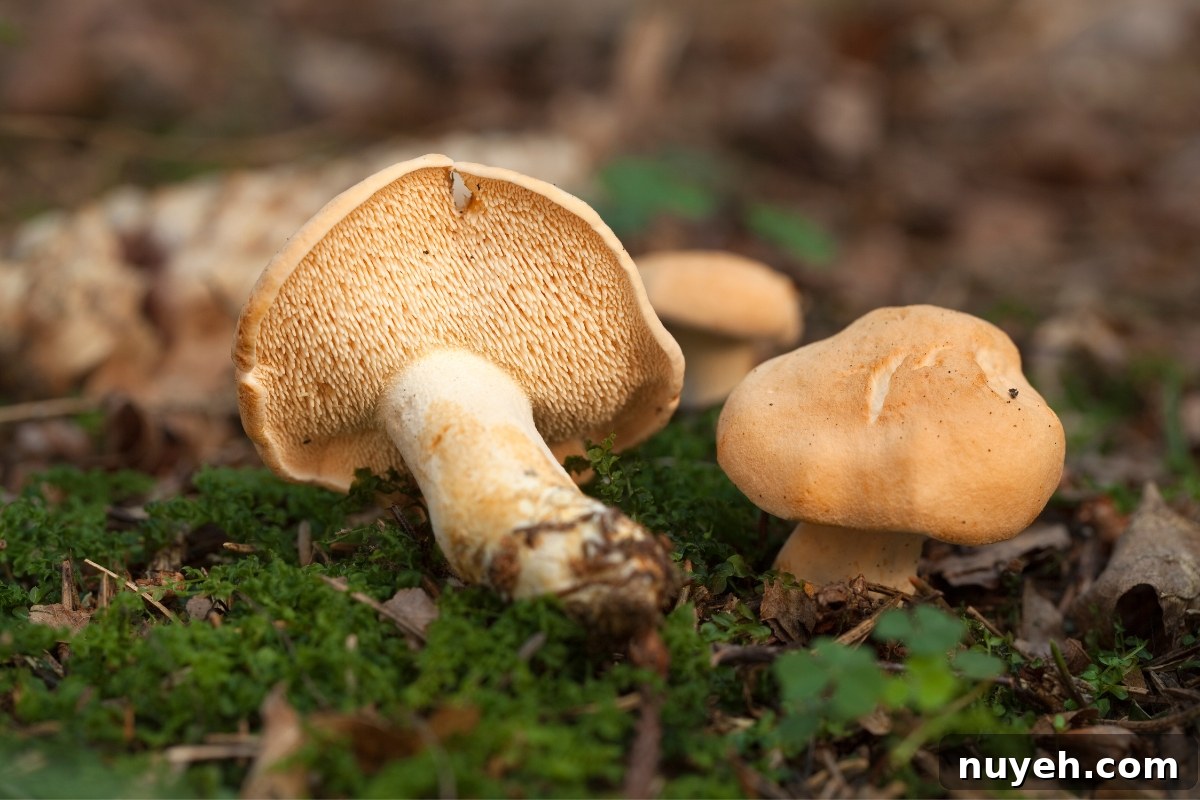
Hedgehog Mushrooms (Hydnum repandum)
Hedgehogs are easy to spot because of their tooth-like spines under the cap instead of gills. They have a pleasant, subtle flavor and are versatile in soups, omelets, pasta, or simply sautéed as a side.
- Identifying Hedgehog Mushrooms
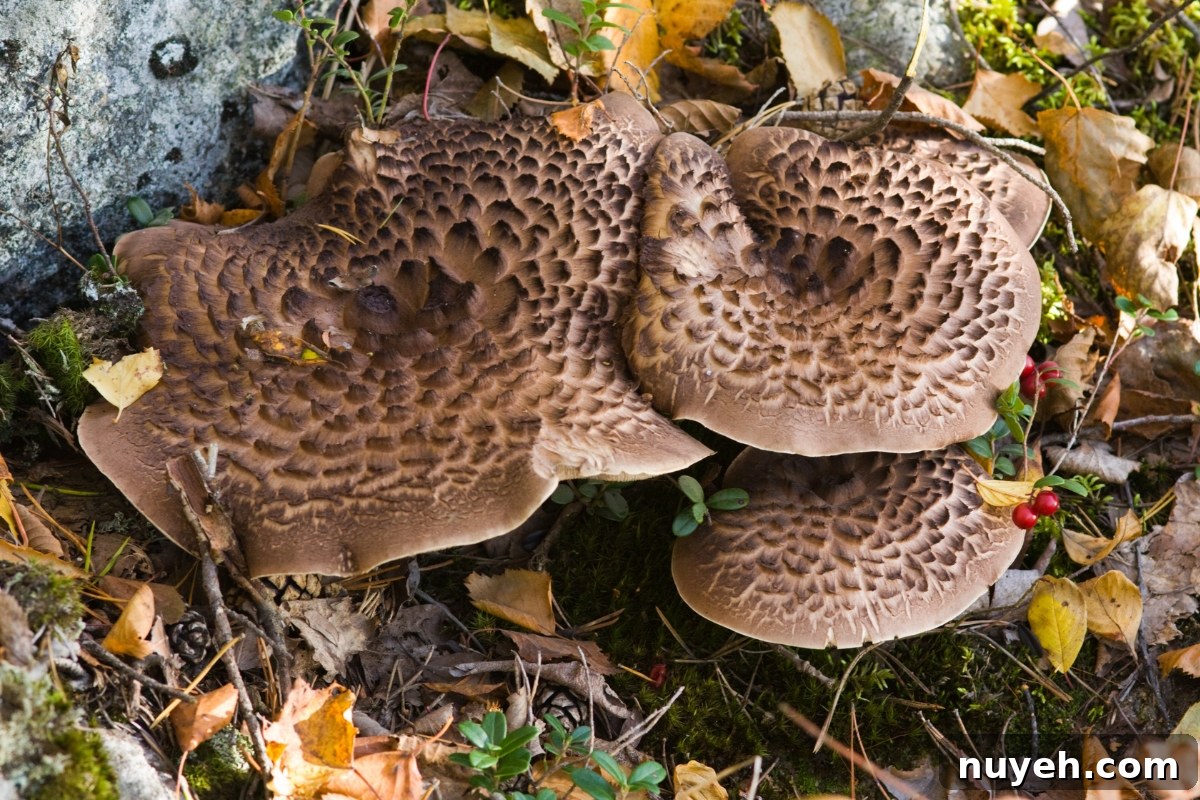
Hawks Wing Mushroom or Scaly Hedgehog (Sarcodon imbricatus)
Scaly hedgehogs have brown, scaly caps and tooth-like spines. They often grow beneath conifers like spruce and pine. Opinions on flavor vary—some find them bitter, others enjoy them fried or in pasta recipes.
- Identifying Scaly Hedgehog Mushrooms
Witches Butter (Tremella mesenterica)
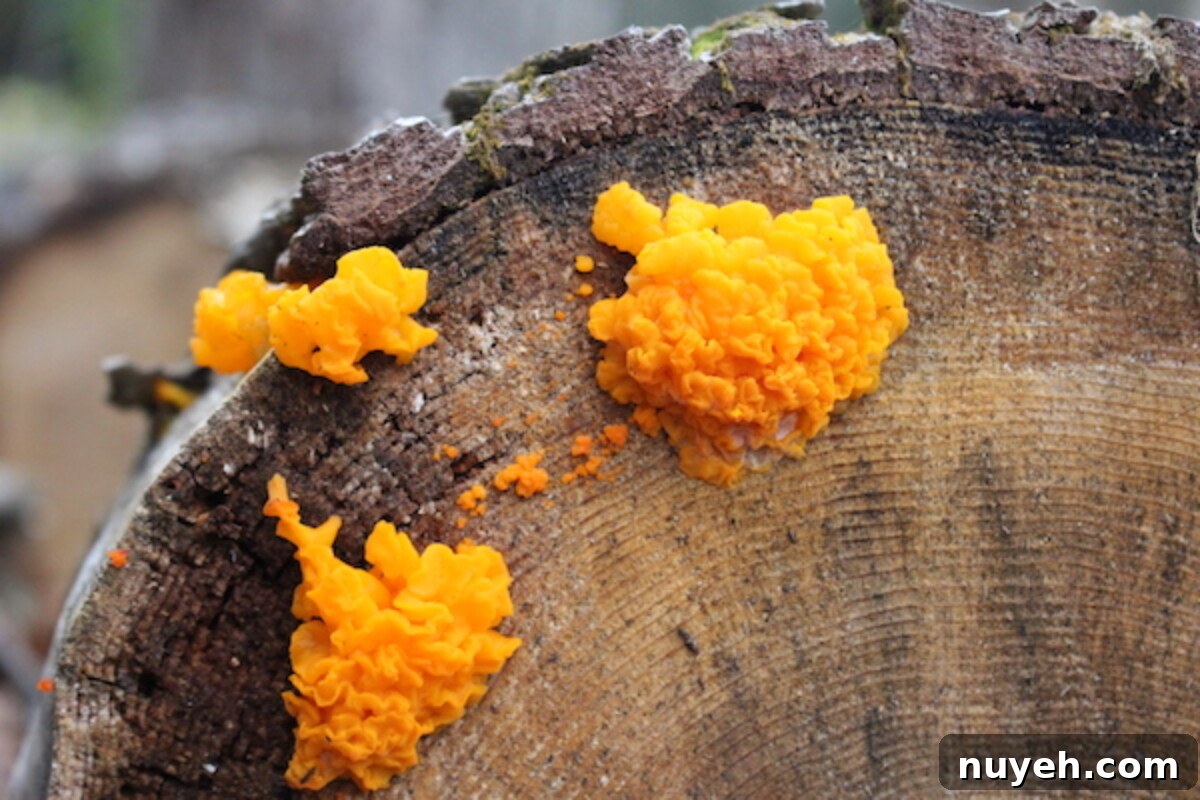
Witches butter is a jelly fungus that can appear any time the wood is moist. Found on decaying logs, it’s used medicinally in some traditions, most commonly for respiratory support, and is simple to spot after heavy rain.
- Identifying Witches Butter
Summer Mushrooms for Intermediate Foragers
These species require a bit more care to identify. A few have toxic lookalikes, but with practice you can learn the key differences.
Chanterelles (Cantharellus spp.)
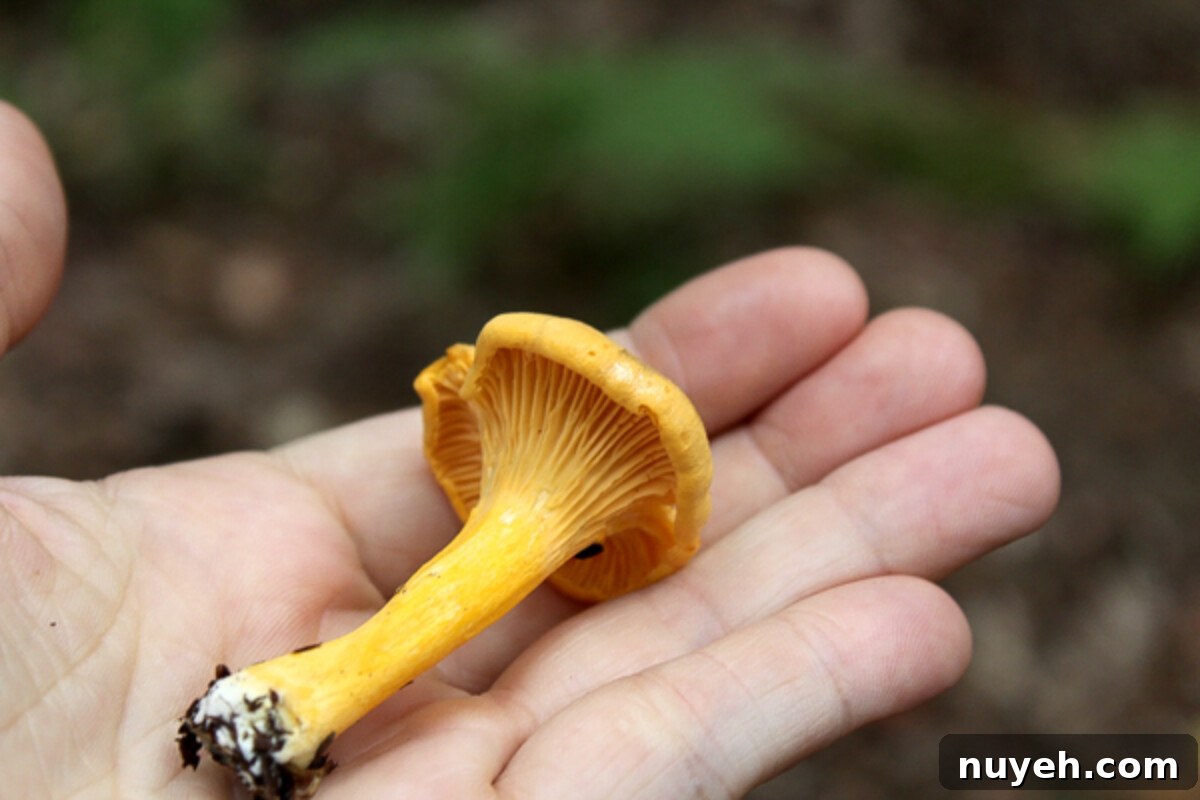
Chanterelles are highly sought after for their apricot-like aroma and fruity, peppery flavor. They won’t grow in cultivation reliably, so foraging is the only way to enjoy them. Be aware of toxic lookalikes such as the jack-o’-lantern mushroom and learn the distinguishing features.
- Identifying Chanterelle Mushrooms
Puffball Mushrooms
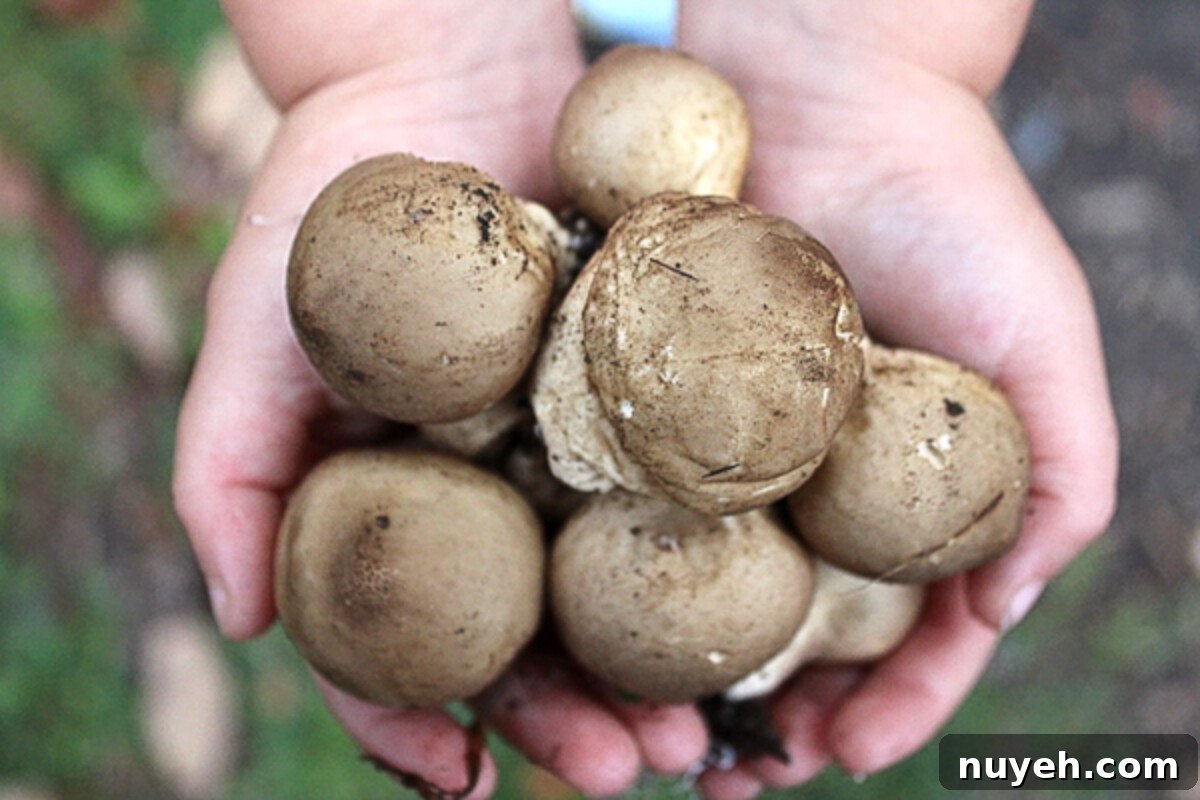
Puffballs come in many edible species and one famous giant species. Some toxic lookalikes exist, so proper identification is essential. Edible puffballs can be sliced, fried, dried into powder, or used as a meat substitute.
- Identifying Puffball Mushrooms
Dryad’s Saddle (Cerioporus squamosus)
Also called pheasant’s back, this tan, scaly polypore grows on logs. Small specimens are tender and great sautéed; large individuals are better for broth or stock.
- Identifying Dryad’s Saddle
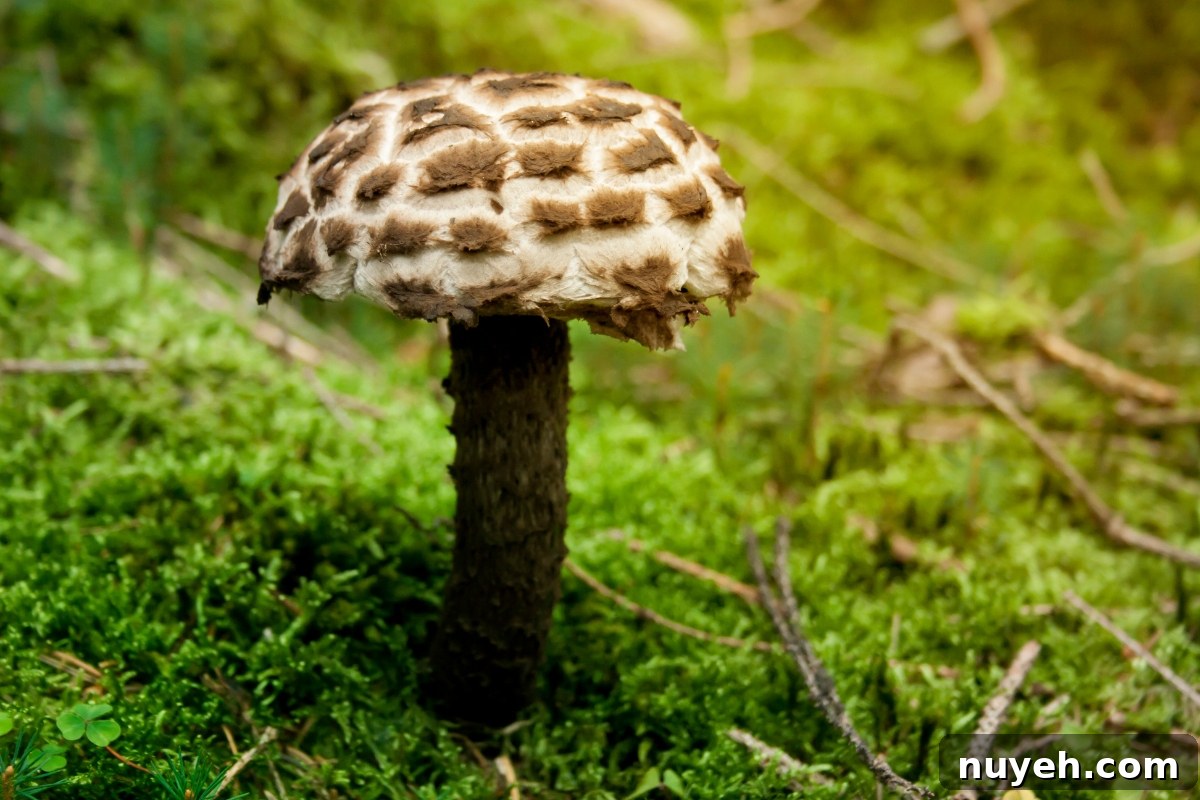
Old Man of the Woods (Strobilomyces strobilaceus)
Old man of the woods is notable for its dark, scaly cap and easy recognition. Flavor opinions vary, but it’s common and simple to spot in both deciduous and coniferous forests.
- Identifying Old Man of the Woods
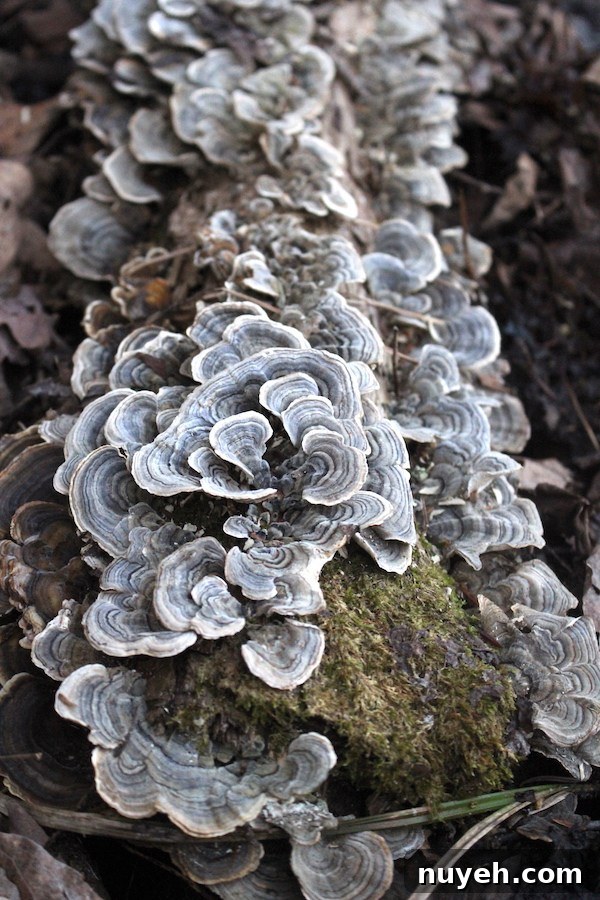
Turkey Tail Mushrooms (Trametes versicolor)
Turkey tail forms thin, multi-banded shelves on dead wood and can be found year-round. Too tough to eat, they are commonly used for tinctures and other herbal preparations.
- Identifying Turkey Tail Mushrooms
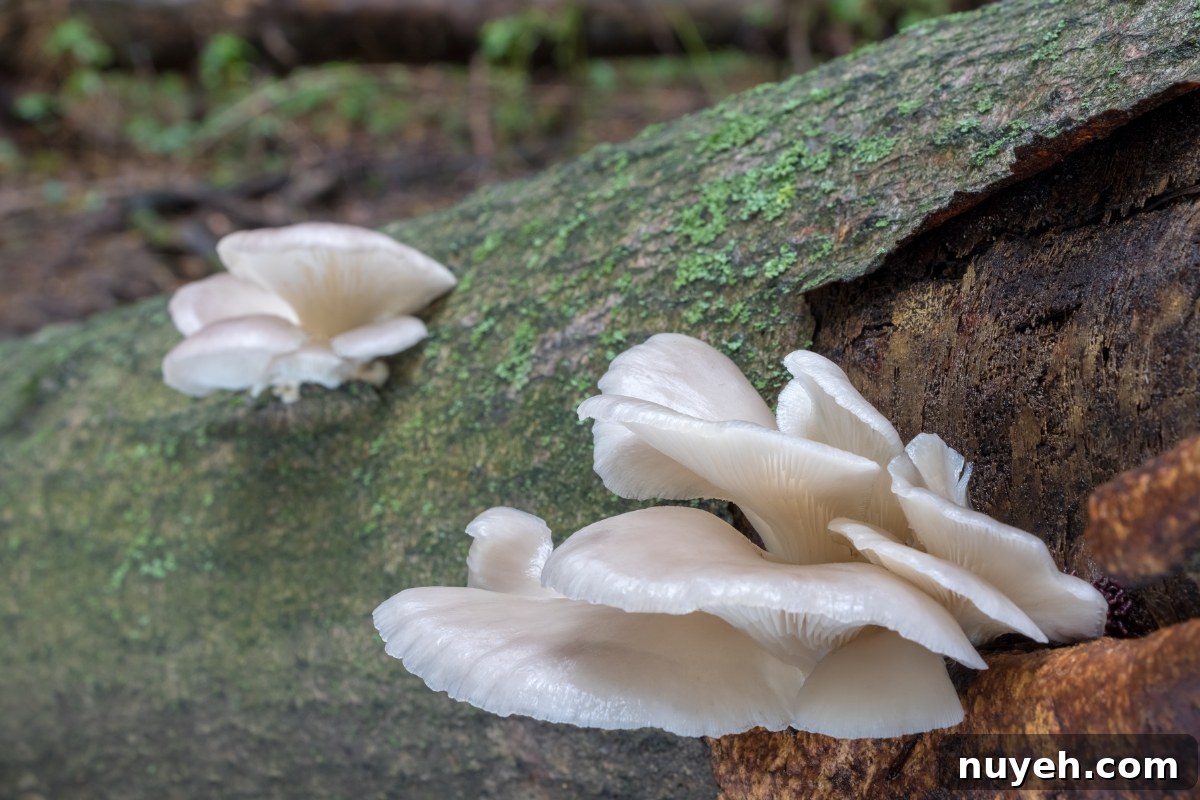
Summer Oyster Mushrooms (Pleurotus pulmonarius)
Summer oysters have pearly caps and grow in clusters on hardwoods. They are meaty, protein-rich, and work well pan-fried as a main or as an addition to pasta and salads.
- Identifying Oyster Mushrooms
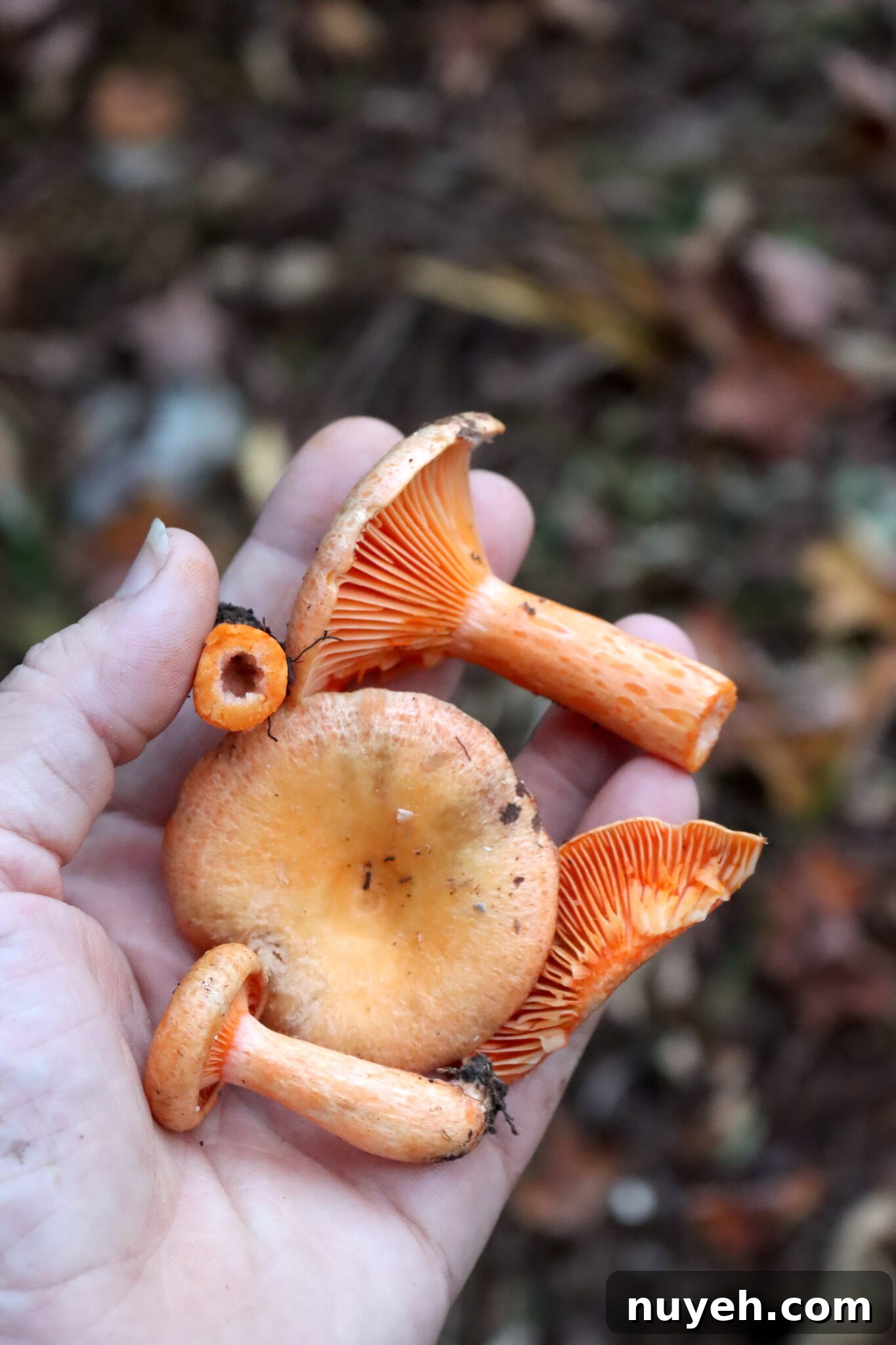
Saffron Milk Caps (Lactarius deliciosus)
Saffron milk caps are flavorful orange mushrooms often associated with pine forests and typically fruit after rain. They are popular in many traditional dishes and worth seeking out in suitable habitats.
- Identifying Saffron Milk Caps
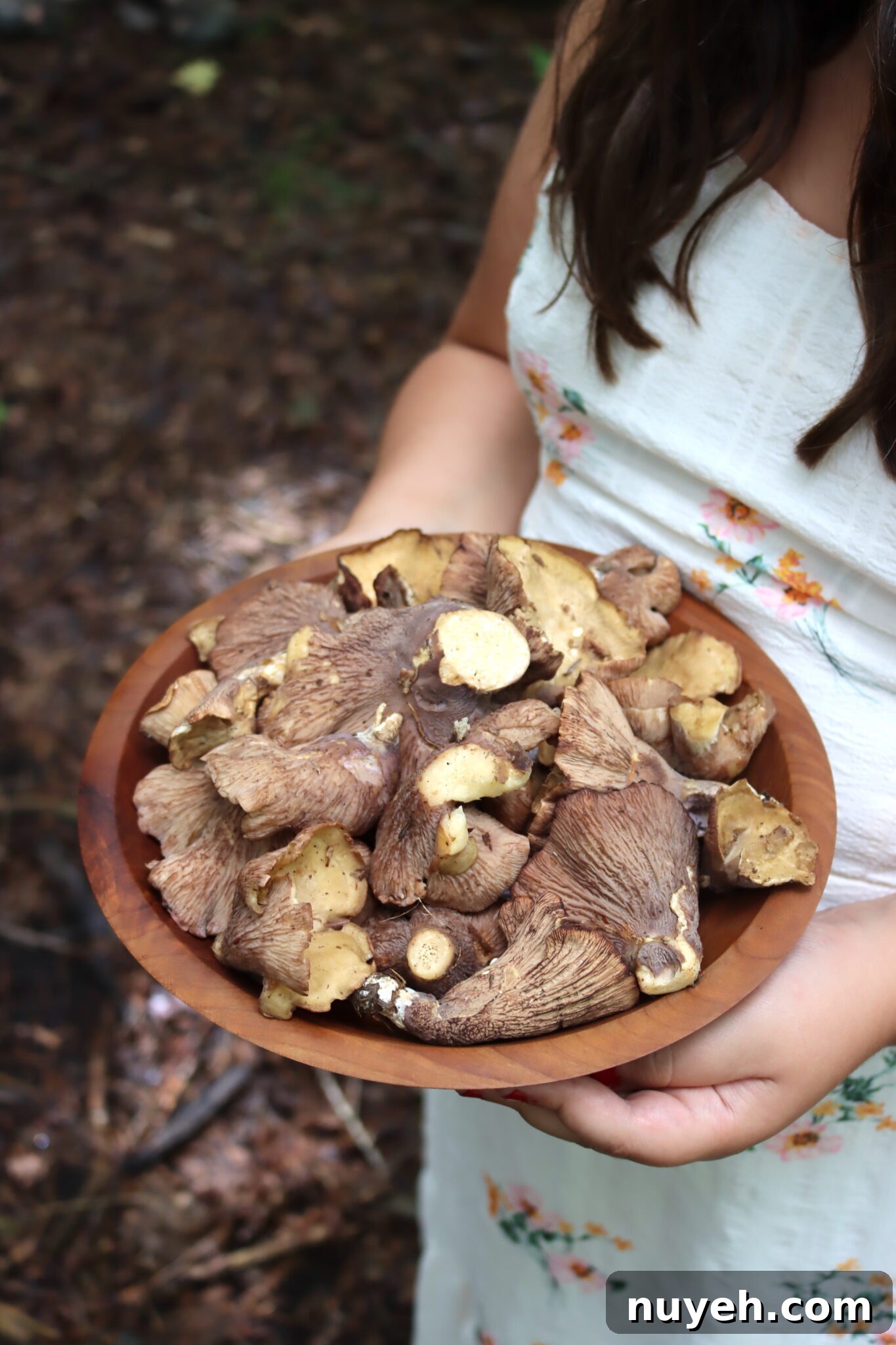
Pigs Ear Mushrooms (Gomphus clavatus)
Pigs ear mushrooms are associated with older forests and are noted for their purple tones and distinct flavor. They can be less common than other species, so harvest them respectfully where they occur.
- Identifying Pigs Ear Mushrooms
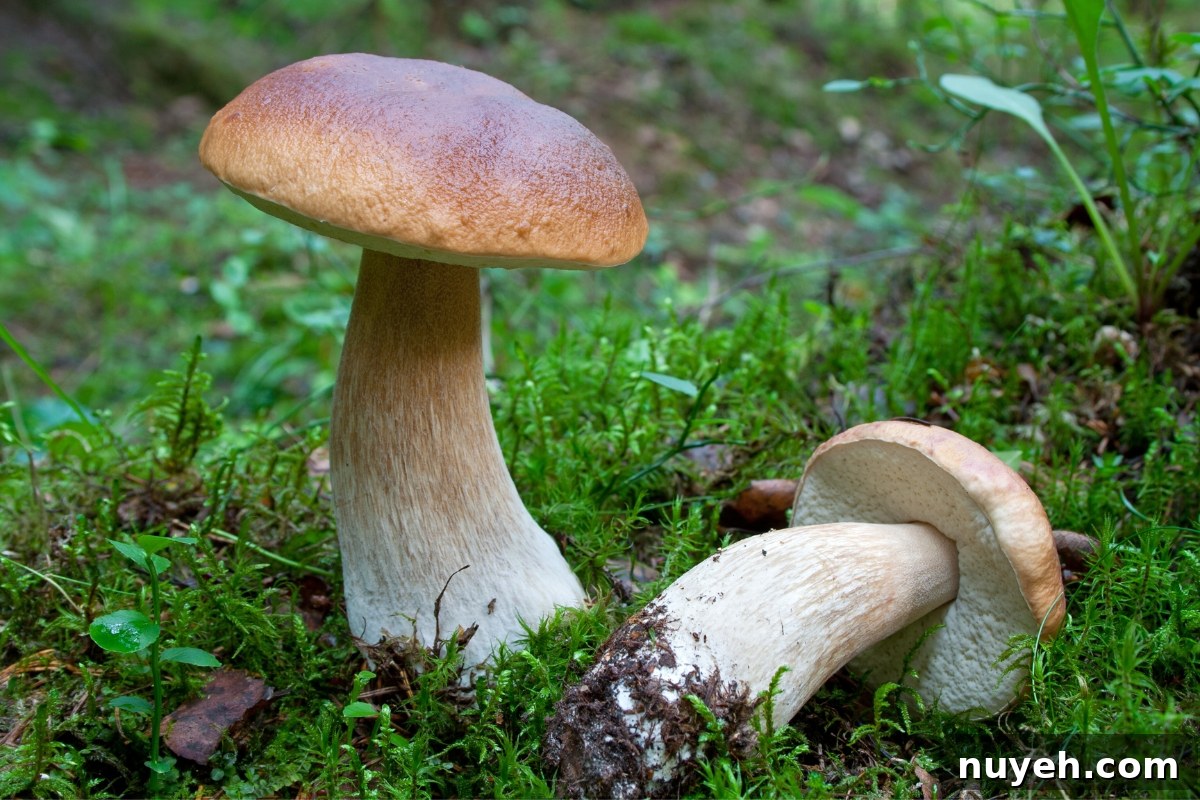
Boletes (Boletus spp.)
Boletes are a diverse group with many delicious species, including large king boletes. They typically grow on the forest floor and are popular among foragers, though some boletes are inedible or toxic, so proper identification is necessary.
- Identifying Boletes
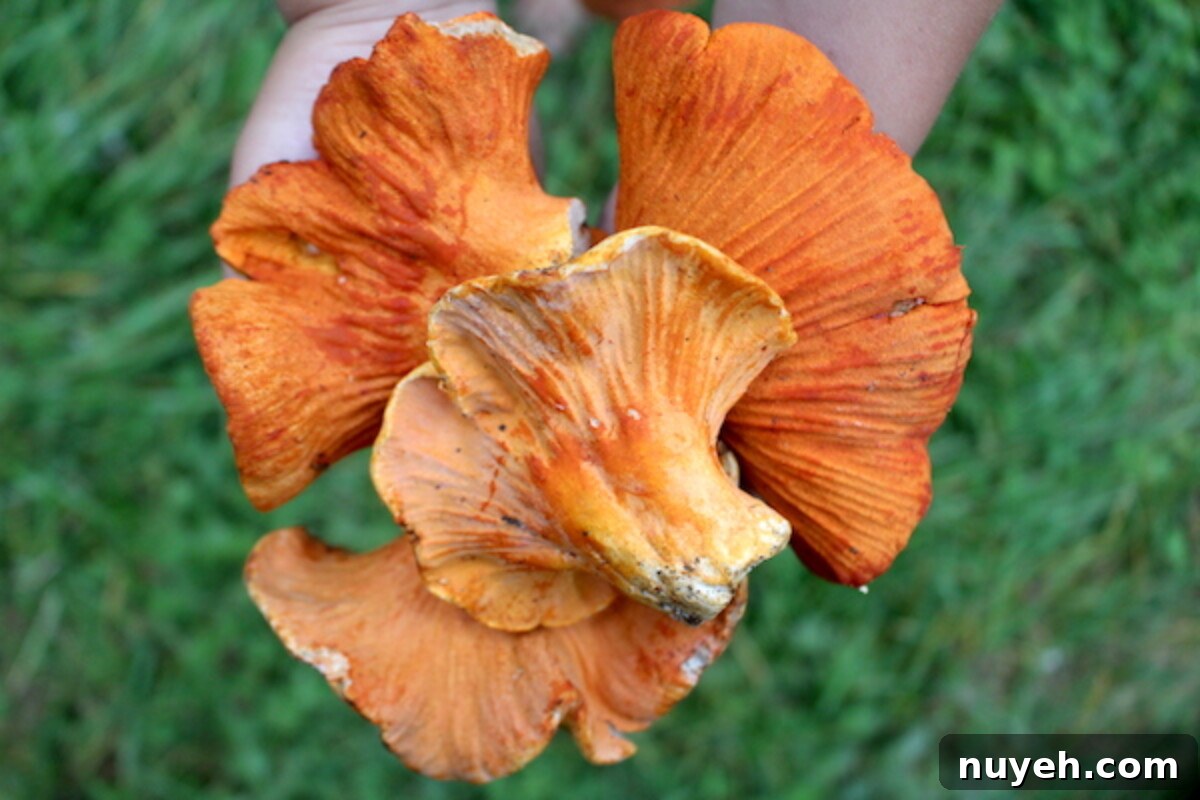
Lobster Mushrooms (Hypomyces lactifluorum)
Lobster mushrooms are the result of a parasitic fungus that colonizes other mushrooms, transforming their color and texture into a firm, orange-red fruiting body with a seafood-like flavor. The transformation makes them distinctive and sought after.
- Identifying Lobster Mushrooms
Beefsteak Mushrooms (Fistulina hepatica)
Beefsteak mushrooms resemble raw meat in appearance but have a tangy, unique flavor and sometimes a gelatinous texture. They grow near the bases of trees and can be eaten raw or cooked in many preparations.
- Identifying Beefsteak Mushrooms
Wood Ear Mushrooms (Auricularia sp.)
Wood ears are brown, translucent, ear-shaped fungi that often fruit on dead branches year-round. They are popular in many cuisines for their texture and ability to absorb flavors from soups and stews.
- Identifying Wood Ear Mushrooms
Weeping Milk Cap (Lactifluus volemus)
Weeping milk caps exude a milky latex when damaged and often have a distinct fishy or cheesy smell. Despite these traits, many people enjoy their meaty flavor after cooking. They grow in mixed woodlands and occasionally under conifers.
- Identifying Weeping Milk Cap
Mushrooms for Advanced Foragers (Not for Beginners!)
The mushrooms below require advanced identification skills or careful preparation. Some have deadly lookalikes or contain toxins that need specific handling. Only use them if you are certain of your identification and methods.
Honey Mushrooms (Armillaria mellea)
Honey mushrooms can be challenging to identify and prepare but are worthwhile to learn. They are notable ecologically (large networks can span vast areas) and have a sweet, pleasant flavor when properly cooked.
- Identifying Honey Mushrooms
Agaricus Mushrooms (Agaricus spp.)
The Agaricus group includes familiar button mushrooms and prized wild members like the prince mushroom. Some Agaricus species have toxic lookalikes, so learning the distinguishing features is critical.
- Identifying Agaricus Mushrooms
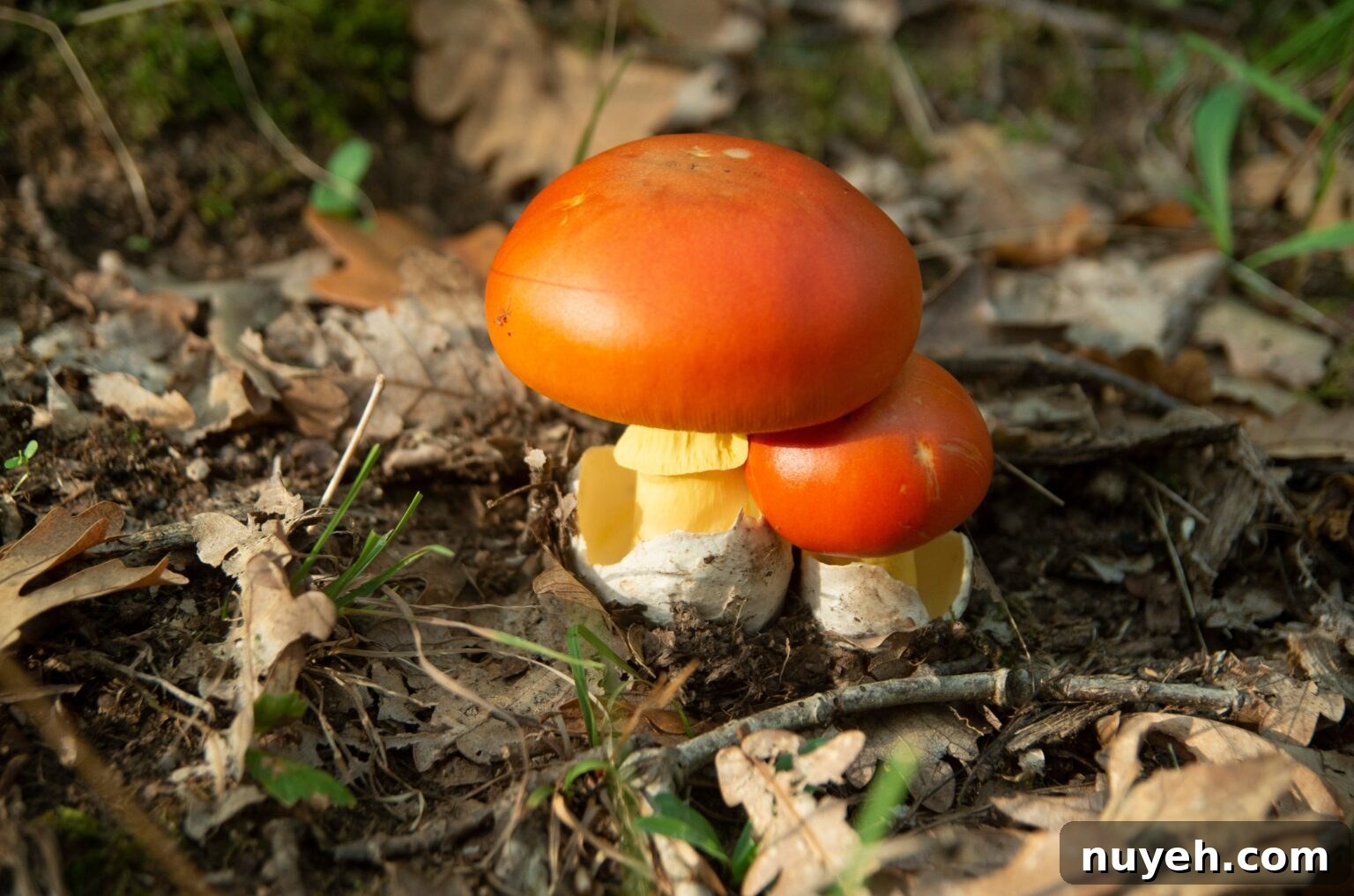
Caesar’s Mushrooms (Amanita caesarea)
Caesar’s mushrooms are historically prized for their texture and flavor, but they require confident identification because of dangerous Amanita lookalikes. Only experienced foragers should collect them for eating.
- Identifying Caesar’s Mushroom
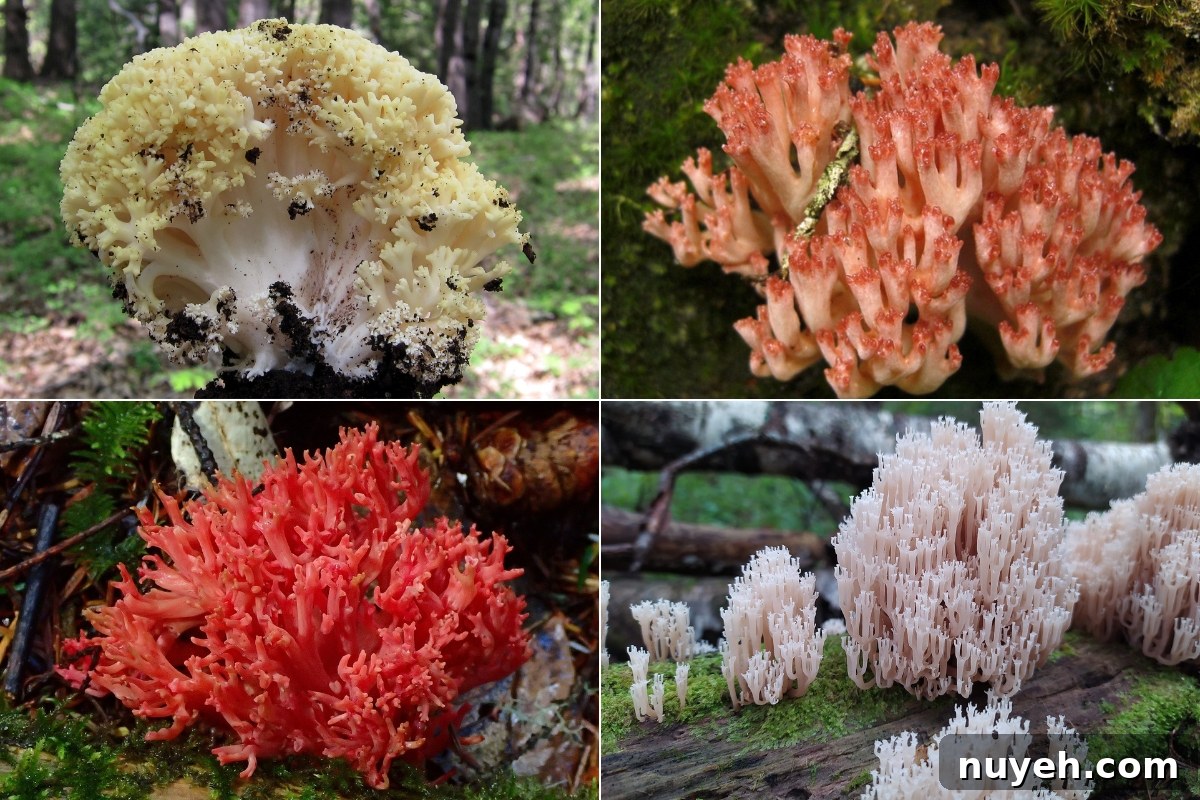
Coral Mushrooms (Clavariaceae spp.)
Coral fungi are attractive and can be tasty, but species vary widely and some are inedible. Because identification can be tricky, they are better left to those with experience.
- Identifying Coral Mushrooms
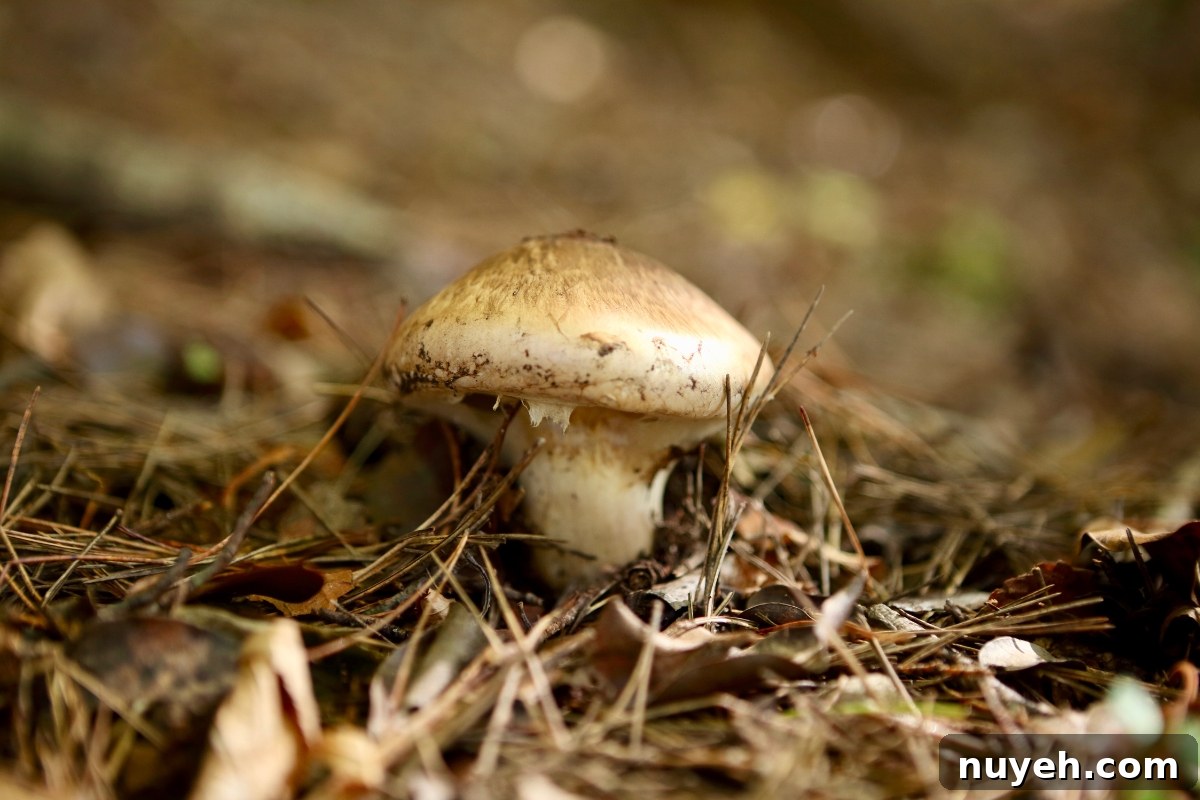
Matsutake (Tricholoma matsutake)
Matsutake are highly prized for their distinctive aroma and flavor and form mycorrhizal relationships with trees, especially pines. They can be challenging to identify and prepare correctly, so they suit advanced foragers.
- Identifying Matsutake
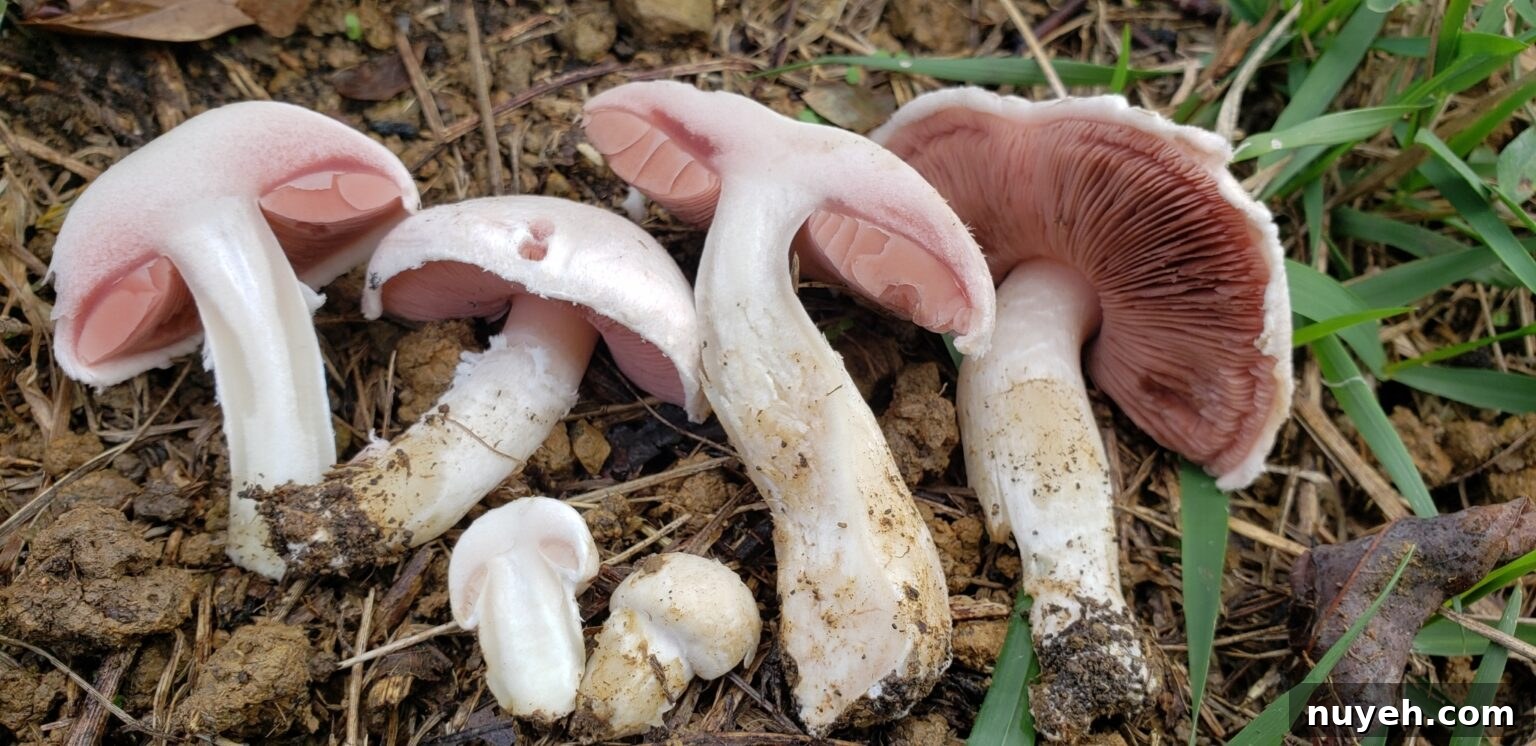
Deer Mushrooms (Pluteus spp.)
Deer mushrooms are mild but widespread, sometimes appearing even in urban settings. They’re easy to overlook but can complement stronger flavors in the kitchen.
- Identifying Deer Mushrooms
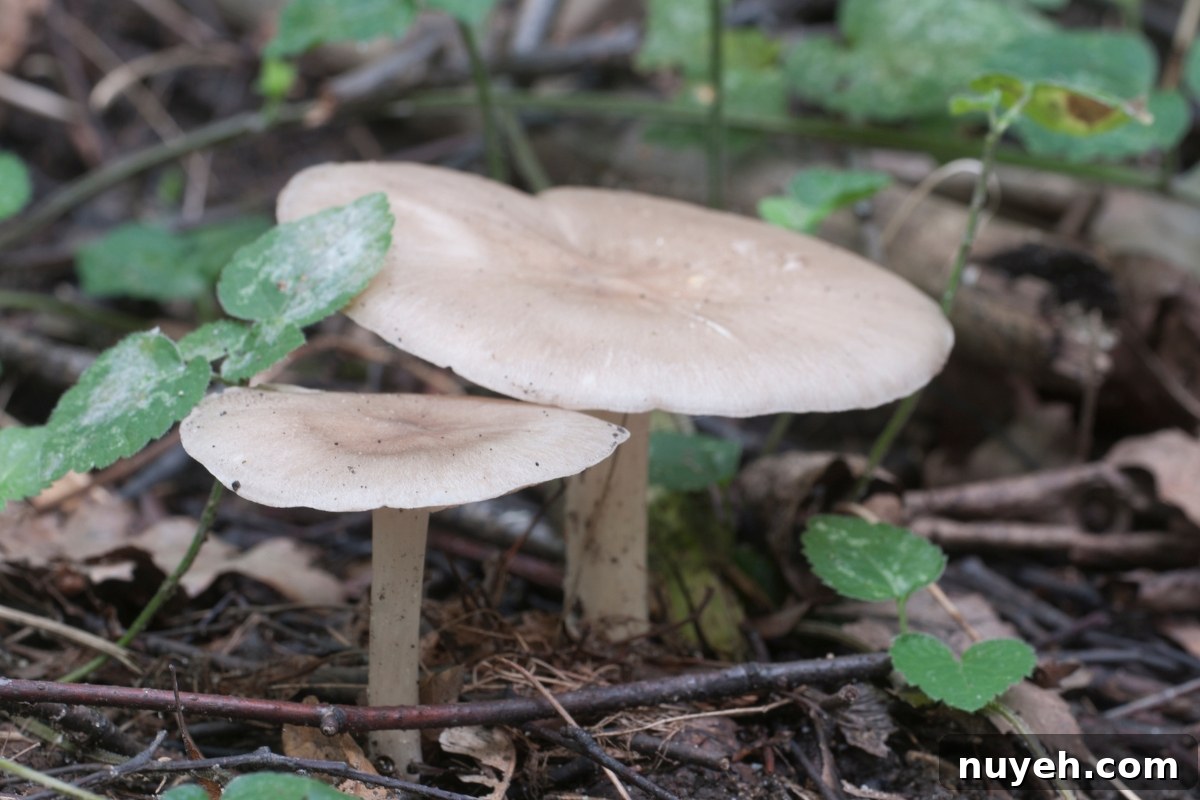
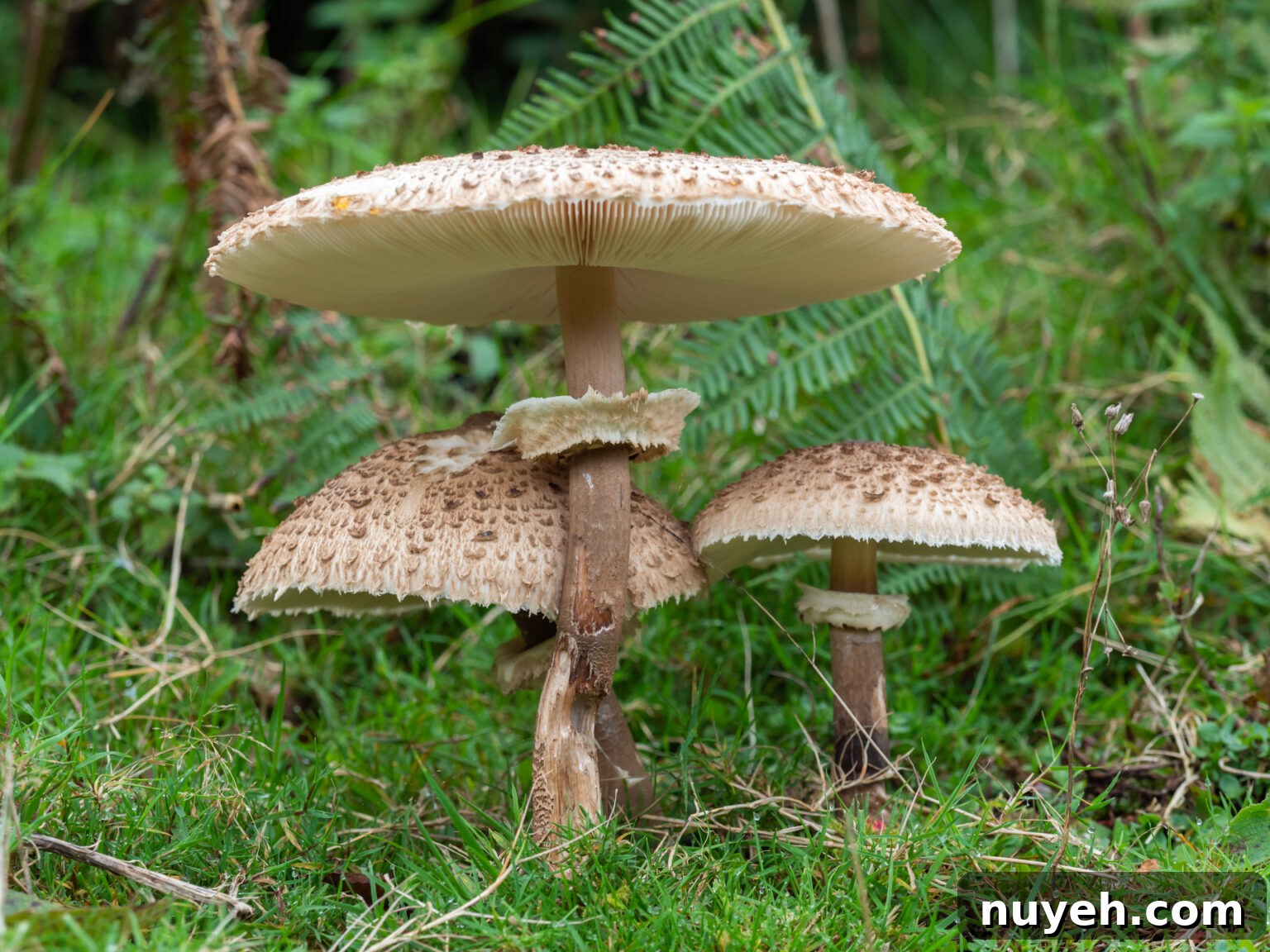
Parasol Mushrooms (Macrolepiota procera)
Parasol mushrooms grow in open areas like pastures and lawns. They have a nutty flavor but must be cooked properly and carefully identified because of toxic lookalikes.
- Identifying Parasol Mushrooms
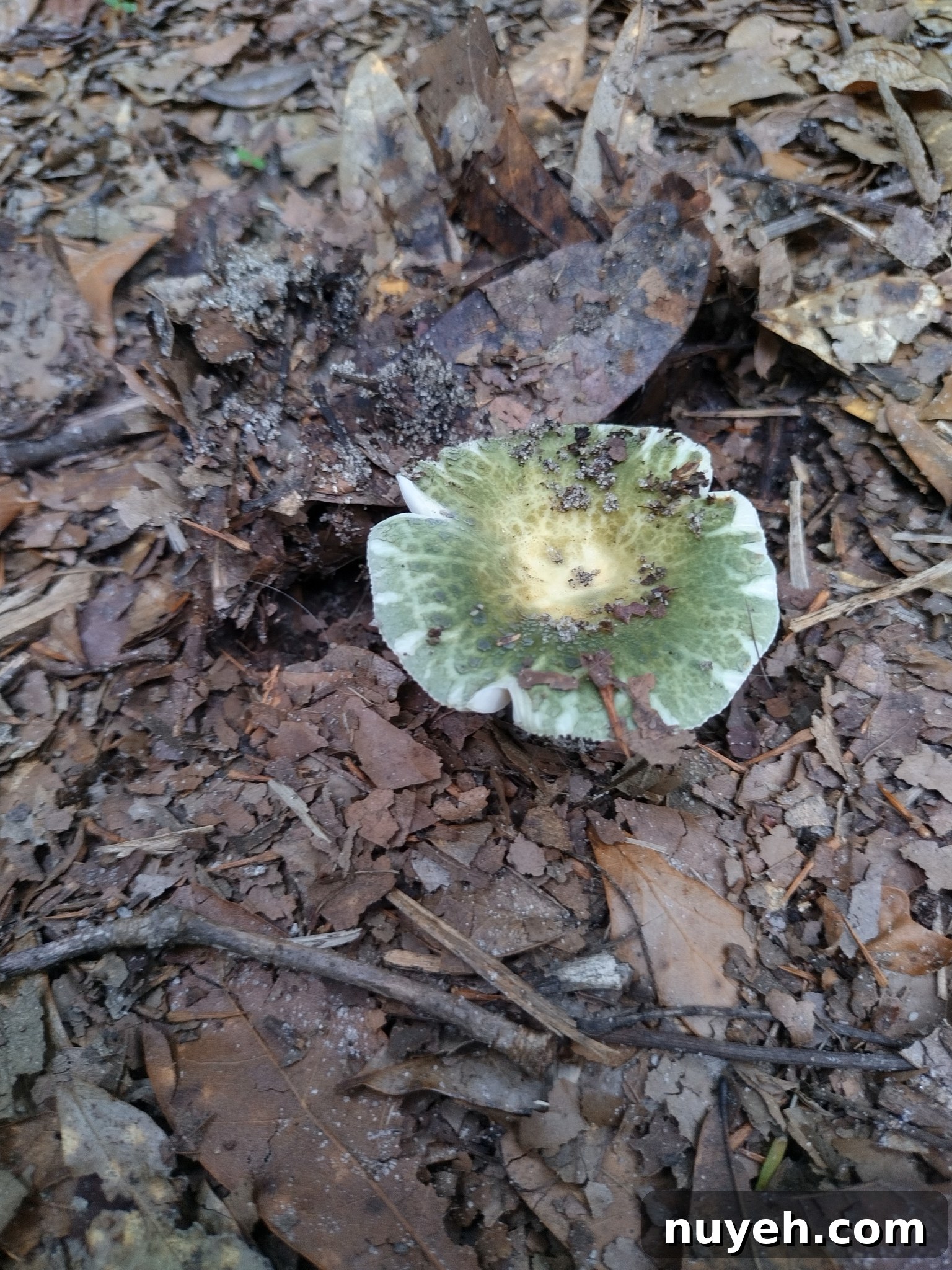
Russula Mushrooms (Russula)
Russulas are a large group with both edible and inedible members. Identification can be difficult, but some species are appreciated for drying and cooking.
- Identifying Edible Russula Mushrooms
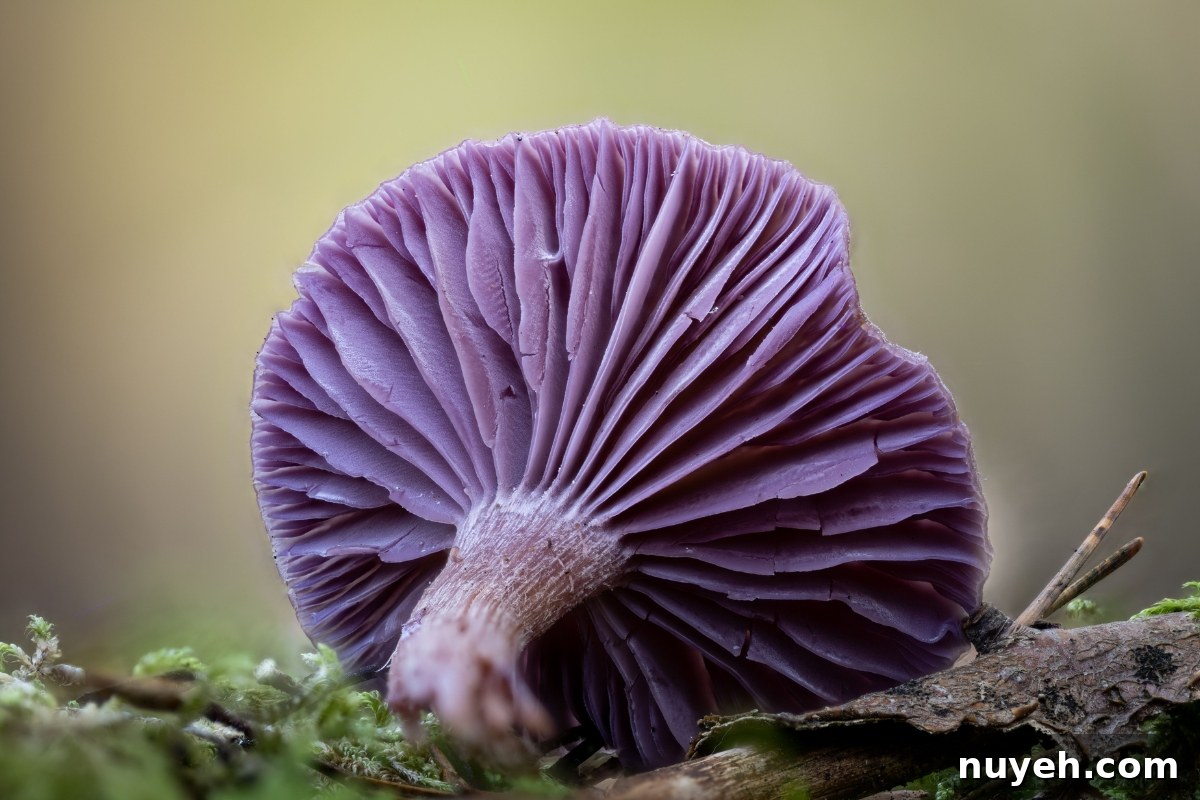
Amethyst Deceiver (Laccaria amethystina)
Amethyst deceivers are small, striking purple mushrooms when young. They are edible but usually collected only by those who enjoy their color and subtle flavor; stems are often too tough to eat.
- Identifying Amethyst Deceivers
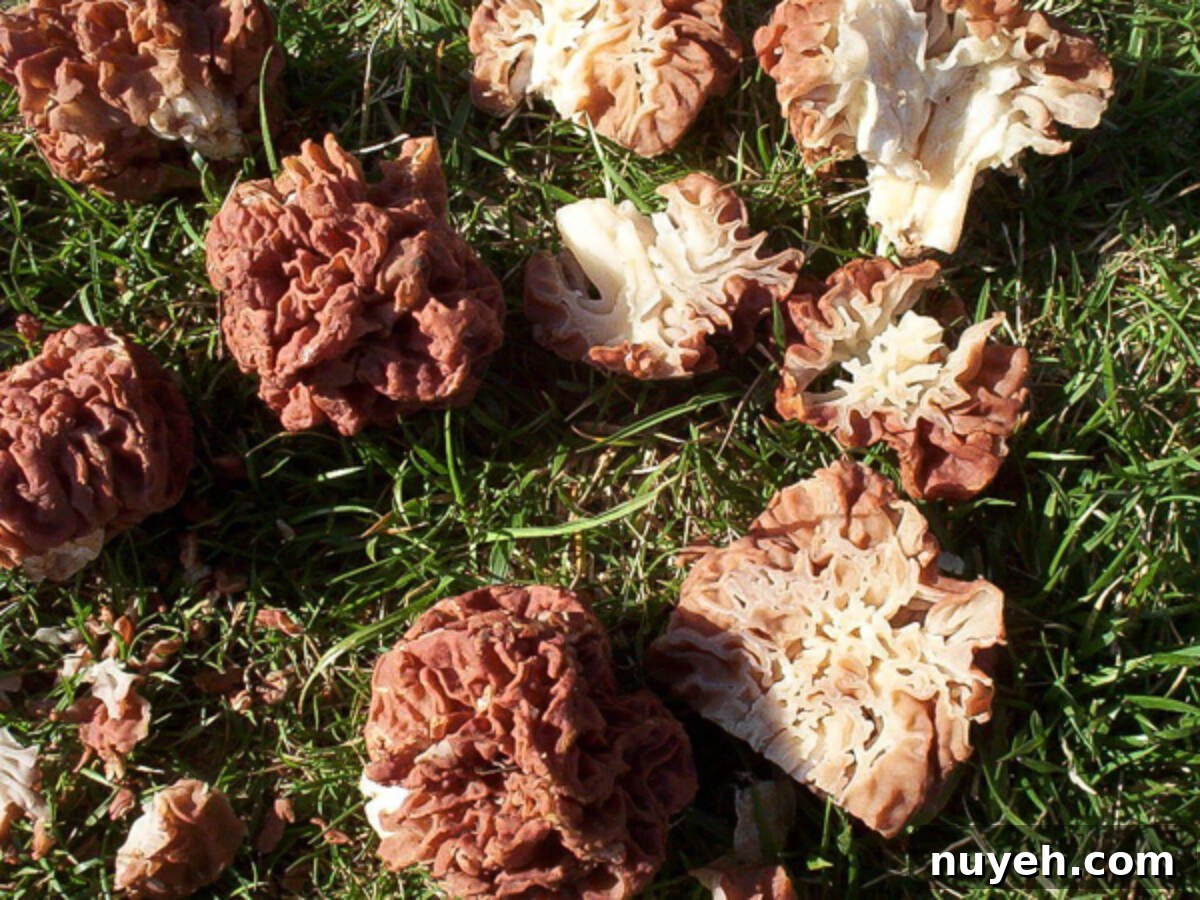
False Morels (Gyromitra spp.)
False morels can contain toxic compounds and are treated with extreme caution. Although some cultures prepare them through blanching and other methods, these mushrooms can be hazardous and are generally avoided by most foragers unless handled by an expert.
- Identifying False Morels
Mushroom Foraging Guides
If you want to explore more seasonal guides, consider looking for lists focused on spring, winter, and general edible wild mushrooms for beginners to expand your knowledge and planning.
- 20+ Mushrooms to Forage in Spring
- 16+ Mushrooms to Forage in Winter
- 13+ Edible Wild Mushrooms for Beginners