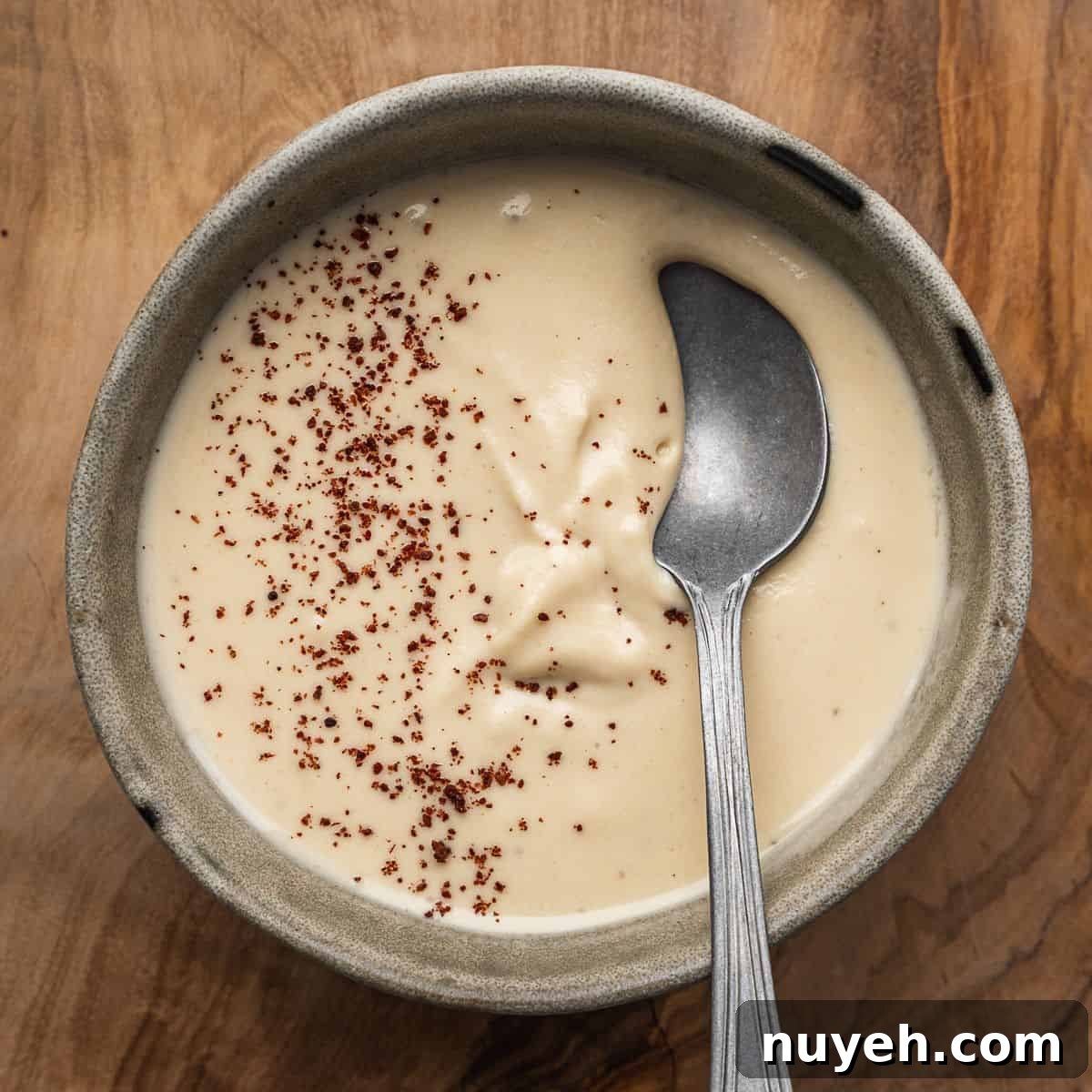
A classic Middle Eastern condiment, Lemon Tahini Sauce — also known as tarator — is a creamy, nutty dressing perfect for shawarma, grilled meats, falafels, roasted vegetables and grain bowls. It’s rich and velvety, yet bright from fresh lemon. Best of all, this versatile sauce comes together in under five minutes using only a handful of ingredients.
Try it as a finishing drizzle on beef or chicken kofta, folded into a shawarma wrap, or served as a dip with fresh vegetables and warm pita.
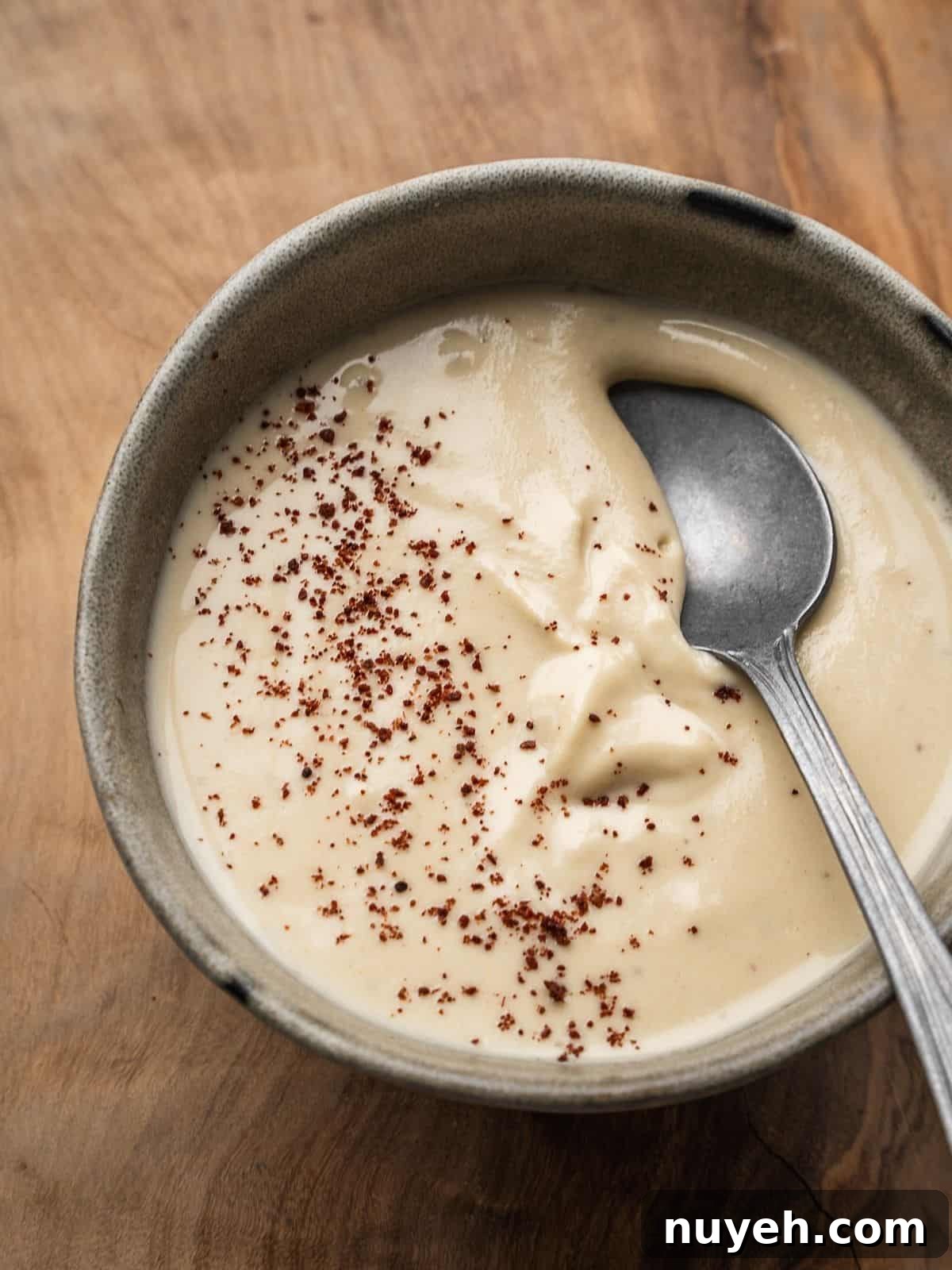
Table of Contents
- What is Tahini?
- Ingredients
- How to make this Homemade Tahini Sauce Recipe
- What is Tarator Sauce Used For?
- Expert Tips
- Recipe FAQs
- Other Sauces and Condiments
- How to Make Lemon Tahini Sauce (Authentic and Easy) Recipe
What is Tahini?
Tahini (pronounced t’heeneh in Arabic) is a smooth paste made from ground sesame seeds and is a staple across Middle Eastern and Mediterranean cuisines. It has a pale, creamy texture and a pronounced nutty flavor. While tahini on its own can taste somewhat bitter or dry from the jar, it becomes silky and balanced when mixed with acid, water and salt — which is why it’s so commonly used as a building block in sauces, dressings and dips.
Tahini works equally well in savory and sweet dishes. It’s the base for classics like hummus and mutabal (roasted eggplant dip), and is used to enrich warm chickpea stews, salads and dressings. In this recipe we keep the focus simple: lemon, tahini, salt and water to create a creamy sauce that complements countless dishes.
This sesame paste also makes an excellent addition to vinaigrettes, marinades and even baked goods when you want a richer, nuttier profile.
Ingredients
Only a few good-quality ingredients are needed to make bright, flavorful tahini sauce.
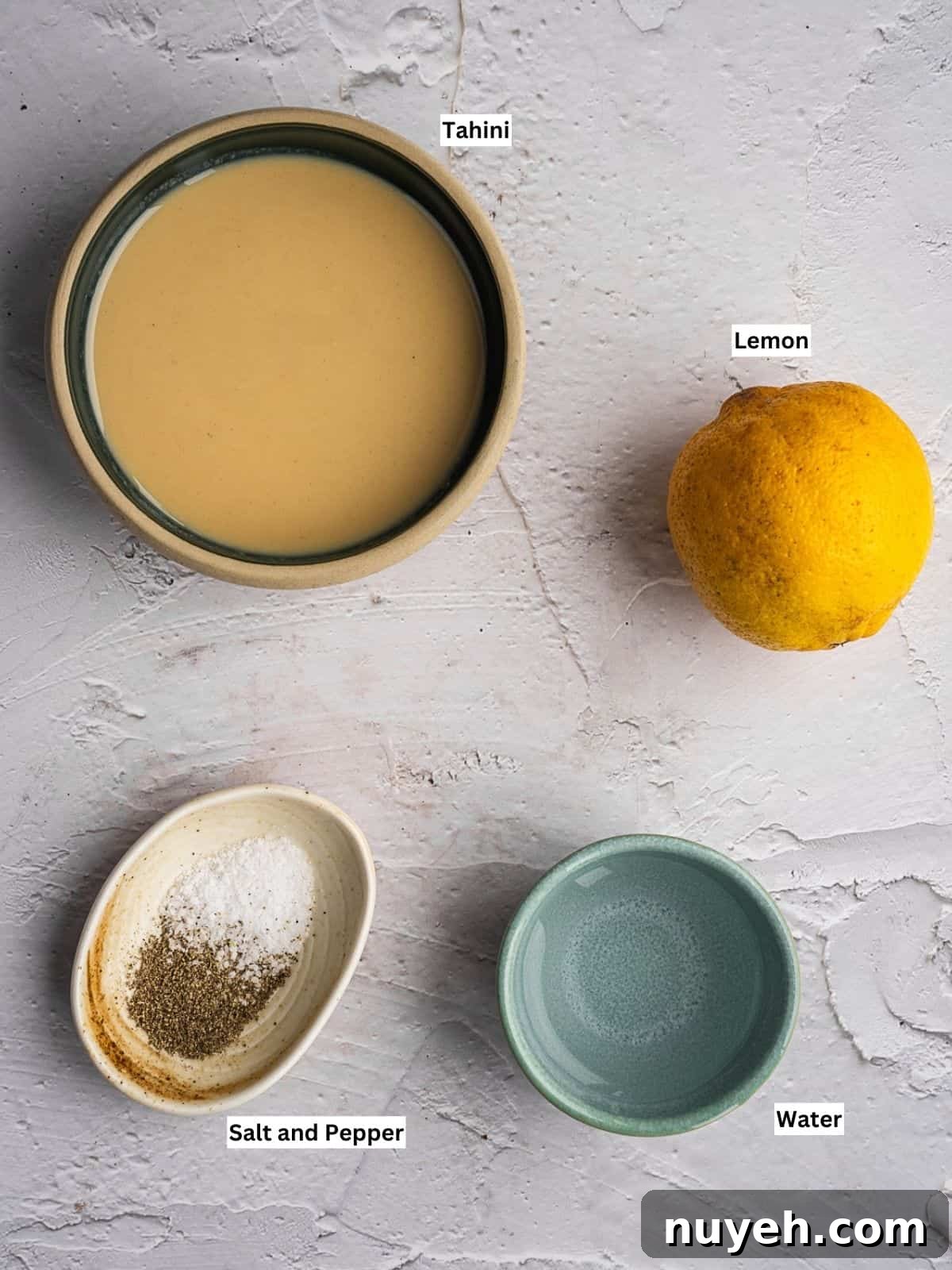
- Tahini: Use a high-quality tahini for the best flavor. Shake or stir the jar before measuring — tahini often separates in storage, with oil rising to the top.
- Lemon: Fresh lemon juice gives bright acidity. You can substitute lime or a mild vinegar if needed, but fresh lemon is traditional and offers the cleanest flavor.
See the recipe section below for exact quantities and additional notes.
How to make this Homemade Tahini Sauce Recipe
Preparing this sauce is delightfully simple — essentially a two-step technique that yields a smooth, pourable dressing.
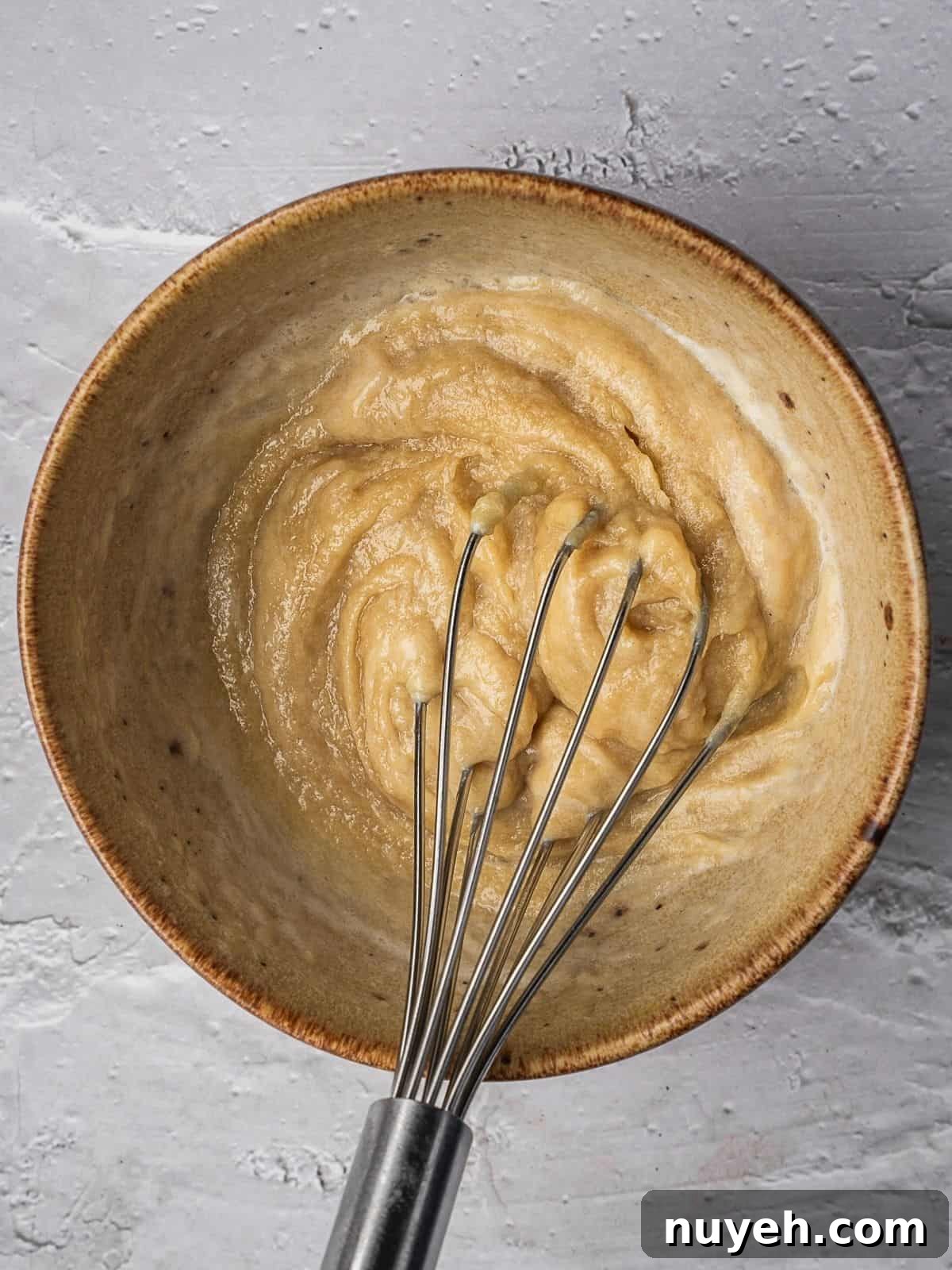
Step 1: Make a paste. In a small bowl combine the tahini, lemon juice and a pinch of salt. Whisk or stir vigorously until the mixture becomes a smooth, thick paste and the color lightens slightly.
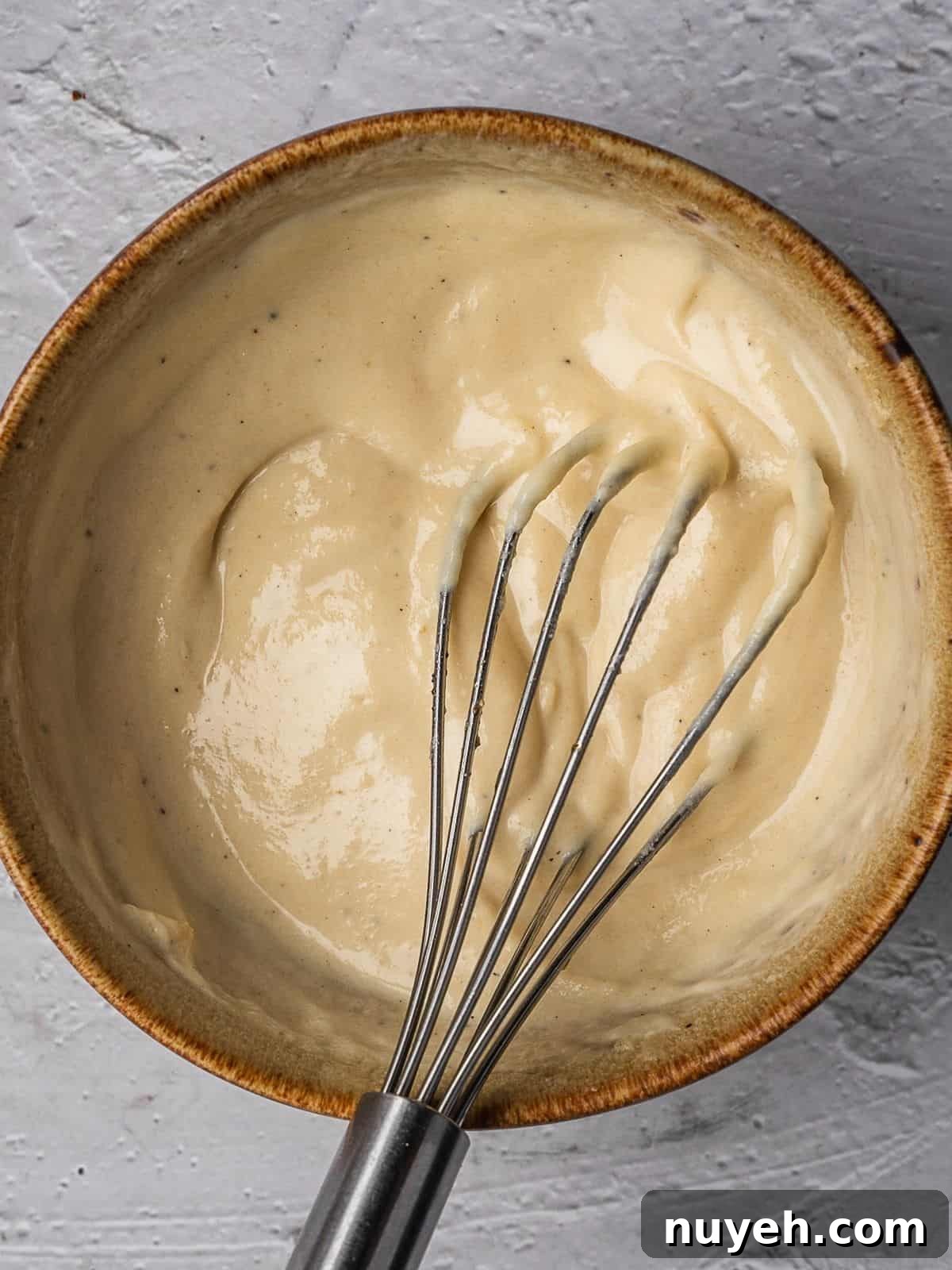
Step 2: Thin to taste. Add water, one tablespoon at a time, whisking to reach the consistency you want — thicker for dips, thinner for drizzling. Season to taste with more lemon or salt, and finish with cracked black pepper if you like.
What is Tarator Sauce Used For?
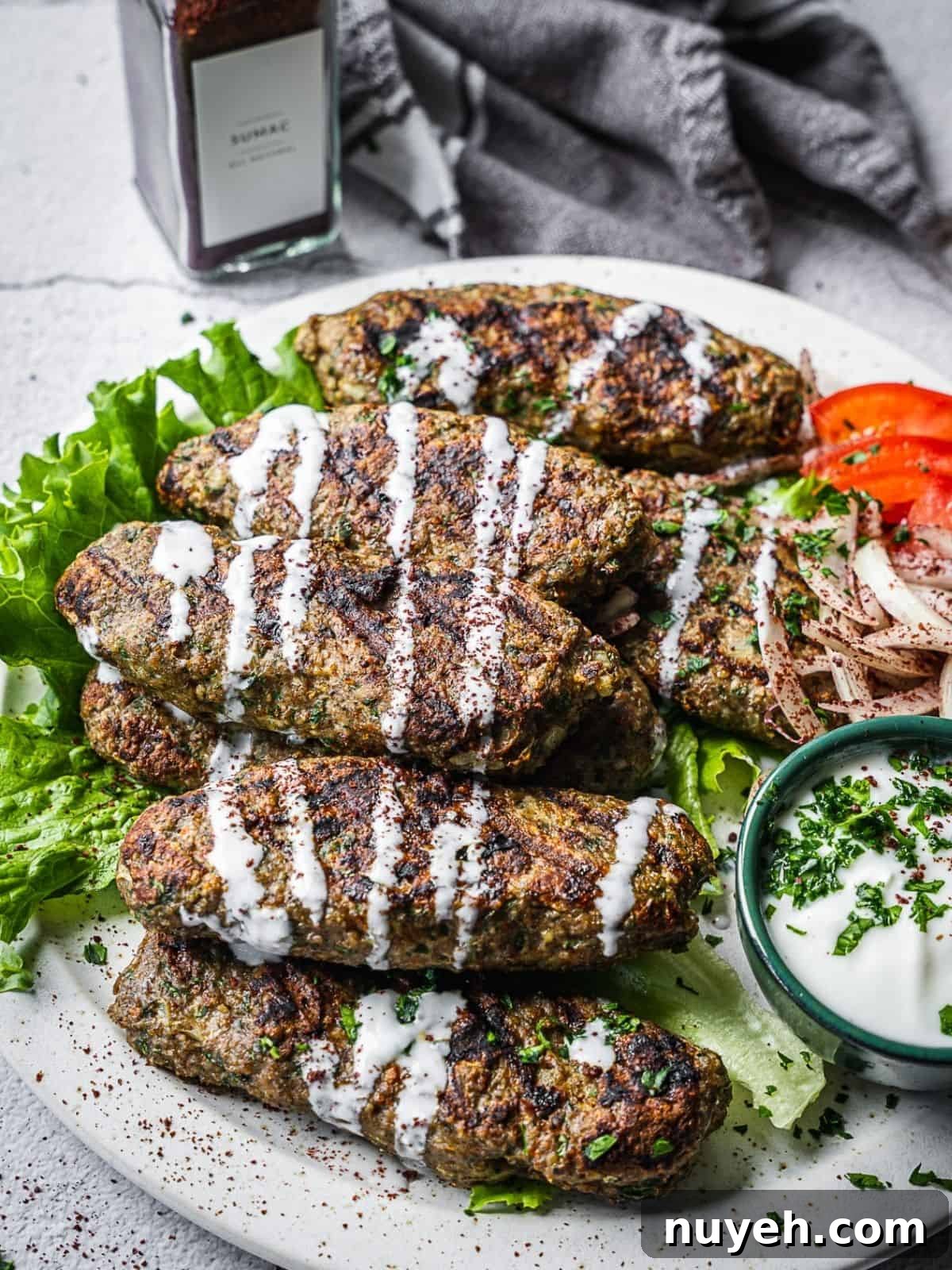
Tarator (another name for this style of tahini sauce) is incredibly versatile. Use it to dress grilled and roasted meats, drizzle over roasted vegetables, toss with warm grains or beans, or spread on flatbreads and sandwiches. It also makes an attractive dip served alongside crudités, roasted cauliflower or falafel. Below are a few pairing ideas that showcase the sauce’s versatility:
- Seasoned grilled beef like kofta
- Stuffed pita pockets (arayes) or grilled skewers
- Chicken shawarma and chicken kafta
- Homemade falafels or roasted vegetable bowls
- Shrimp or fish served over rice or salads
Expert Tips
- Dip consistency: Use about 2–3 tablespoons of water for a thicker, scoopable dip.
- Drizzle consistency: Use about 3–4 tablespoons of water for a pourable dressing.
- Customize the flavor: Add minced garlic, chopped fresh herbs (parsley, cilantro), a pinch of sumac, a dash of sesame oil, Dijon mustard or a touch of maple syrup for a sweeter balance.
- Choose quality tahini: A smoother, well-balanced tahini will yield a creamier, less bitter sauce.
Recipe FAQs
Yes. Store the sauce in an airtight container or press plastic wrap directly on the surface to prevent a skin from forming. It keeps in the refrigerator for up to 4 days; stir or give it a quick whisk before serving. If the sauce thickens in the fridge, thin with a little water and lemon to refresh it.
Yes — you can blend toasted sesame seeds in a food processor until smooth to make homemade tahini. Store-bought jars are convenient and consistently smooth, but homemade tahini is a good option if you prefer full control over roast level and texture.
Other Sauces and Condiments
Appetizers
Cacik (Turkish Cucumber Yogurt Dip Recipe)
Levantine Recipes
Mint Yogurt Sauce (with Garlic and Lemon)
Levantine Recipes
Sumac Onions (Turkish Marinated Onion Salad)
Levantine Recipes
Levantine Pickled Cauliflower (Refrigerator Pickle)
If you make this Authentic Tahini Sauce or any other condiment featured here, please consider rating the recipe and leaving a comment to help others discover it. Your feedback is appreciated.
How to Make Lemon Tahini Sauce (Authentic and Easy)
Comment
Ingredients
- ¼ cup Tahini paste
- 2 tbsp Fresh lemon juice
- Pinch of salt and fresh cracked black pepper
- 2-4 tbsp Water – see notes for consistency
Instructions
-
Form the paste. In a small bowl, mix the tahini, lemon juice and a pinch of salt. Whisk until the mixture becomes smooth and slightly thickened.
-
Dilute to your preferred texture. Add water one tablespoon at a time, whisking after each addition, until you reach the thickness you want. Taste and adjust with more lemon or salt if needed.
Notes
WATER NOTE: For a dip-like texture use about 2–3 tablespoons of water. For a thinner, drizzling consistency, use about 3–4 tablespoons.
Ingredient notes:
- Tahini: Look for a creamy tahini with balanced flavor. If the oil has separated in the jar, stir well before measuring.
- Lemon: Fresh lemon juice delivers the cleanest acidity. Lime or a mild vinegar can be used in a pinch.
Other additions: Consider adding chopped parsley, minced garlic, a sprinkle of sumac, a little Dijon mustard, a touch of maple syrup for sweetness, or a few drops of sesame oil to round the flavor.
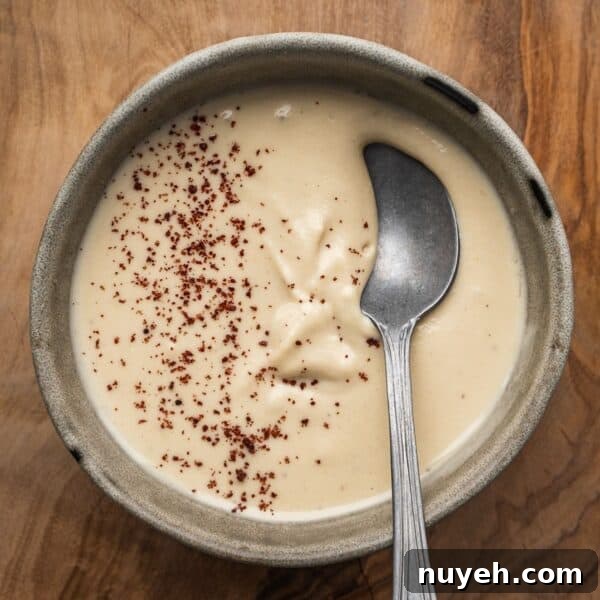
Drizzle tahini sauce on beef kofta, chicken shish tawook, chicken shawarma, chicken kafta, roasted vegetables, or use as a dip for falafel and crudités.
Nutrition
Nutrition information is automatically calculated and should be used as an estimate only.
 Like this recipe? Rate & comment below!