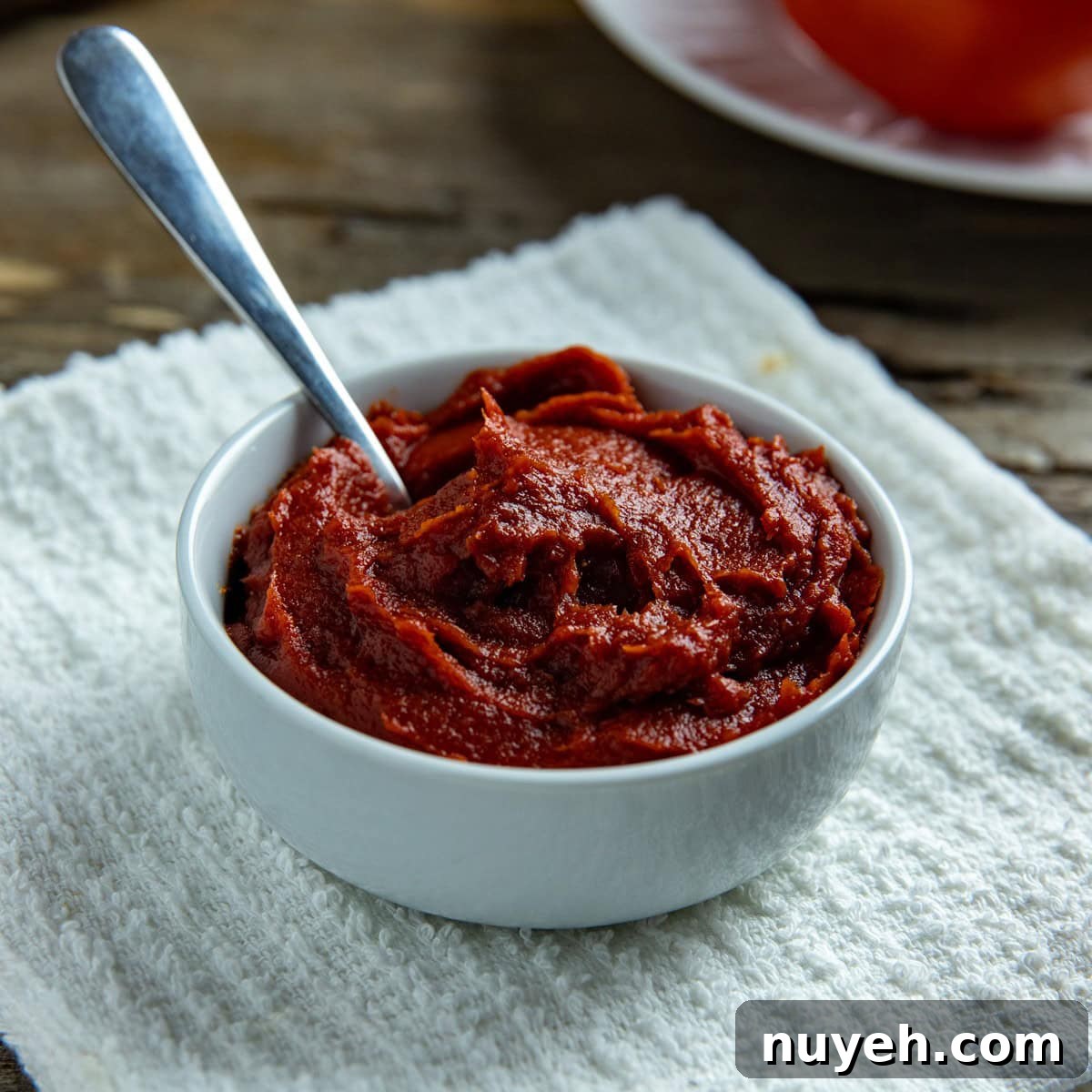
Ran out of tomato paste at the last minute? No problem — there are plenty of effective substitutes that will save your dinner. This guide explains the best tomato paste substitutes for soups, stews, sauces, chili, casseroles and pasta dishes, with practical swap ratios and tips so your dish keeps its intended flavor and texture.
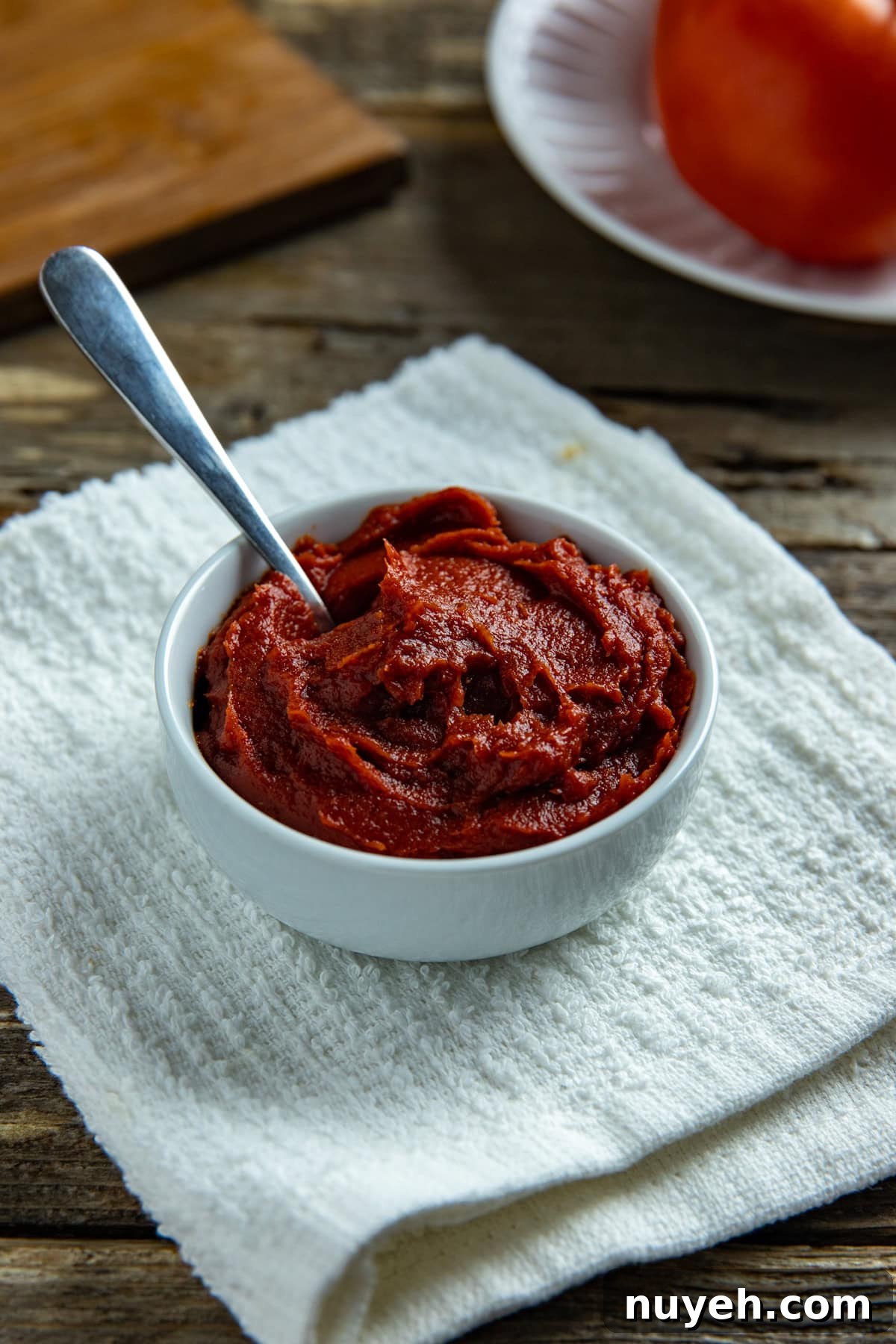
Quick Look: Tomato Paste Substitutes
- ⏱️ Total Substitutes: 14 practical options
- 🍽️ Works In: Soups, stews, sauces, chili, casseroles and pasta
- 🔄 Swap Tip: Most substitutes are less concentrated than tomato paste, so use larger volumes and reduce or simmer to intensify flavor
- 💧 Why It Matters: Tomato paste adds concentrated tomato flavor, color and body
- ⭐ Bottom Line: Pick a substitute based on how much tomato intensity and thickness your recipe needs
What Can I Use Instead of Tomato Paste
Below is a clear, easy guide to common substitutes and the amounts to use. For most recipes, a tablespoon or two of paste is all that’s called for, so these swaps are quick to measure and adjust.
Best Quick Tomato Paste Alternatives
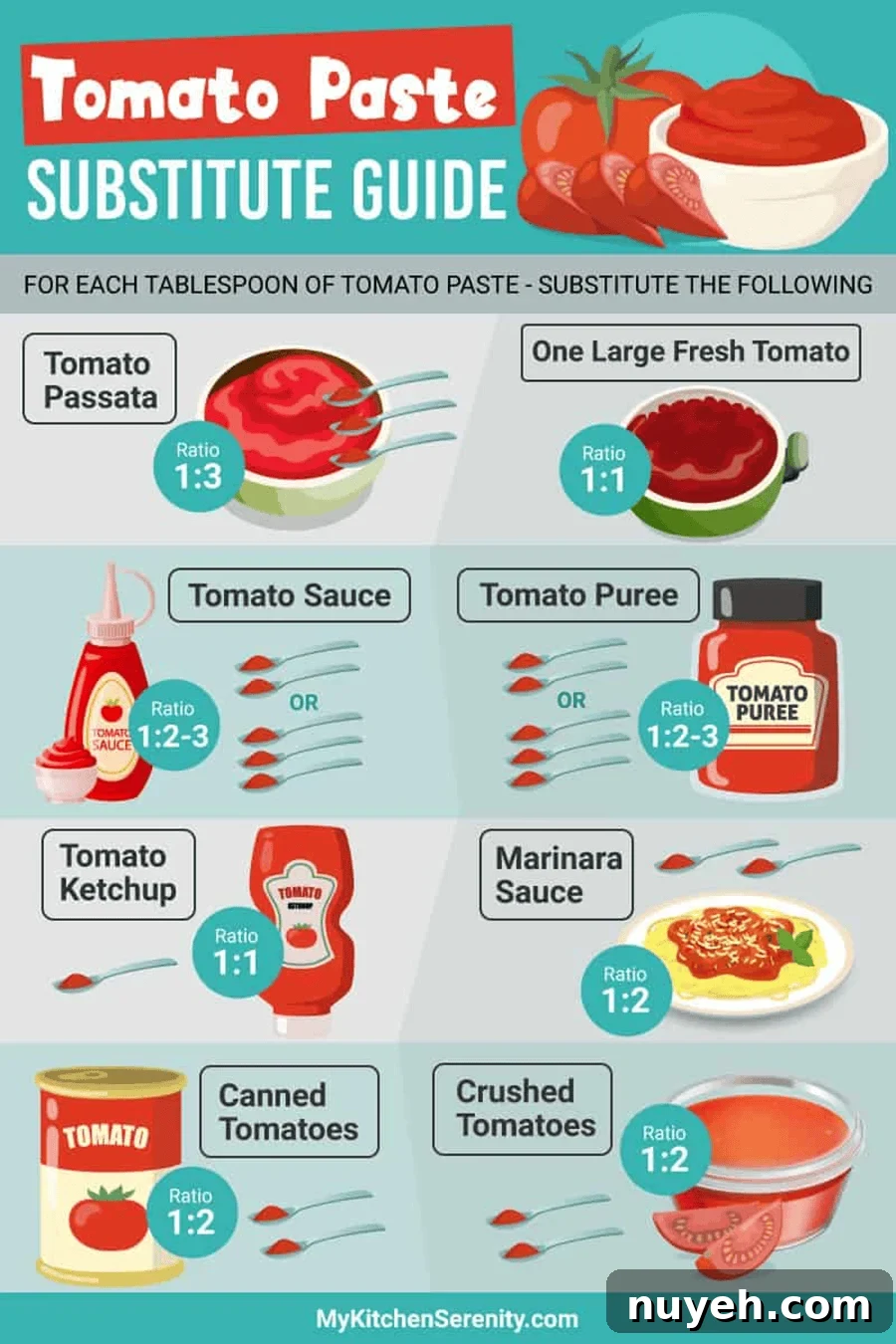
If you need a fast replacement, try one of these easy swaps:
- Tomato sauce — simmer to reduce and thicken
- Ketchup — use the same amount but be mindful of added sugar and vinegar
- Tomato purée — more concentrated, so use about half the volume of purée to paste
Why Ingredient Substitutions Matter
Substituting ingredients lets you complete a recipe even when a pantry staple is missing, while keeping the flavor and texture close to the original. The right swap preserves the dish’s balance — whether you’re adapting for dietary needs or simply improvising with what you have on hand.
Best Tomato Paste Substitutes (how to use each one)
⏱️ Tomato Sauce
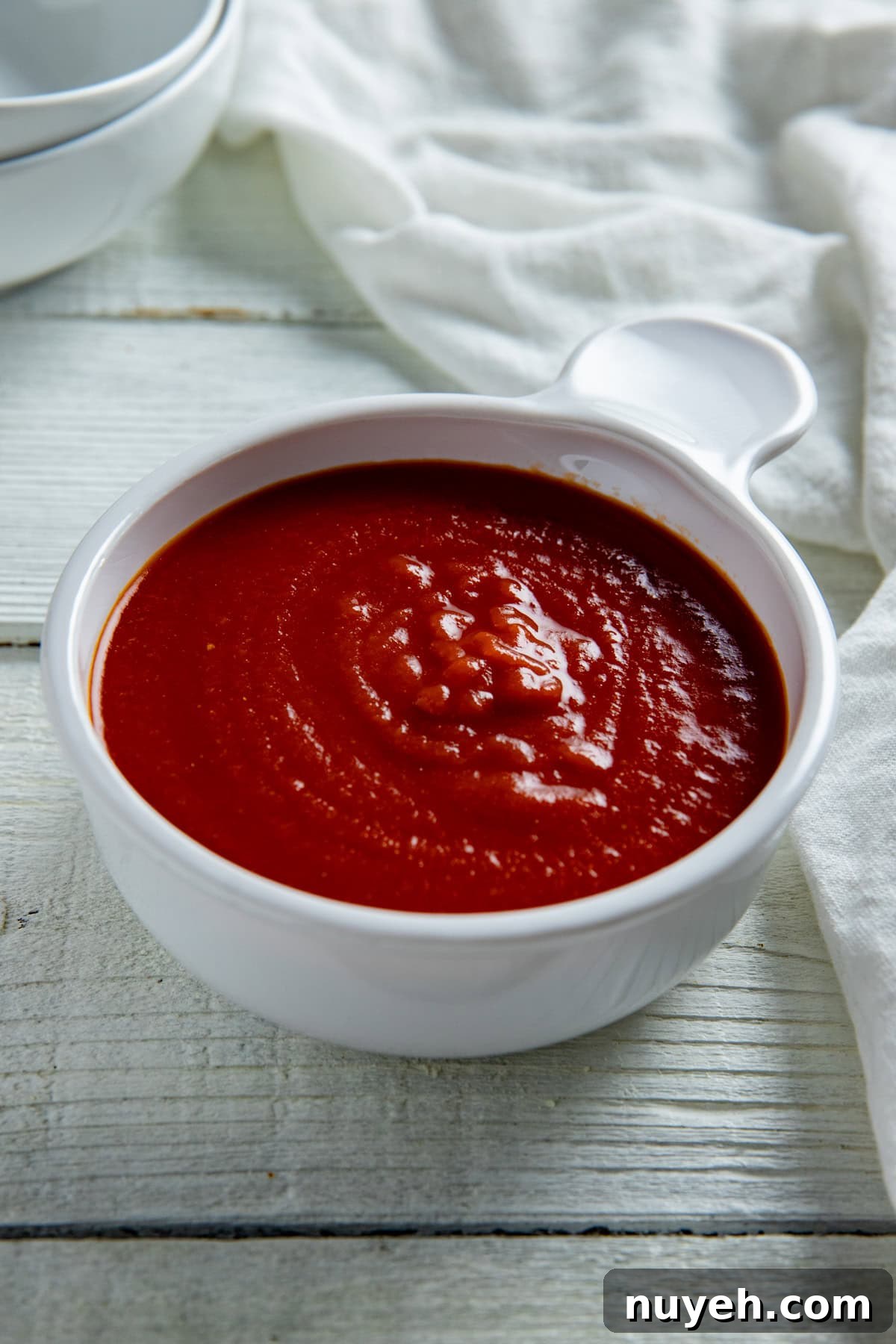
Tomato sauce is thinner than paste but delivers classic tomato flavor. Simmer to reduce liquid and concentrate the taste.
- Works in: Pasta sauces, casseroles, soups and chili
- Swap tip: Simmer longer to thicken and intensify flavor
- Ratio: 2–3 tablespoons tomato sauce = 1 tablespoon tomato paste
⏱️ Ketchup
Ketchup is concentrated and flavorful, but contains sugar and vinegar. It’s a handy replacement in savory, slightly sweet dishes.
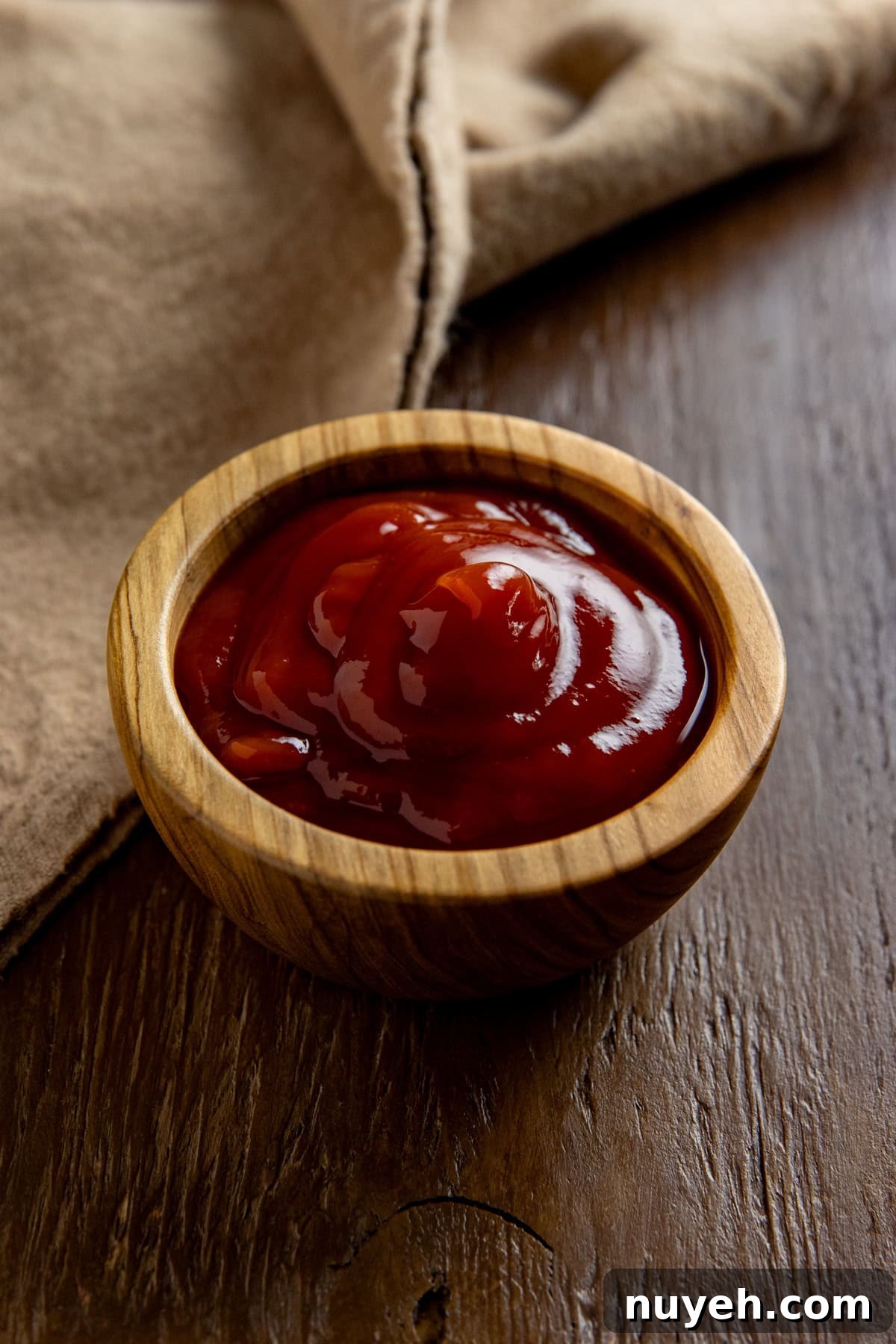
- Works in: BBQ sauces, meatloaf, sloppy joes and quick savory sauces
- Swap tip: Reduce other sweet elements if needed
- Ratio: 1 tablespoon ketchup = 1 tablespoon tomato paste
⏱️ Fresh Tomatoes
Cooked-down fresh tomatoes can approximate paste when concentrated. Peel and seed for the smoothest result.
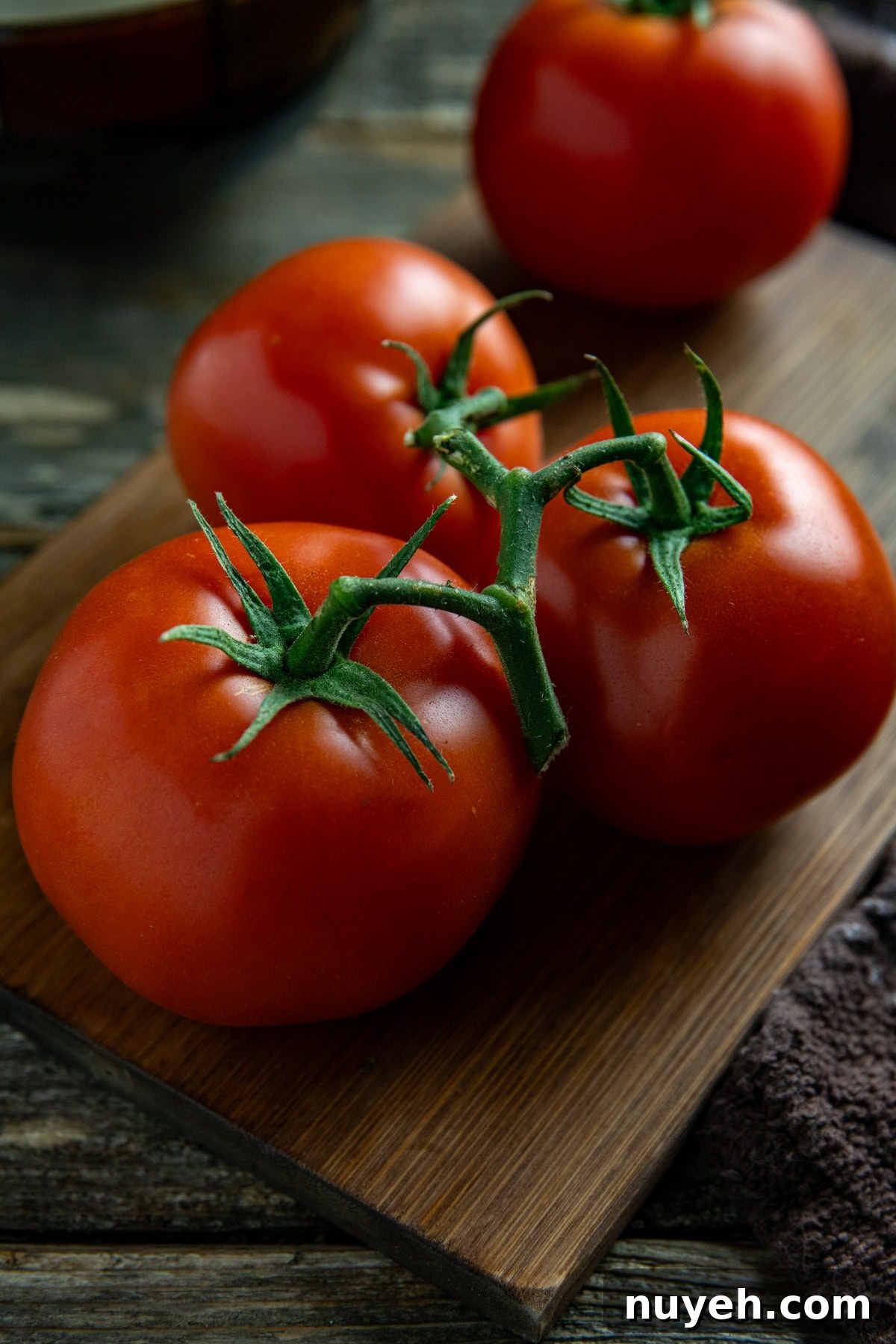
- Works in: Soups, sauces, chili and stews
- Swap tip: Simmer until thick and reduced
- Ratio: 1 large tomato (cooked down) ≈ 1 tablespoon tomato paste
⏱️ Diced Tomatoes (Canned)
Canned diced tomatoes can be reduced and strained to create a concentrated base.
- Works in: Soups, stews, chili and slow-cooked sauces
- Swap tip: Drain excess liquid, then simmer until thick
- Ratio: ~½ cup diced tomatoes (reduced) = 1 tablespoon tomato paste
⏱️ Stewed Tomatoes
Stewed tomatoes are seasoned and slightly sweeter; blend and reduce for a smoother, thicker substitute.
- Works in: Casseroles, soups and rustic dishes
- Swap tip: Blend and simmer to remove excess liquid
- Ratio: ~½ cup stewed tomatoes (reduced) = 1 tablespoon tomato paste
⏱️ Tomato Purée
Purée is smoother and more concentrated than sauce, making it one of the closest matches.
- Works in: Pasta sauces, soups, stews and braises
- Swap tip: Simmer briefly to thicken for extra body
- Ratio: 2 tablespoons purée = 1 tablespoon tomato paste
⏱️ Crushed Tomatoes
Crushed tomatoes are partially puréed and can be reduced into a richer, thicker base.
- Works in: Pasta sauces, soups, chili and casseroles
- Swap tip: Drain and simmer until concentrated
- Ratio: ~¼–½ cup crushed tomatoes (reduced) = 1 tablespoon tomato paste
⏱️ Marinara Sauce
Marinara is seasoned tomato sauce with garlic and herbs. Use when the added seasonings will complement your dish.
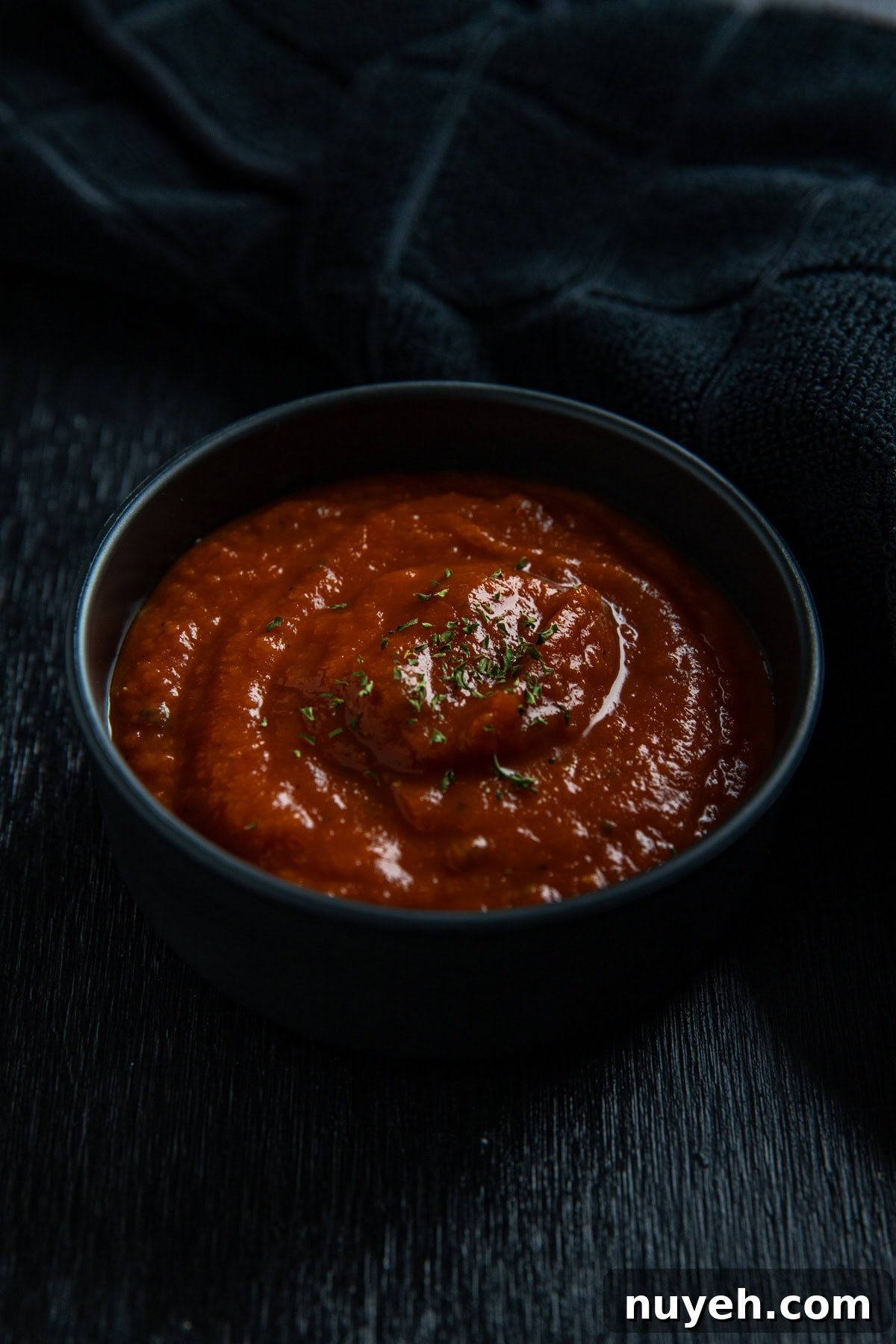
- Works in: Pasta dishes, casseroles and Italian-style recipes
- Swap tip: Use when extra herbs fit the flavor profile
- Ratio: 2 tablespoons marinara = 1 tablespoon tomato paste
⏱️ Tomato Passata
Passata is uncooked puréed tomatoes. It has a fresh flavor and thickens well when reduced.
- Works in: Pasta sauces, soups, stews and slow-simmered dishes
- Swap tip: Simmer to remove excess liquid and concentrate flavor
- Ratio: 3 tablespoons passata = 1 tablespoon tomato paste
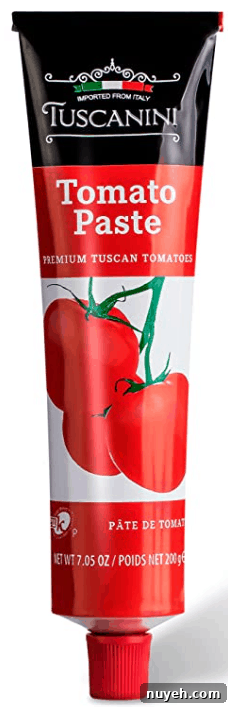
Canned Tomato Paste vs Tube Tomato Paste
Both canned and tube tomato paste provide concentrated tomato flavor. Tube paste is convenient for small amounts and easier to reseal; canned paste can be portioned and frozen. Either form works well; choose what fits your storage habits.
Tomato Paste vs Tomato Sauce vs Tomato Purée
Tomato paste: Thick, concentrated and rich—used primarily to add depth and thickness.
Tomato sauce: Thinner and ready to use, ideal as a base for pasta or simmered dishes.
Tomato purée: Smooth and mid-consistency—more concentrated than sauce but not as thick as paste; versatile for many recipes.
How to Make Your Own Tomato Paste
You can reduce tomato products at home into a paste-like concentrate. Three common methods:
- From tomato sauce: Simmer and stir until it reduces to a thick paste.
- From fresh tomatoes: Peel, seed, cook and reduce while stirring until thick.
- From canned tomatoes: Blend to smooth, then boil and reduce until two-thirds thickened.
Best Non-Tomato Substitutes
If you need a tomato-free option, these alternatives provide texture and savory depth:
Roasted red pepper purée: Blend jarred roasted peppers until smooth. Use about 2:1 (two parts pepper purée to one part paste). Mild and slightly sweet.
Miso paste: A fermented soybean paste that adds umami. Start with 1 tablespoon miso plus 1 tablespoon water and adjust to taste.
Harissa: A spicy chili paste with similar thickness. Use cautiously — start small and adjust to taste.
Vegetable blends (e.g., beet/carrot/pumpkin purée): These can mimic body and color for tomato-free dishes; adjust seasoning to balance sweetness and earthiness.
Quick Reference: Tomato Paste Alternatives
| Substitute | Substitution Ratio | Best Used In |
|---|---|---|
| Tomato Passata | 3 tbsp passata = 1 tbsp paste | Pasta sauces, soups, stews |
| Fresh Tomatoes | 1 large tomato (reduced) ≈ 1 tbsp paste | Soups, sauces, chili |
| Tomato Sauce | 2–3 tbsp sauce = 1 tbsp paste | Pasta sauces, casseroles |
| Diced Tomatoes | ~½ cup (reduced) = 1 tbsp paste | Soups, stews, chili |
| Stewed Tomatoes | ~½ cup (reduced) = 1 tbsp paste | Casseroles, soups |
| Tomato Purée | 2 tbsp purée = 1 tbsp paste | Sauces, soups |
| Crushed Tomatoes | ¼–½ cup (reduced) = 1 tbsp paste | Pasta sauces, chili |
| Ketchup | 1 tbsp ketchup = 1 tbsp paste | BBQ sauce, meatloaf, sloppy joes |
| Marinara Sauce | 2 tbsp marinara = 1 tbsp paste | Pasta dishes, Italian recipes |
Tomato Paste Alternatives FAQs
Most recipes call for 1–2 tablespoons of tomato paste. When substituting, use the ratios in this guide and taste as you go. A 6-ounce can of tomato paste typically contains about 10 tablespoons, while a 7-ounce tube contains about 14 tablespoons. If uncertain, aim for 2–3 tablespoons of substitute as a starting point and adjust for flavor and thickness.
Store leftover tomato paste in an airtight container in the refrigerator for 5–7 days. You can also freeze portions (1–2 tablespoons each) in small containers or ice cube trays for up to three months.
Yes, you can skip it, but expect a lighter color and slightly thinner texture. If you skip paste, simmer the dish longer to concentrate flavors and adjust seasonings to maintain depth.
Fast, Easy Dinner Ideas
-
 One-Pot Chicken Creole and Rice
 -
Beefy Mac and Cheese
-
Old Fashioned Salmon Patties
-
Easy Rotel Chicken Spaghetti


If you want more simple recipes delivered to your inbox, consider subscribing to recipe newsletters for weekly ideas and meal plans.