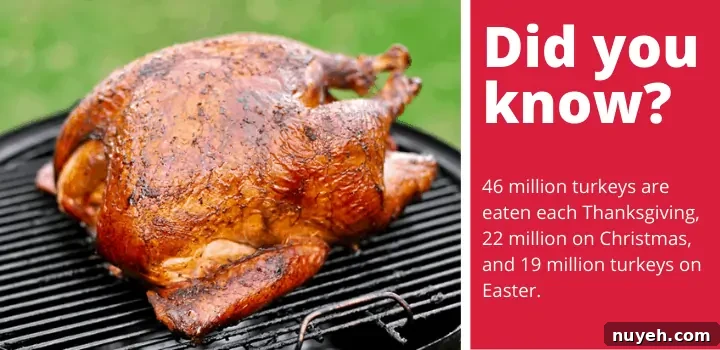
Looking for the right wood to use when smoking your turkey? You’re in the right place.
In this guide you’ll learn:
- Which types of wood work best for turkey
- Top wood recommendations for smoking turkey
- How to blend woods and other practical tips
Below is a quick list of our top recommendations. Keep reading to learn how to choose the best wood to smoke your next turkey.
Turkey isn’t just for stuffing and holiday meals — a properly smoked turkey is a delicious centerpiece any time of year. But because poultry readily absorbs smoke flavor and color, choosing a mild, complementary wood is important. Too much smoke, or the wrong wood, can leave your bird tasting bitter or overly intense.
Our Top 5 Woods for Smoking Turkey
- Cherry
- Pecan
- Maple
- Apple
- Peach
What Are the Different Types of Woods for Smoking Turkey?
There are several formats of smoking wood to consider, depending on the smoker you use and the length of the cook:
- Pellets — small compressed pieces that work well in pellet smokers and produce steady smoke.
- Chips — larger than pellets, chips burn longer and are easy to use in most electric or charcoal smokers.
- Chunks — fist-sized pieces that provide a longer, more consistent smoke for longer cooks.
- Logs — used in larger offset smokers where the wood also acts as the primary heat source.
For turkey, fruitwoods and other mild, slightly sweet woods are usually best because they enhance the meat without overpowering its natural flavor.
Flavor Profiles of Different Types of Wood
| Wood Type | Flavor Profile |
| Cherry | Light, sweet cherry notes that add a delicate color and mild aroma. |
| Pecan | Medium, nutty-sweet flavor — stronger than fruitwoods but milder than hickory. |
| Maple | Mild and subtly sweet; a gentle option for adding sweetness without fruit notes. |
| Apple | Delicate, fruity smoke that complements poultry very well. |
| Peach | Sweet and floral smoke that pairs nicely with turkey. |
What Do You Look for in the Best Wood for Smoking Turkey?
When selecting wood for smoking turkey, aim for these qualities:
- Mild flavor: Avoid overpowering woods like mesquite or strong hickory for whole poultry.
- Clean, natural wood: No additives, oils, or filler wood.
- Appropriate size and format: Use pellets or chips for small smokers, chunks or logs for larger smokers and longer cooks.
- Consistent burn: Kiln-dried or heat-treated wood tends to burn predictably and produces cleaner smoke.
Best Woods for Smoking Turkey Reviewed
Cherry
Cherry wood produces a light, sweet smoke and imparts an attractive rosy color to the turkey skin. It’s a great option for cooks who want subtle fruit notes without overpowering the meat. Cherry pellets or chips work well in pellet and electric smokers.
Pros:
- Delicate, sweet flavor
- Adds color to the skin
- Good for pairing with other mild woods
Cons:
- Can be pricier than generic hardwoods
Pecan
Pecan delivers a medium smoke flavor — richer than fruitwoods but still gentle enough for turkey. It gives a nutty sweetness and pairs well with savory rubs and brines.
Pros:
- Balanced, nutty flavor
- All-purpose for poultry and pork
Cons:
- Some packages include more chips than uniform chunks
Maple
Maple is mild and subtly sweet without a strong fruity profile. It’s a good choice if you want sweetness without overt fruit flavors. Maple chunks and chips are widely available and generally heat-treated to prevent pests.
Pros:
- Mild, slightly sweet smoke
- Works well with savory seasonings
Cons:
- Chunk sizes can vary by package
Apple
Applewood gives a subtle, fruity smoke that’s one of the most popular choices for poultry. It adds gentle sweetness and aroma that complements turkey without overwhelming it.
Pros:
- Delicate fruit flavor
- Ignites quickly and burns cleanly
Cons:
- Some bags contain a mix of chunk sizes
Peach
Peach wood brings a sweet, floral smoke that pairs beautifully with turkey. Like other fruitwoods, peach imparts a pleasant aroma and mild sweetness.
Pros:
- Sweet and floral smoke
- Good burn time for chips if kiln-dried
Cons:
- Chip size can vary between packages
Are Wood Chips or Wood Pellets Better for Smoking Turkey?
Both work; your smoker often dictates the choice. Pellet smokers require pellets, which provide consistent smoke and heat. Chips and chunks are versatile for electric, charcoal, and offset smokers and are easier to mix for custom flavor blends. Pellets can’t be soaked and are less flexible for quick flavor tweaks, while chips and chunks allow more hands-on control.
How to Make a Wood Blend for Smoking Turkey
Mixing woods is simple and can yield nuanced flavors. Try pairing cherry with apple for a balanced fruit profile, or combine peach with maple for gentle sweetness. Add two woods in your smoker at the start and adjust the ratio in later additions until you find the balance you like.
Top Tips for Smoking Turkey
- Spatchcock the bird for more even cooking and shorter time.
- Use a leave-in thermometer to monitor internal temperature accurately.
- Cook over a drip pan to catch juices and help maintain consistent heat.
- Avoid stuffing the turkey while smoking; cook stuffing separately for food safety and even cooking.
- Keep the smoker door closed as much as possible to maintain steady temperature and smoke.
Turkey Smoking Wood FAQs
Is Mesquite Bad for Smoking Turkey?
Mesquite is very strong and can overwhelm turkey’s delicate flavor. It’s best reserved for bold red meats or used sparingly in a blend, not as the primary wood for poultry.
Which Woods Should You Avoid for Smoking Turkey?
Avoid intense woods such as mesquite, heavy hickory, or large amounts of oak when smoking whole turkey. These woods can mask the bird’s natural flavor and make it taste bitter or too smoky.
How Often Should You Add Wood When Smoking a Turkey?
Frequency depends on your smoker and the wood format. Check every hour during longer cooks and add chips, chunks, or pellets before the fire begins to fade so you maintain steady smoke without temperature drops.
Should I Soak My Wood Chips Before Smoking Turkey?
Soaking chips in water is not necessary and often reduces smoke quality. If you want to introduce a flavored liquid, you can briefly soak chips in fruit juice to add aroma, but plain, kiln-dried chips or chunks usually produce the best, most consistent smoke.
Final Thoughts on Which Woods Are Best for Smoking Turkey
Choose mild, sweet woods when smoking poultry. Fruitwoods like apple, cherry, and peach or mild hardwoods like maple and pecan will complement turkey without overpowering it. Avoid heavy, strong woods for whole birds, and consider blending woods to create a custom flavor profile that suits your taste.
Happy smoking — and enjoy a juicy, well-flavored turkey that showcases both the meat and the wood you choose.