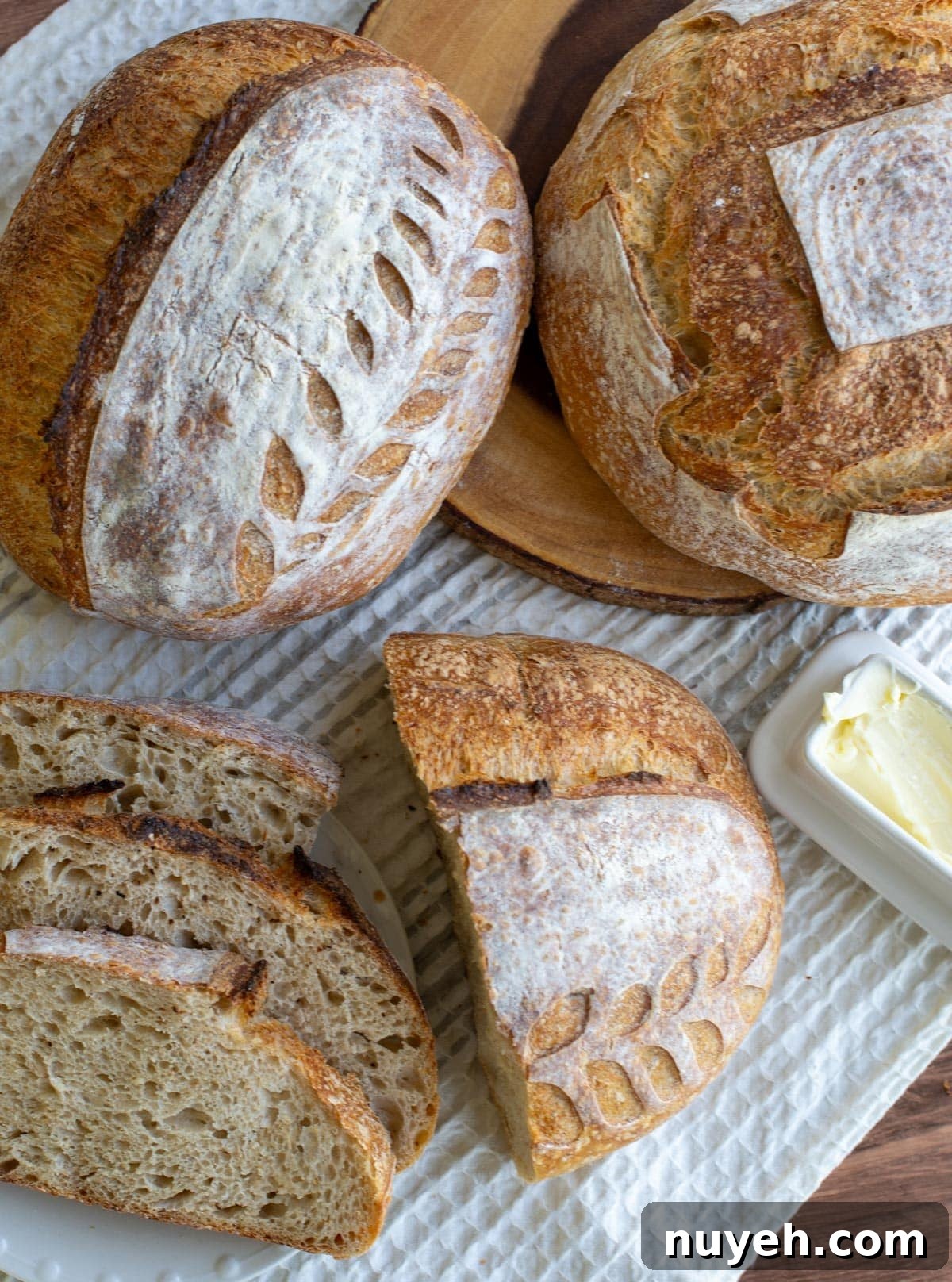
Sourdough baking blends craft and science, and its vocabulary can feel overwhelming at first. This glossary explains the core terms bakers use so you can quickly reference the meaning and purpose of each technique or tool while you bake.
Common Sourdough Terms
Below are clear, practical definitions for the most common sourdough terms you’ll encounter in recipes and guides.
Autolyse
Autolyse is a rest period after mixing flour and water, before adding salt or starter. This quiet phase hydrates the flour and begins gluten formation, improving dough texture and making it easier to handle. Typical autolyse times range from an hour to overnight, depending on the recipe. When starter is included in this rest, the process is called fermentolyse.
Baker’s Percentages
A system that expresses ingredients relative to the total flour weight, which is always 100%. Baker’s percentages require weighing ingredients and make it simple to scale recipes or compare hydration and ingredient ratios across bakes.
Baking Timeline
A step-by-step schedule that maps mixing, fermentation, shaping, proofing, and baking so you can plan a bake around your day. Timelines help manage long fermentations and ensure each stage gets the right amount of time.
Banneton
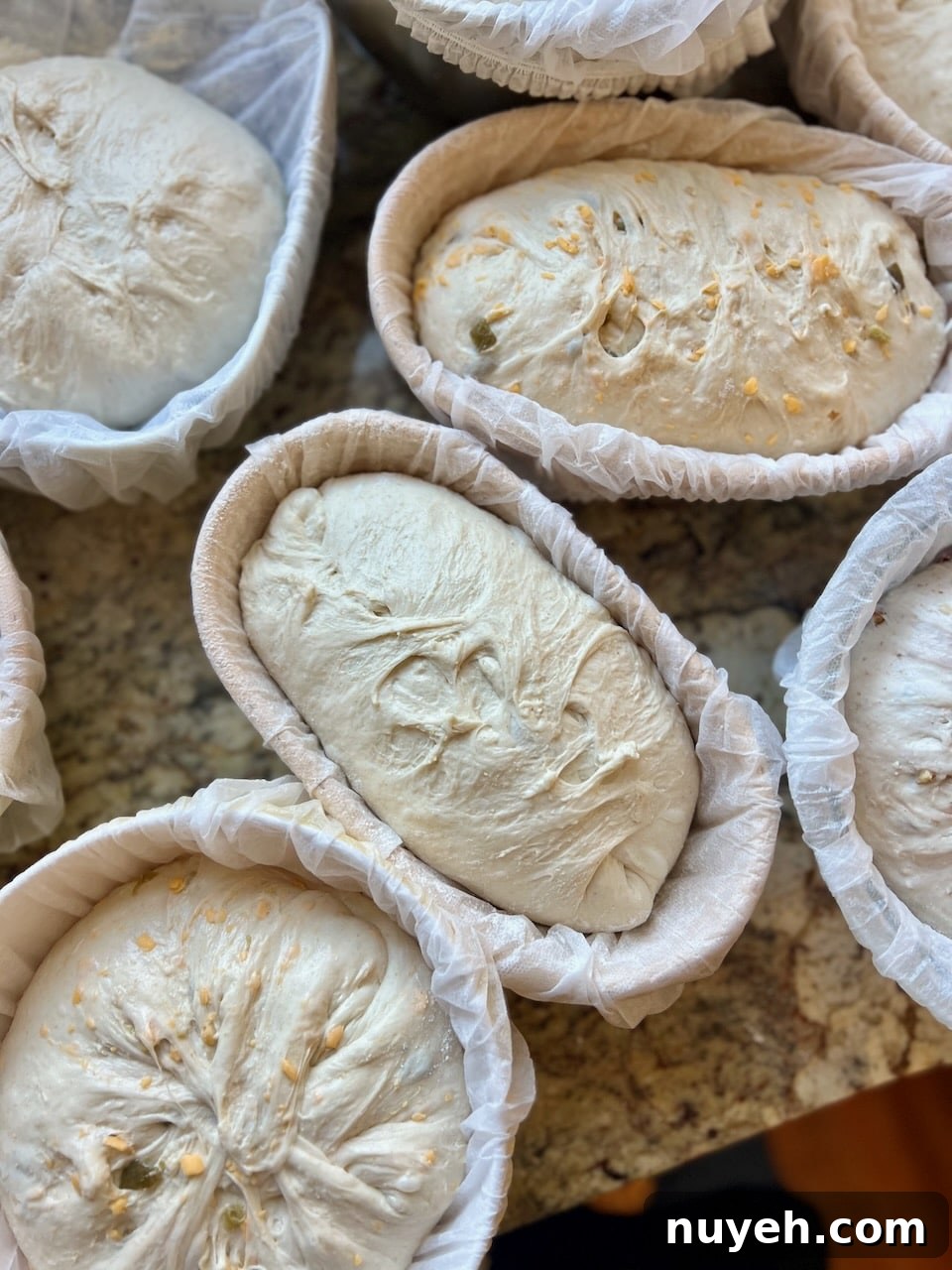
A banneton is a proofing basket used during the final rise to support the dough and create the characteristic ridged pattern on the crust. It helps maintain shape and offers gentle support for wetter doughs.
Batard
A batard is an oval loaf common in artisan baking. Its shape slices well for sandwiches and offers a slightly different crumb and crust balance compared to a round loaf.
Bench Rest
A short rest on the work surface—usually 20–30 minutes—after pre-shaping. This relaxes the gluten so the dough is easier to shape and helps preserve structure for the final proof.
Boule
A boule is a round loaf often baked in a Dutch oven. Its compact shape produces an even crust and can be easier to score for a classic look.
Bulk Fermentation
Also called “bulk ferment,” this is the main fermentation stage where the dough rests and develops flavor and strength before shaping. During this period, you may perform folds to build structure.
Coil Folds
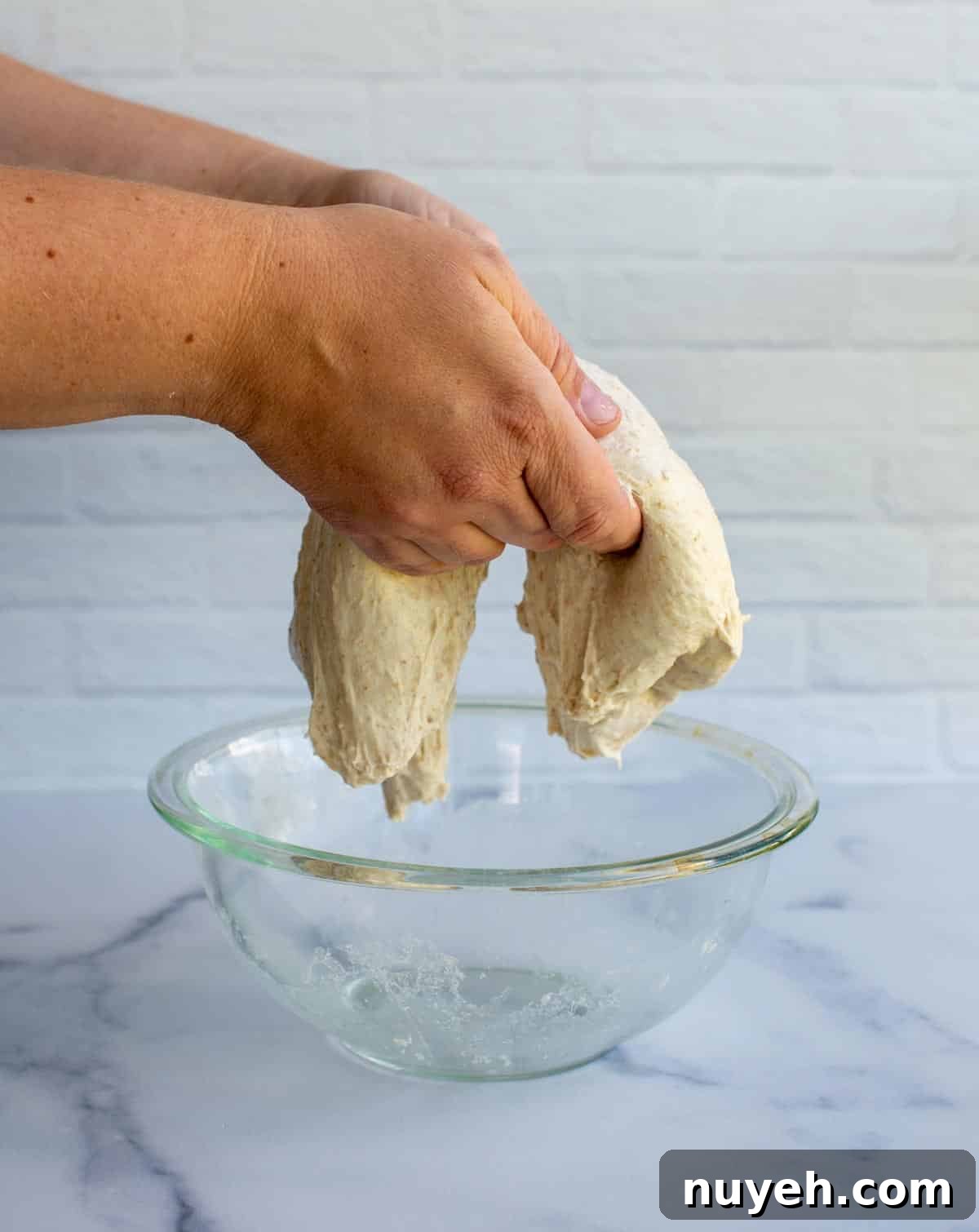
Coil folding is a gentle technique used during bulk fermentation: lift the dough from the center and let it fold back on itself in a coil. Done every 20–30 minutes, it smooths the dough and strengthens the gluten network without heavy kneading.
Dough Temperature (DDT – Desired Dough Temperature)
DDT is the target temperature for your dough after mixing. For sourdough, a common target is around 76–80°F (24–27°C). Dough temperature influences fermentation speed—warmer dough ferments faster; cooler dough slows the process—so controlling it helps create consistent results.
Crumb
The crumb is the internal texture of the loaf: how open or tight, moist or dry, and how the air pockets are distributed. Techniques, hydration, and fermentation all affect the final crumb.
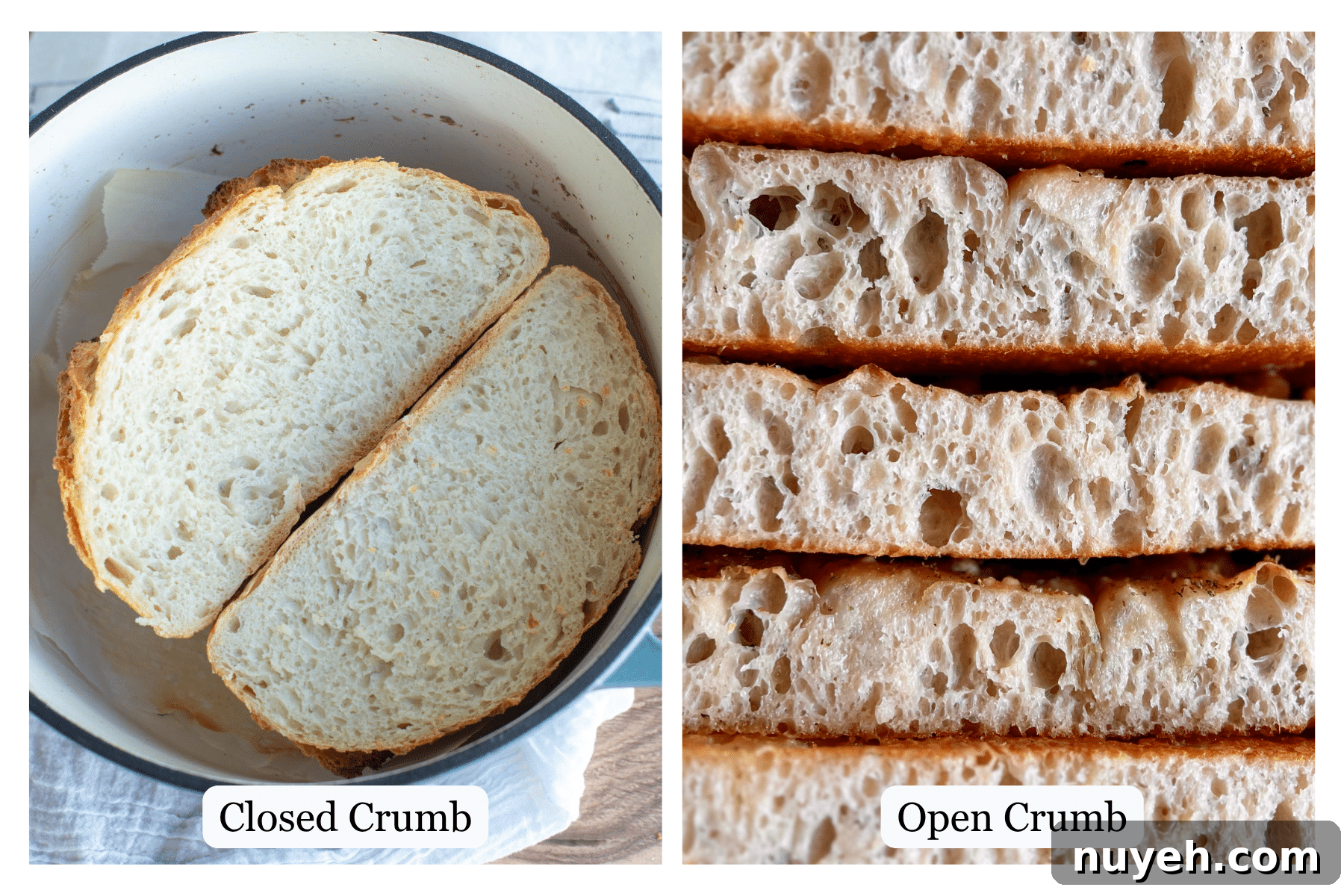
Dutch Oven
A heavy, lidded pot that traps steam during the initial bake, encouraging strong oven spring and a crisp, glossy crust. Many home bakers use a Dutch oven for consistent heat and steam retention.
Ear
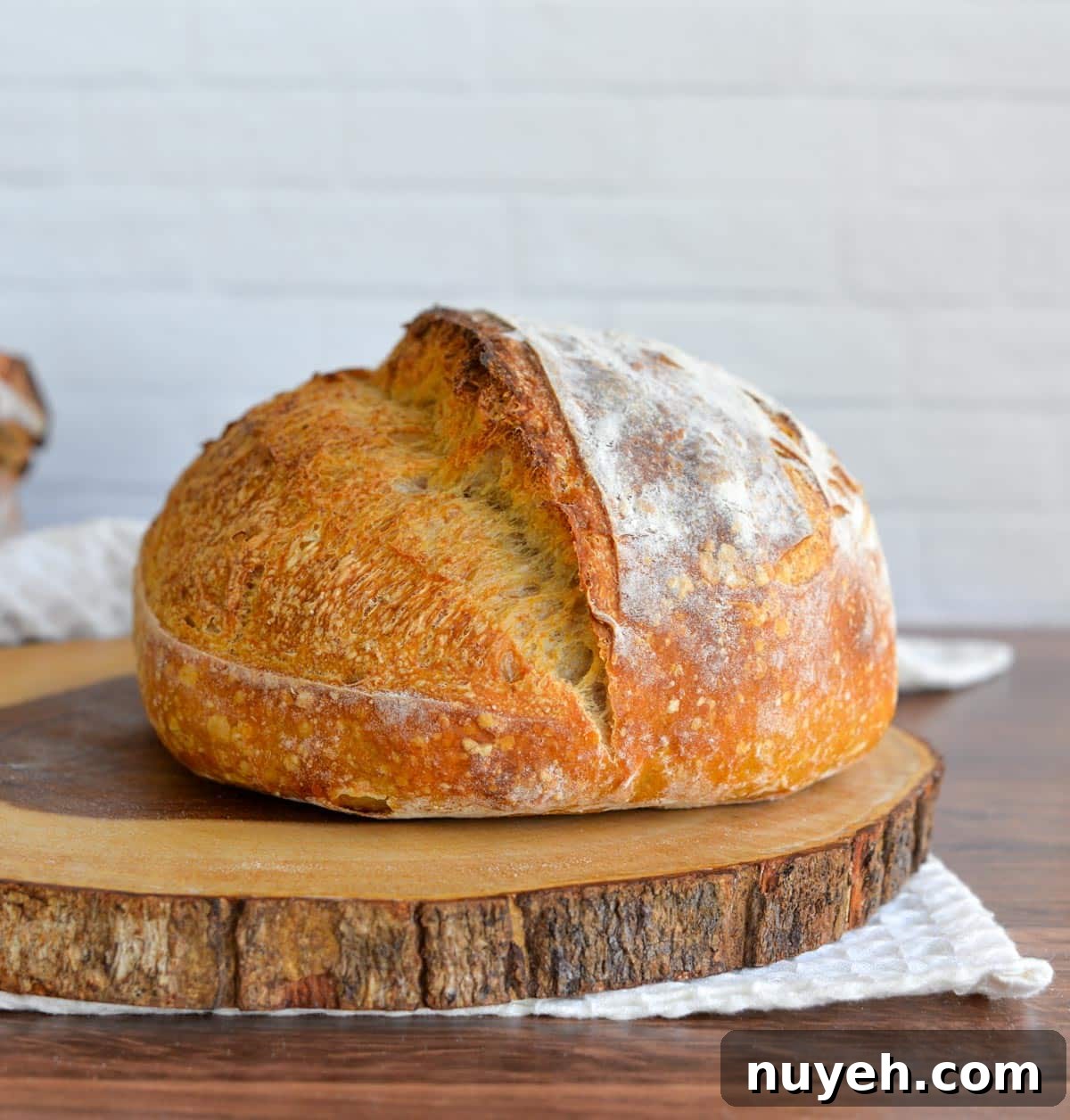
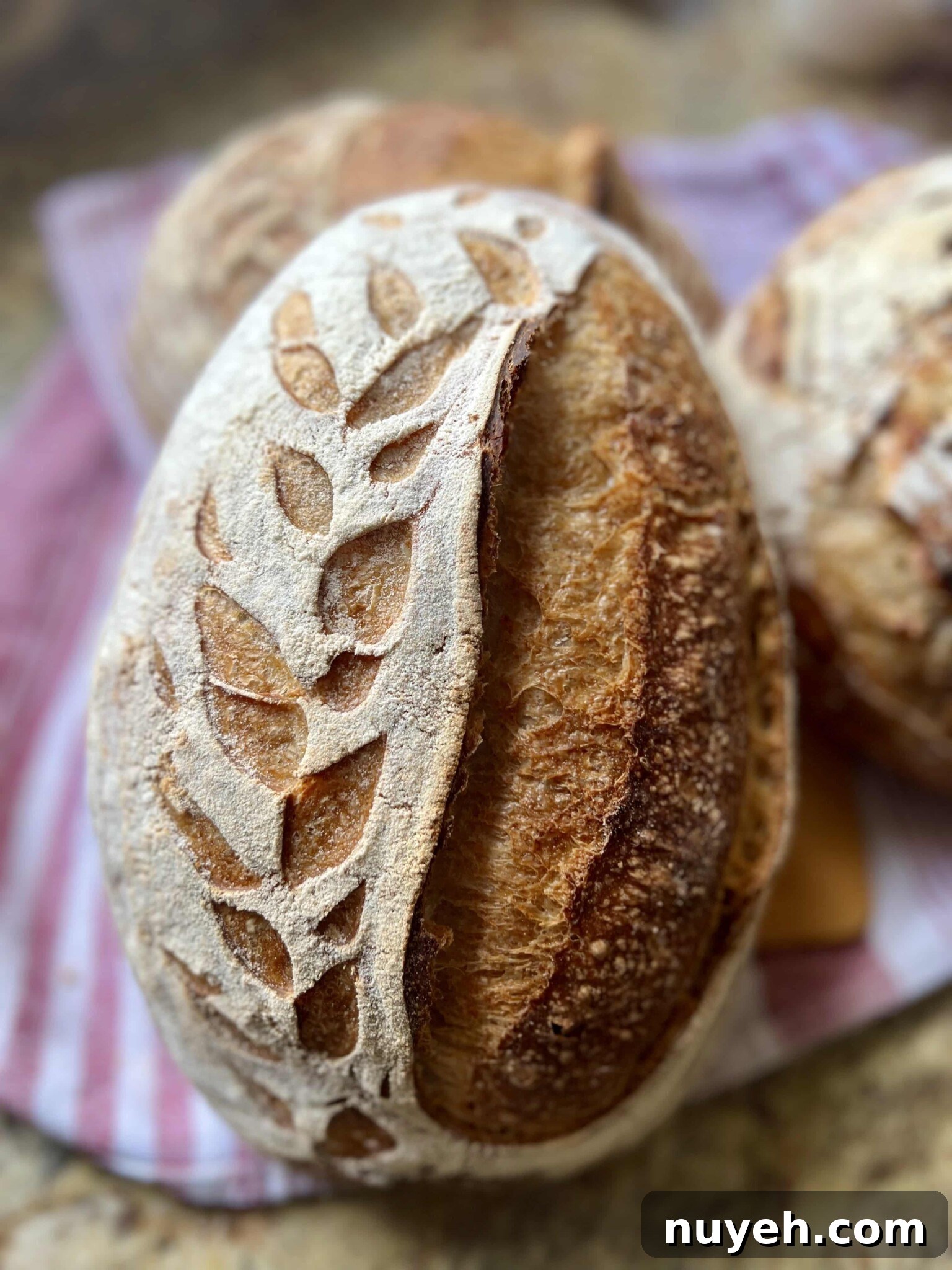
An ear is the raised flap that appears along a score as the loaf expands in the oven. A pronounced ear often indicates good oven spring, proper fermentation, and effective scoring—though hydration and dough strength also play a role.
Elasticity
Elasticity refers to the dough’s ability to stretch and spring back without tearing. Good elasticity is a sign of well-developed gluten and helps the dough retain gas for a strong rise.
Fermentolyse
A fermentolyse includes the starter in the initial flour-and-water rest, so fermentation begins immediately. This can accelerate flavor development and dough strength, but the rest is usually shorter (about 20–30 minutes) and should be counted as part of total fermentation time.
Final Proof
The last rise after shaping and before baking. Final proofing can be done at room temperature or cold in the fridge. Timing the final proof correctly is crucial for good oven spring and an attractive crumb.
Gluten
Gluten is the protein network in wheat-based doughs that gives structure and elasticity. As it develops, gluten traps gas produced during fermentation, allowing the loaf to rise. Sourdough fermentation can partially break down gluten, which may make the bread easier to digest for some people.
Hydration
Hydration is the water-to-flour ratio by weight. Higher hydration produces a wetter dough and often a more open crumb, while lower hydration yields firmer, easier-to-handle dough. Adjusting hydration changes dough behavior and final texture.
Lactobacilli
Beneficial bacteria in the starter that produce lactic acid during fermentation, contributing to sourdough’s flavor and acidity. Lactobacilli help create an environment that supports wild yeast while limiting unwanted microbes.
Levain
A levain is a portion of starter that’s been refreshed and built up to leaven a specific batch of dough. Bakers use levains to control timing, strength, and flavor in a recipe.
Oven Spring
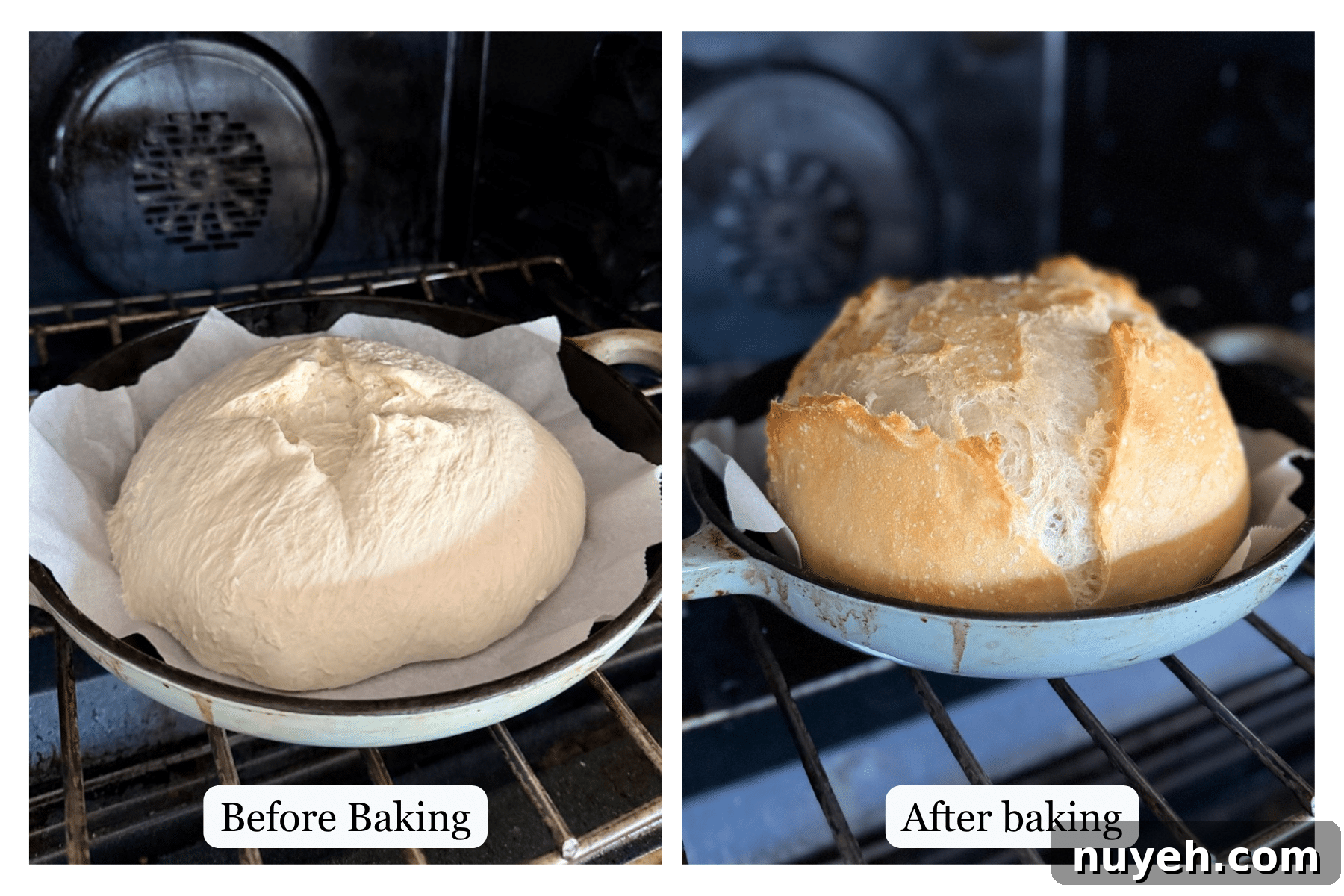
Oven spring is the rapid rise in the first minutes of baking, driven by steam and gas expansion before the crust sets. Strong oven spring creates height, better crumb openness, and an improved crust.
Overproofed
Dough that has passed its ideal rise and become slack and weak. Overproofed dough often collapses or spreads in the oven, yielding a flat loaf with poor oven spring and a dense crumb.
Peak/Starter Peak
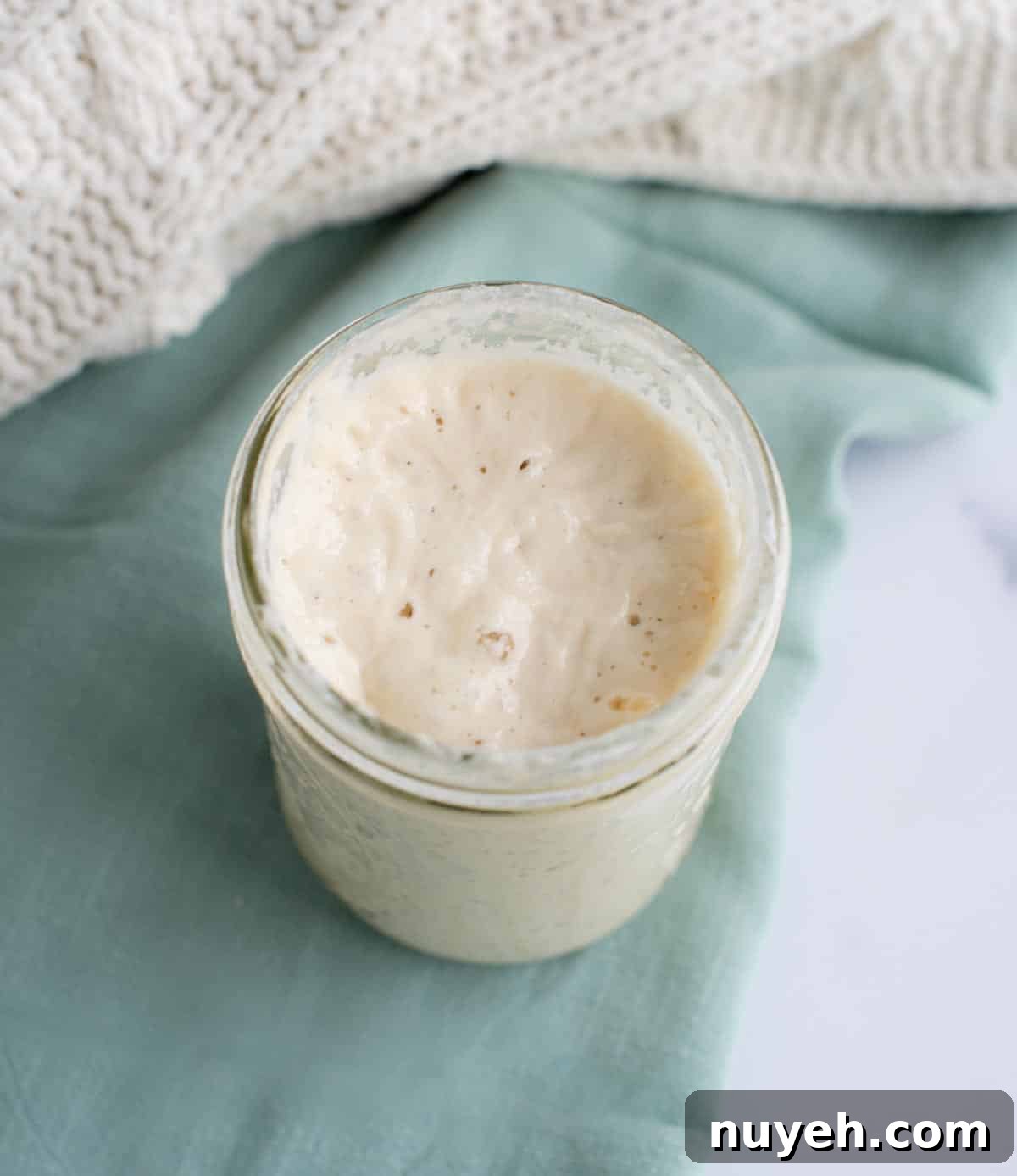
The peak is when a refreshed starter reaches maximum activity and volume after feeding. At peak it’s bubbly, domed, and ready to leaven dough. Shortly after peak the starter will begin to fall as activity slows.
Poke Test
A quick way to gauge readiness: gently press the dough and observe the response. If it springs back quickly, it needs more proofing; if it springs back slowly and leaves a slight indentation, it’s likely ready; if it doesn’t spring back, it may be overproofed.
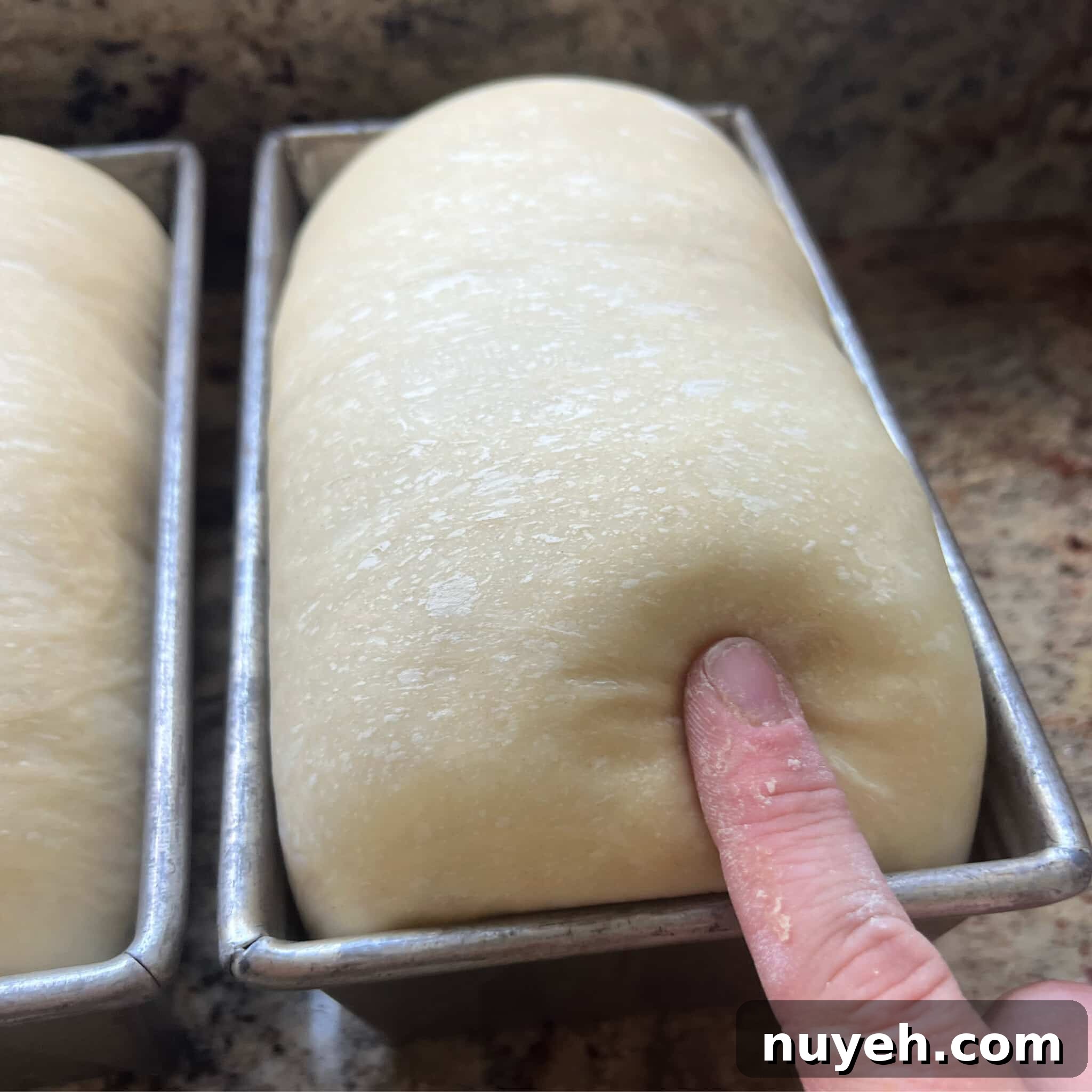
Proofing
Proofing is the fermentation stage where the dough rises and develops flavor and structure. Most often it refers to the final rise after shaping and before baking.
Scoring
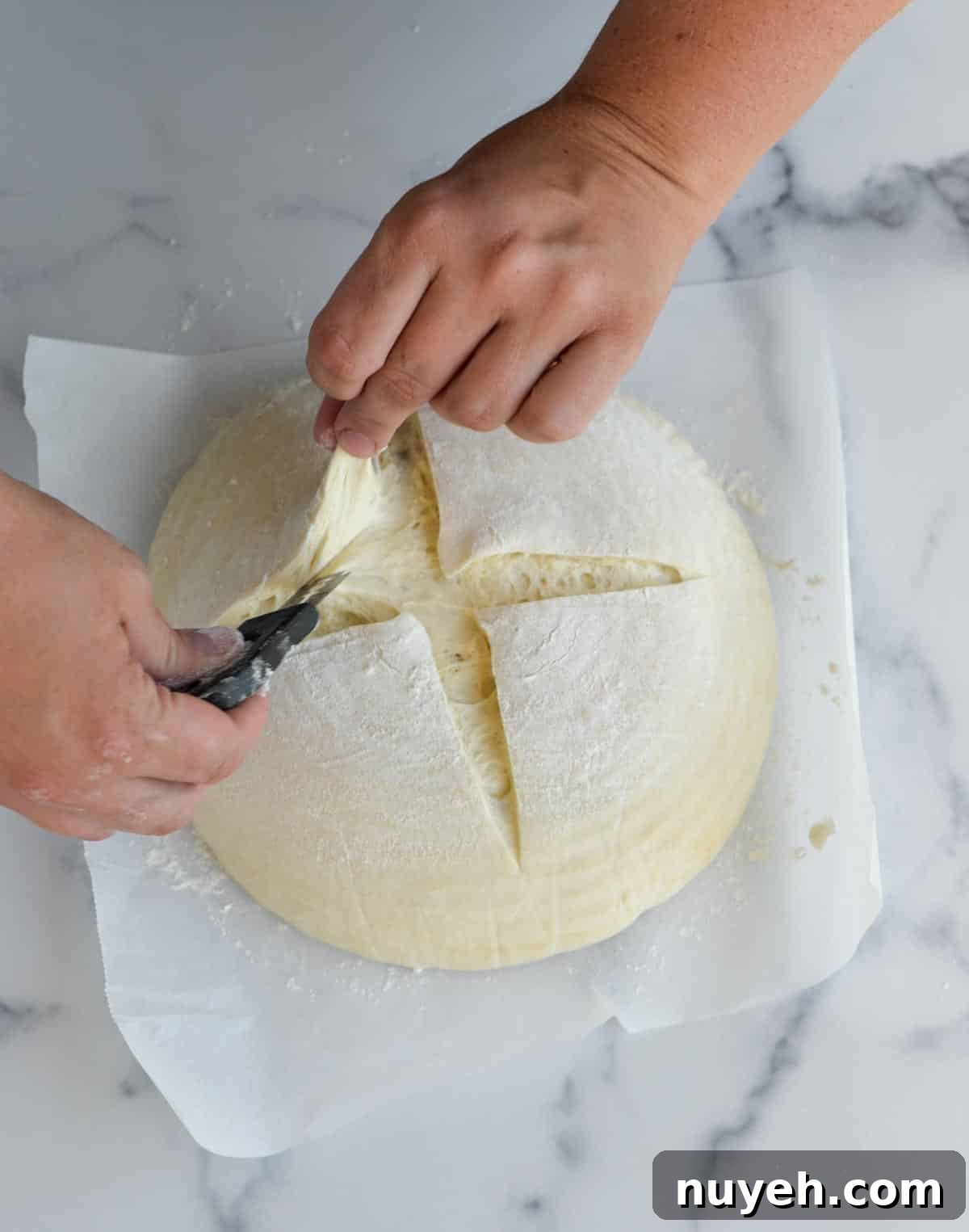
Scoring is making slashes on the dough surface right before baking. It directs expansion, prevents random bursting, and can be used decoratively to control how the loaf opens in the oven.
Shaping
Shaping forms the dough into its final loaf while building surface tension. Proper shaping helps the dough hold gas and produce a clean rise during baking.
Sourdough Starter
A sourdough starter is a living mix of wild yeast and beneficial bacteria cultivated by feeding flour and water. The starter leavens dough and contributes flavor; with regular care it can be maintained indefinitely as a reliable leavening agent.
Stretch and Folds
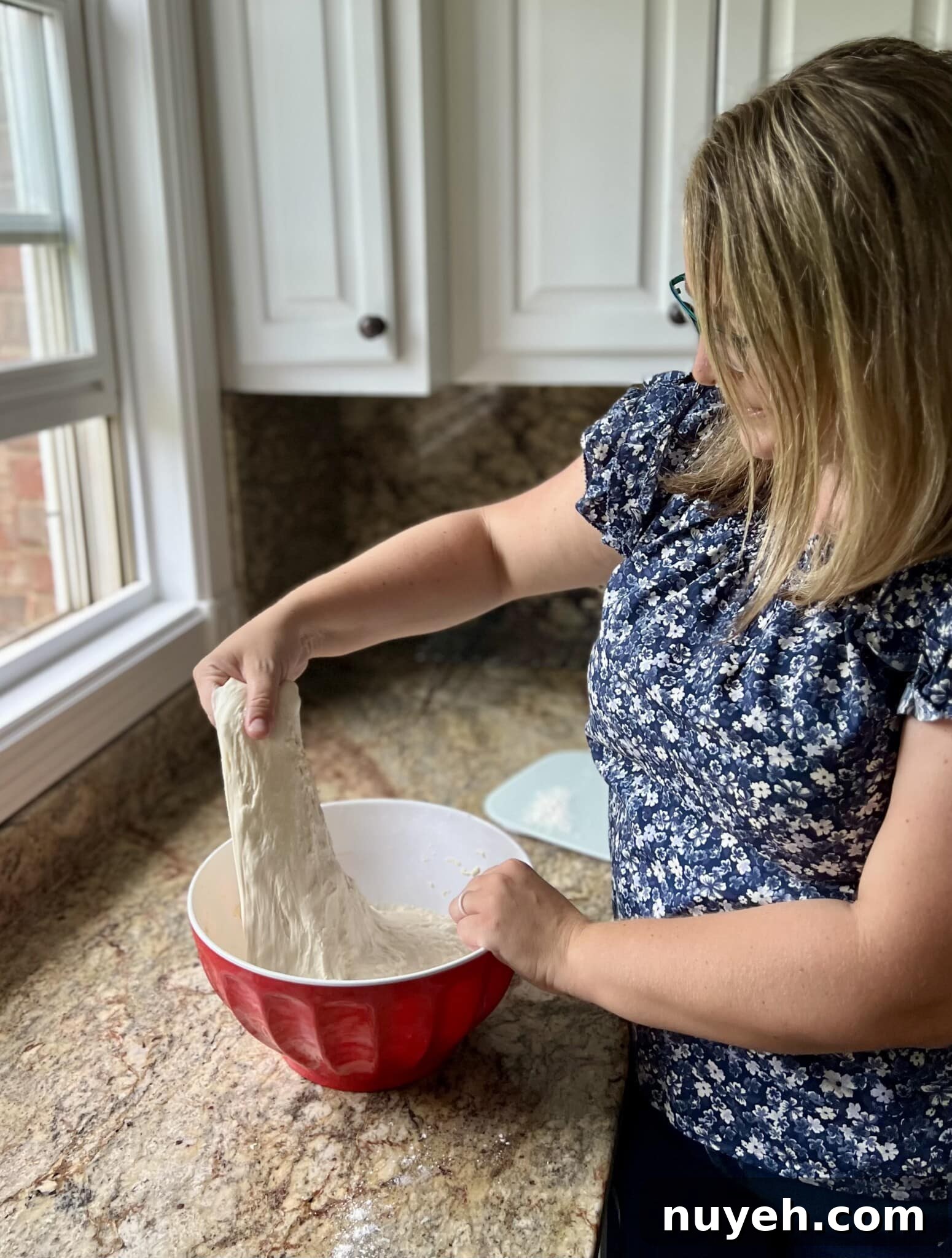
Stretch-and-folds are performed during bulk fermentation to gently develop strength. Reach under the dough, stretch it up, and fold it over; repeat around the bowl every 20–30 minutes until the dough smooths and gains elasticity.
Tension
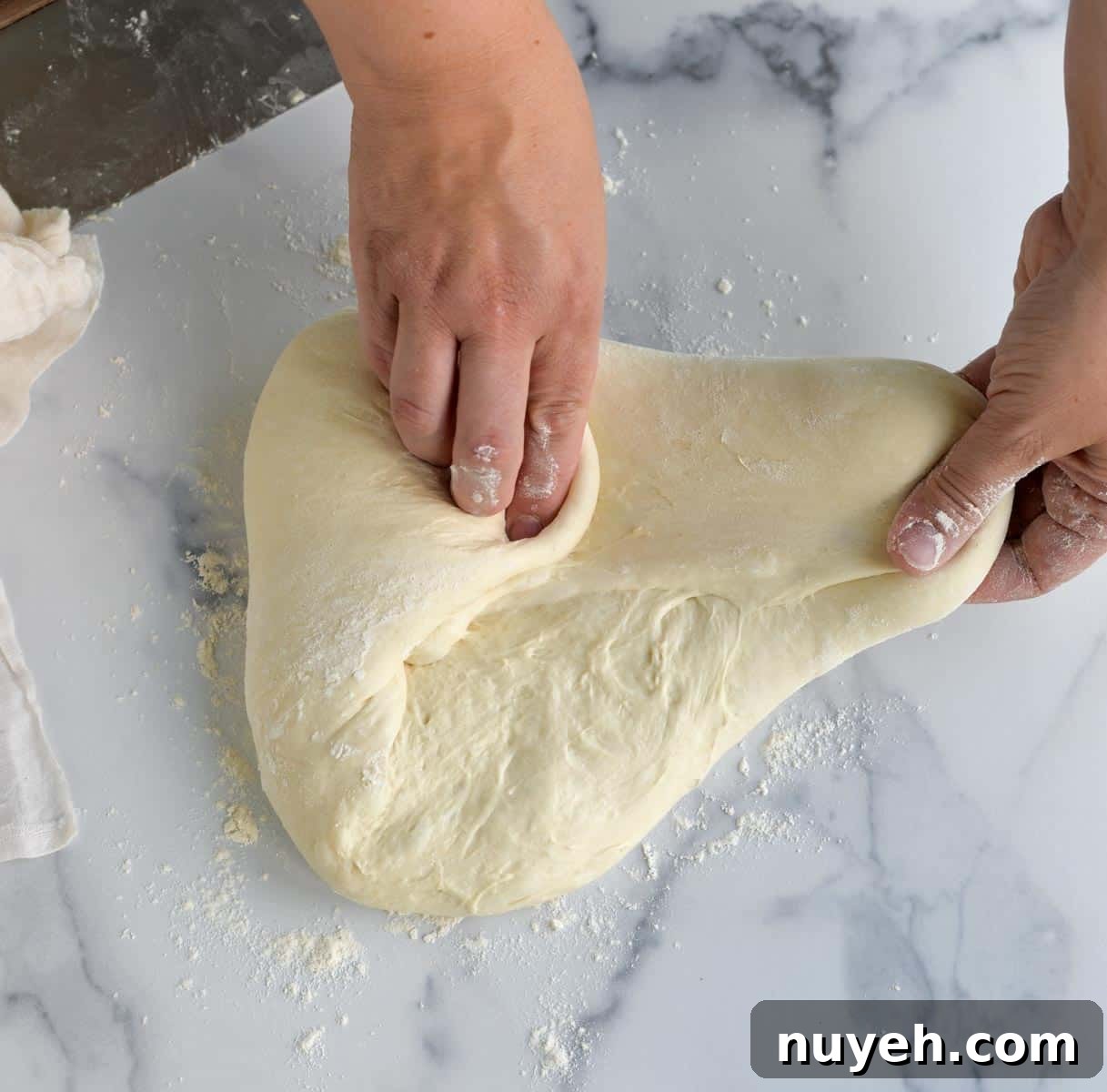
Tension describes the surface strength created during shaping. Proper tension keeps the loaf compact and helps trap gas so the dough rises evenly in the oven.
Underproofed
Underproofed dough hasn’t risen enough; it feels tight and will spring back quickly when poked. Baking underproofed dough often results in uneven oven spring, bursting, and a dense, gummy crumb.
Windowpane Test
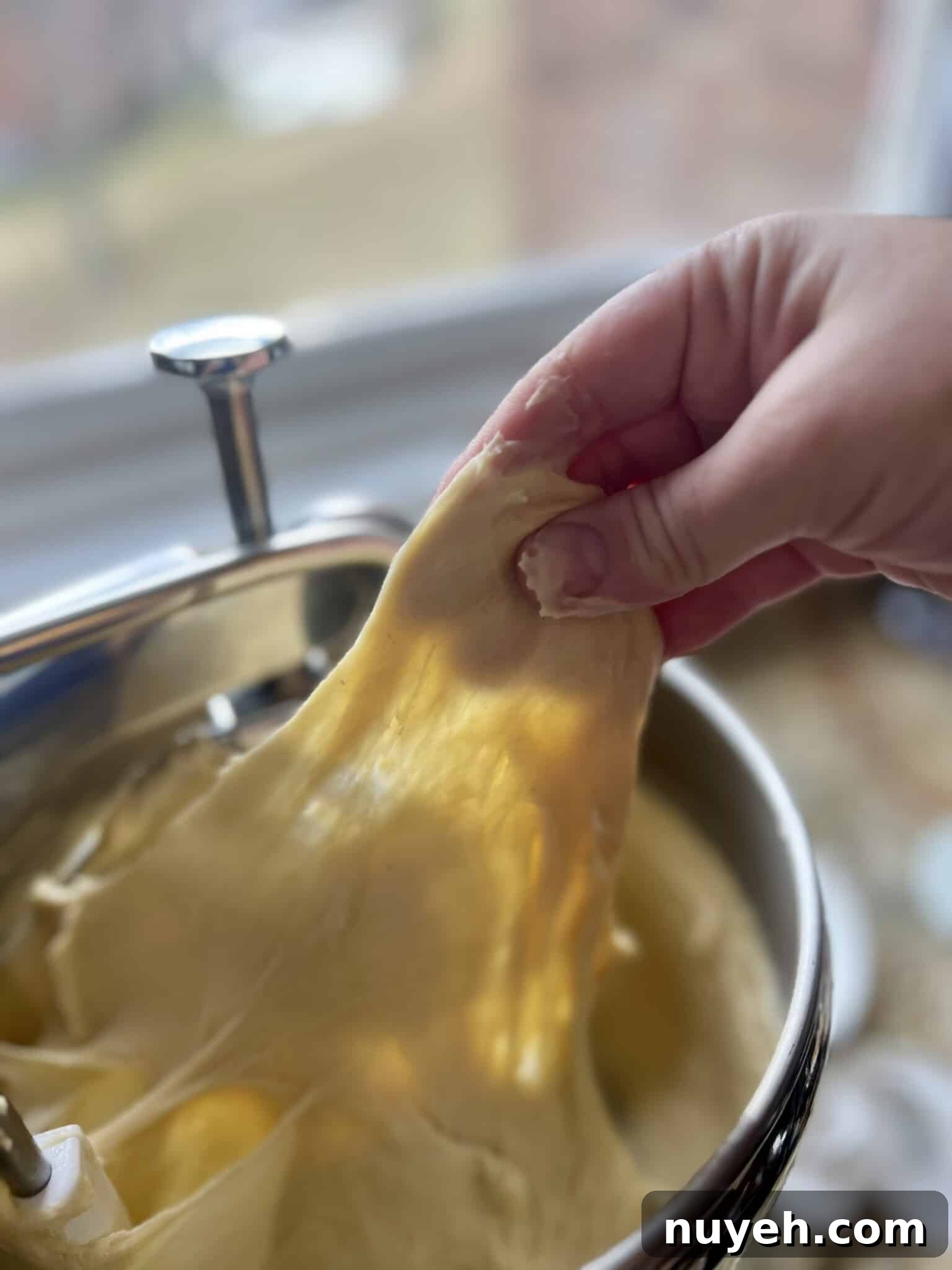
The windowpane test checks gluten development: stretch a small piece of dough until it’s thin enough to let light through without tearing. If it tears easily, the dough needs more mixing or time for strength to build during fermentation.
What to Do Next
Now that you know the key terms, the fastest way to learn is to bake. Start with a simple loaf, observe how each step affects the dough, and adjust timing and hydration as you gain experience.
If you’re new to sourdough, a no-knead beginner recipe is a gentle place to start and walks through each stage. For troubleshooting, consult guides that address common issues like under- or overproofing, dough temperature, and scoring.
Build Your Sourdough Skills
When you’re ready to go deeper, these guides cover starter care, feeding, timelines, and temperature control to help you bake more consistently.