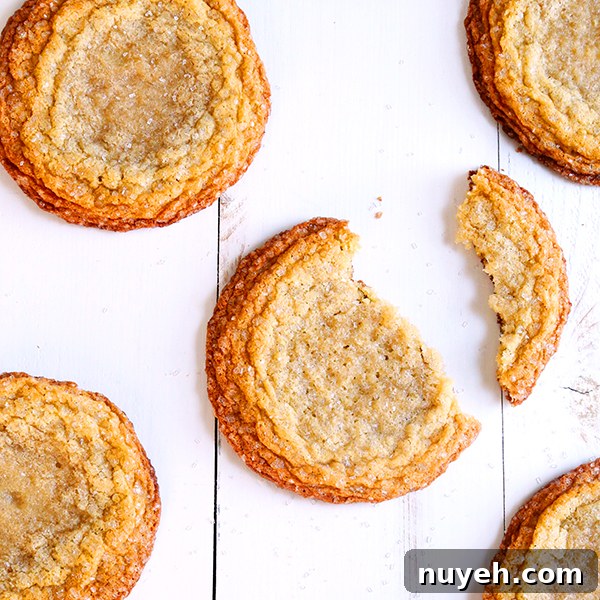
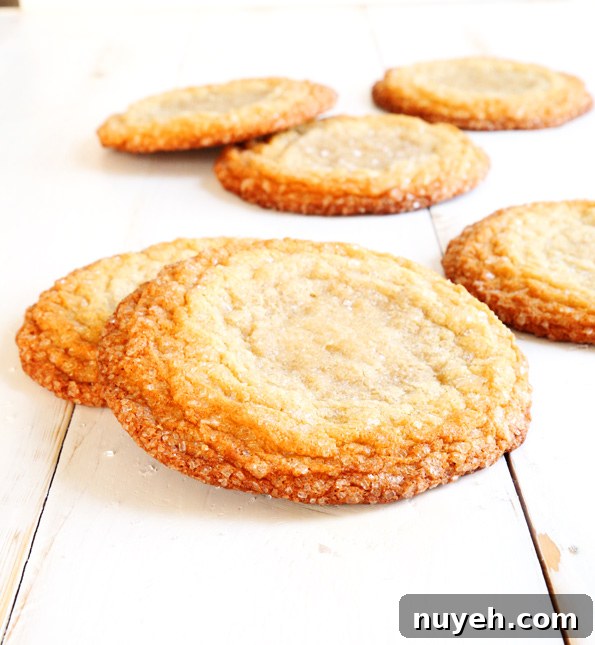
Crispy on the outside and satisfyingly chewy inside, these gluten free New York Times sugar cookies offer a texture and flavor that stand out from ordinary sugar cookies. They deliver a thin, crisp edge with a soft, tender center—perfect for anyone who loves a contrast in every bite. Whether you’re baking for family, guests, or just yourself, these cookies are a delicious example of how a well-made gluten free sugar cookie can rival traditional versions.
members only recipe
This recipe is available to Ad-Free Members of the site. Thank you for considering membership!
Why these gluten free sugar cookies are special
These cookies are notable for their contrast of textures: a delicate, almost crisp rim and an interior that remains chewy and slightly tender. Achieving that balance with gluten free flour can be challenging, but the right combination of ingredients and technique makes it possible. The result is a sugar cookie that keeps its shape, browns evenly, and has a pleasant mouthfeel that’s not too cakey or too crumbly.
Key tips for success
Use a good-quality gluten free all-purpose flour blend. Many blends include stabilizers such as xanthan gum or guar gum; these help give structure and chew to cookies. If your blend does not contain a binder, add a small amount of xanthan gum according to the blend’s recommendations.
Sugar choices matter: using a mix of granulated sugar and light brown sugar helps create both crisp edges (from the granulated sugar) and chewiness (from the molasses in brown sugar). Room-temperature butter and eggs (if used) incorporate more evenly, improving texture and spread.
Chill the dough briefly if it feels too soft—this prevents excessive spreading in the oven and helps maintain a thin chewy center. Bake on a lined or silicone-matted sheet to promote even browning, and watch closely during the last few minutes; removing the cookies when the edges are lightly golden helps preserve chewiness.
Technique and handling
For thin, crackled cookies, roll dough balls lightly in granulated sugar before baking. Flattening slightly with the palm or bottom of a glass encourages an even, thin shape. Avoid overmixing once you add the dry ingredients—mix only until combined to keep tenderness.
If decorating, wait until the cookies have cooled completely. Royal icing or a simple glaze adheres best to fully cooled cookie surfaces. For a rustic look, keep the sugar coating visible and skip intricate piping.
Storage and freezing
Store baked cookies in an airtight container at room temperature for up to five days; adding a slice of bread to the container can help maintain softness. For longer storage, freeze baked cookies between layers of parchment and thaw at room temperature before serving.
Cookie dough freezes and bakes well. Shape dough into balls and freeze on a tray; once firm, transfer to a sealed bag or container. When ready to bake, add a minute or two to the baking time if baking from frozen, and monitor the cookies closely to avoid overbrowning.
Troubleshooting common issues
If cookies are too crumbly: check the flour blend—some gluten free blends are drier than others and may need a touch more fat or a binding agent. If too dense: avoid overpacking the flour and do not overmix after adding dry ingredients. If cookies spread too much: chill the dough before baking and confirm your oven temperature is accurate.
Serving suggestions
These gluten free sugar cookies are versatile—serve them plain for a simple treat, dust with a little powdered sugar, or decorate with a thin glaze for a glossy finish. They pair beautifully with coffee, tea, or a cold glass of milk and make a welcoming homemade gift when stacked in a box with parchment between layers.
With attention to ingredient quality and a few straightforward techniques, you can enjoy sugar cookies that are crisp at the edges, chewy in the center, and fully gluten free—an impressive and tasty addition to any baking lineup.