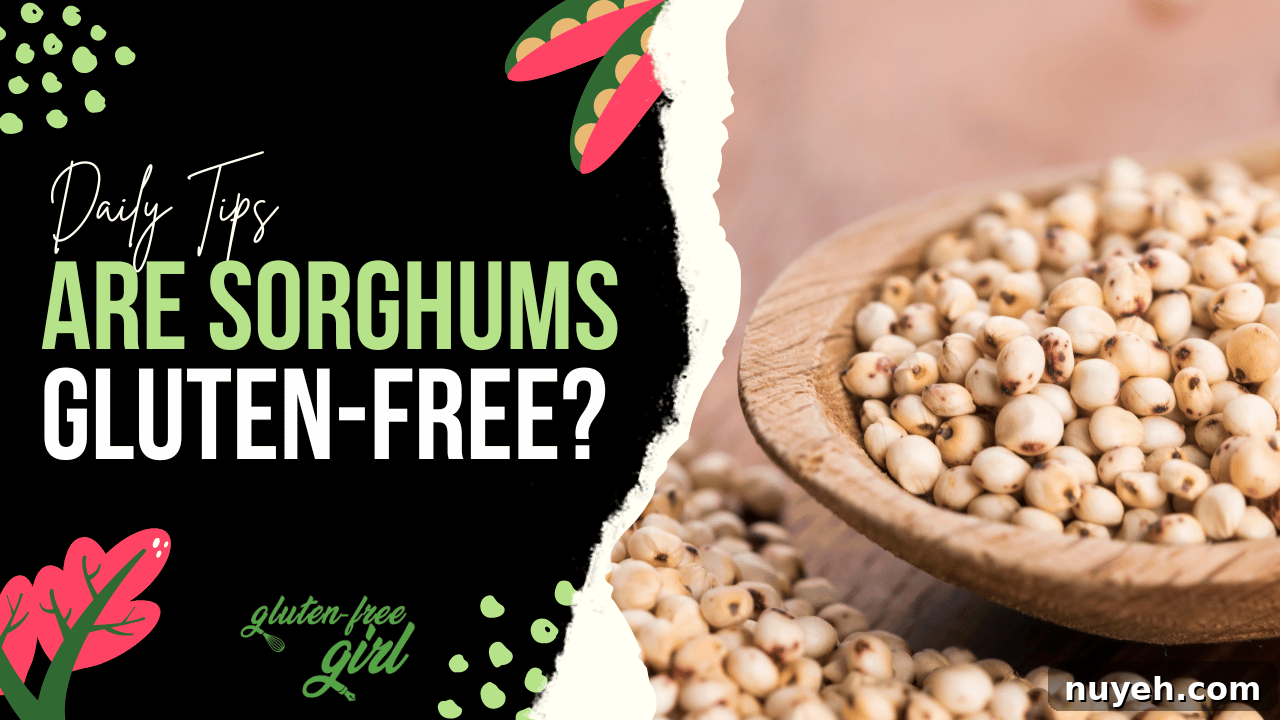
Yes, sorghum is gluten-free. Sorghum is a naturally gluten-free whole grain and a nutritious alternative to gluten-containing cereals. It provides protein, fiber, iron, vitamins, and minerals, and can be used as a substitute for wheat, barley, and rye in many recipes. Because sorghum can be exposed to gluten-containing grains during processing and storage, choose products specifically labeled or certified gluten-free when you need to avoid gluten.
Experts who monitor gluten contamination in naturally gluten-free grains emphasize the importance of buying from reputable, verified sources. Cross-contact is a common risk—especially with bulk bins or shared equipment—so ask about handling procedures and prefer certified suppliers when possible.
In some contexts sorghum is described as a starchy grain with vegetable-like qualities. For people with celiac disease or non-celiac gluten sensitivity, sorghum offers a gluten-free option that supports a balanced diet while supplying important nutrients.
For individuals with celiac disease, strict avoidance of gluten is the only proven way to control symptoms and prevent long-term complications. Celiac disease is an autoimmune condition triggered by the gluten proteins in wheat, barley, and rye; it causes inflammation and damage to the small intestine that impairs nutrient absorption. Prominent researchers have documented the need for strict gluten avoidance to manage the disease.
Sorghum is commonly incorporated into gluten-free meal plans and recipes. It appears in salads, pilafs, porridges, baked goods, and more—making it a versatile ingredient for people following a gluten-free Mediterranean-style or other balanced eating patterns.
Can a Patient with Celiac eat Sorghum?
Yes. Scientific studies and clinical trials indicate that sorghum is generally safe for people with celiac disease when it is free from cross-contamination. Trials that exposed celiac tissue samples and patients to sorghum-derived products showed no significant immune or intestinal damage and no increase in disease-related antibodies over short challenges. These findings support sorghum as a suitable gluten-free grain.
Still, because cross-contamination can occur during farming, transport, milling, or storage, people with celiac disease should choose certified gluten-free sorghum products and buy from trusted manufacturers to minimize risk.
What Gluten-free Dishes can you cook with Sorghum?
Here are several gluten-free dishes you can prepare using sorghum:
- Sorghum Salad with Fresh Vegetables: Cooked sorghum tossed with bell peppers, cucumbers, tomatoes, herbs, and a light vinaigrette. The grain’s chewy texture makes it a great alternative to pasta or couscous salads.
- Sorghum and Vegetable Stir-Fry: Stir-fried vegetables with cooked sorghum, seasoned with gluten-free sauces and aromatics for a quick, nutritious meal.
- Sorghum Flour Pancakes: Pancakes made with sorghum flour, often blended with other gluten-free flours for light, tender results and a mild, slightly sweet flavor.
- Sorghum and Chicken Casserole: A hearty casserole combining cooked sorghum, shredded chicken, vegetables, and a creamy or tomato-based sauce for a filling family meal.
- Sorghum Energy Bars: Whole-grain sorghum mixed with nuts, seeds, dried fruit, and a binder such as honey or nut butter for homemade snack bars.
- Sorghum and Black Bean Tacos: A filling of cooked sorghum and black beans seasoned with spices, served in corn tortillas and topped with salsa and avocado.
Sorghum contributes distinctive texture and nutrition to each dish, making it a flexible base for both sweet and savory gluten-free recipes.
How to Keep Sorghum Gluten-free?
Follow these best practices to maintain sorghum’s gluten-free integrity:
- Buy certified gluten-free sorghum when possible; certification indicates testing and adherence to gluten-free standards.
- Avoid bulk bins unless you can confirm strict handling procedures; cross-contact is more likely in shared bins.
- Rinse whole sorghum thoroughly under cold water and remove debris before cooking.
- Use dedicated cookware, utensils, and prep surfaces for gluten-free foods or wash shared equipment thoroughly before use.
- Read labels on processed sorghum products (flour, cereals, snacks) and look for gluten-free statements to reduce contamination risk.
- Inform and train household members or kitchen staff about cross-contamination risks and safe handling practices.
Common sources of cross-contamination include shared cutting boards, utensils, bulk containers, and frying oil previously used for gluten-containing foods. Preventing these exposures preserves sorghum’s gluten-free status.
Does Sorghum Flour have Gluten?
No. Sorghum flour is naturally gluten-free because it is made from the sorghum grain, which does not contain gluten proteins. It is widely used as a gluten-free alternative to wheat flour and can be used in breads, pancakes, cookies, and other baked goods. For those with celiac disease or severe gluten sensitivity, purchase sorghum flour labeled or certified gluten-free to avoid risk of cross-contamination.
Is Baked Sorghum Gluten-free?
Yes. Baked items made with pure sorghum flour are gluten-free, provided no gluten-containing ingredients are added and cross-contamination is prevented. Whether baking at home or buying commercially prepared products, ensure equipment and ingredients are gluten-free or properly cleaned and that packaging indicates a gluten-free status when necessary.
Is Fried Sorghum Gluten-free?
Fried sorghum is gluten-free if the grain or batter is made from gluten-free ingredients and the frying oil and utensils have not been contaminated by gluten-containing foods. Use fresh oil and dedicated or thoroughly cleaned equipment to avoid cross-contact, and confirm ingredients are certified gluten-free when dining out.
How Can Cross-Contamination with Gluten Be Prevented when Preparing Sorghum?
Prevent cross-contamination by maintaining a clean, organized kitchen and following clear procedures: use separate or well-cleaned utensils, sanitize work surfaces, avoid shared frying oil, label gluten-free containers, and store sorghum away from gluten-containing grains. Proper training for family members or staff and choosing certified gluten-free products further reduce risk.
Are Sorghum Desserts Gluten Free?
Yes. Desserts made from sorghum or sorghum flour are gluten-free when prepared with gluten-free ingredients and handled to prevent cross-contamination. Look for products labeled or certified gluten-free, and balance indulgent treats with a variety of naturally gluten-free whole foods—rice, quinoa, millet, fruits, vegetables, legumes, and lean proteins—for overall nutrition. Consult a registered dietitian or healthcare provider for personalized guidance if you have celiac disease.
Is Sorghum Cakes with Cinnamon Sauce Gluten Free?
A sorghum cake with cinnamon sauce can be gluten-free if the cake is made exclusively with gluten-free flours (such as sorghum flour and other certified gluten-free blends) and all other ingredients and preparation steps avoid cross-contact. Verify ingredients, use dedicated equipment or thoroughly cleaned tools, and, when purchasing ready-made items, choose those labeled gluten-free to ensure safety.
Are Millet Grains Gluten Free like Sorghum?
Yes. Millet is another naturally gluten-free ancient grain and a good option for people with celiac disease or gluten sensitivity. Like sorghum, millet can be ground into flour for baking or cooked whole for porridges, salads, and side dishes. It offers fiber, vitamins, and minerals and works well in a variety of gluten-free recipes. As with sorghum, choose millet products labeled gluten-free to avoid cross-contamination.