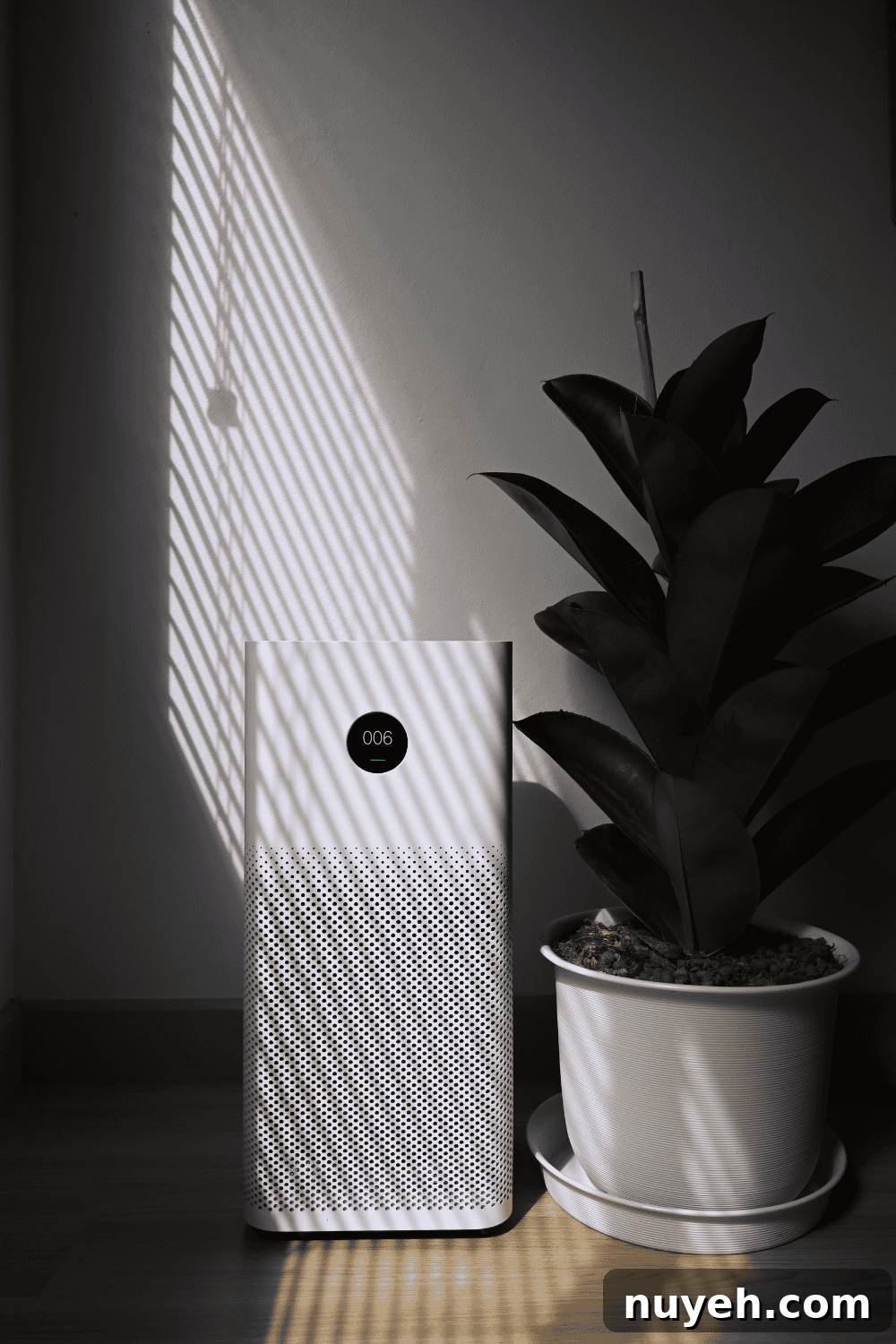
A newly launched government-funded pilot in San Francisco is distributing free air filters to low-income tenants living in single-room occupancy hotels (SROs). The program targets residents who face elevated risks from poor indoor air quality, including people with asthma and other chronic lung conditions, and seeks to reduce respiratory symptoms through practical in-home interventions.
The initiative, financed by the Bay Area Air Quality Management District, provided portable air filters to 50 tenants during July and August. Many recipients live in aging SRO buildings that lack modern heating, ventilation, and air conditioning systems. Those structural deficits contribute to persistent indoor air problems and correlate with higher rates of respiratory illness among SRO residents compared with the general population.
Public health data highlight the disparity: a 2017 report from the Department of Public Health found that adults living in SROs experience roughly twice the citywide rate of asthma hospitalizations and three times the rate of chronic obstructive pulmonary disease (COPD). The pilot program aims to reduce that burden by improving air quality inside individual rooms where residents spend most of their time.
Structural Causes of Poor Air Quality
Many single-room occupancy buildings were constructed before modern ventilation standards and have not been retrofitted. The absence of reliable heating, cooling, and mechanical ventilation creates conditions that allow moisture buildup, mold growth, and the accumulation of indoor pollutants. Common problems in SRO units include toxic black mold driven by excessive humidity, airborne contaminants released during cooking and indoor smoking, and infiltration of outdoor pollution through windows and thin building envelopes—especially in neighborhoods with high vehicle emissions.
Sheyenne White, a community organizer with the Central City SRO Collaborative, describes the trade-off residents face: keep windows closed to limit outdoor pollutants but risk stale, unhealthy indoor air, or open windows to ventilate and let in exhaust and fine particles. That daily dilemma underscores how building design and urban air pollution work together to worsen indoor conditions.
Reducing Barriers for Low-Income Tenants
At the pilot’s start, administrative requirements limited participation. Tenants were initially asked to complete two interviews and provide physician documentation confirming respiratory diagnoses. For many low-income residents, securing medical notes and attending multiple appointments presented a major obstacle. “It was a major barrier to get the paperwork in order,” said Peter Rauch, a tenant organizer with the Central City SRO Collaborative, noting how bureaucratic hurdles can prevent the most vulnerable from accessing simple health protections.
Tenant organizers advocated for lowering those barriers, and the program adjusted its enrollment process. Applicants now complete a single survey to determine eligibility, and proof of a medical condition is no longer required. That change has made the program more accessible and allowed more residents to receive filters quickly, increasing the pilot’s potential public health impact.
Positive Early Results
Early feedback from participants suggests tangible benefits. Several tenants reported noticeable improvements in indoor air and reductions in symptoms such as coughing and nighttime breathing difficulties. John Britt, a tenant at Clementina Towers, said his asthma symptoms have eased since receiving a filter, calling the device a meaningful source of relief in an otherwise difficult living situation.
Although the current pilot is small, its early success has opened conversations about expanding funding and distributing additional air filters to other low-income tenants across the city. Program leaders emphasize that portable air cleaners are an effective near-term intervention, but they also stress that lasting change will require investments in policy and building upgrades.
Long-term solutions to improve indoor air quality in SROs include building retrofits to add proper ventilation, repairs to eliminate moisture and mold, updated heating and cooling systems, and policies that prioritize healthy housing for low-income residents. Combining immediate interventions like portable air filters with sustained building and policy improvements would address both symptoms and root causes of poor indoor air in San Francisco’s SROs.
Local reporting on the pilot and community efforts to streamline access to clean air purifiers has highlighted how grassroots organizing and targeted public funding can reduce barriers and deliver measurable benefits to vulnerable tenants.