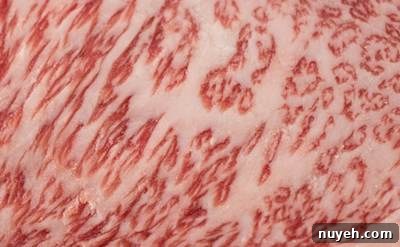
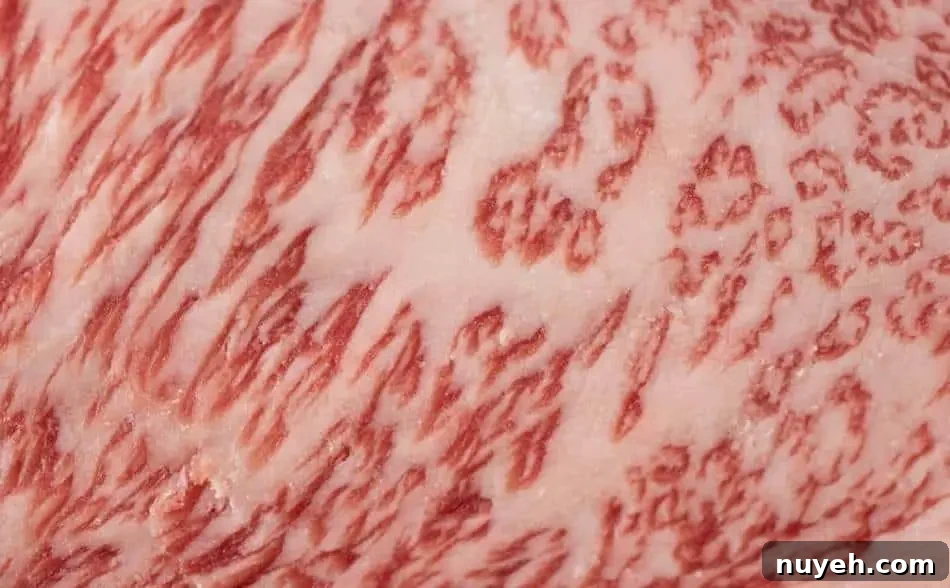
Choosing the right brisket for smoking starts at the butcher counter. Knowing how to evaluate marbling, fat cap, and beef grade will dramatically increase your chances of ending up with a tender, juicy, and flavorful result. This article explains what brisket marbling is, why it matters, how beef is graded, and practical tips for selecting a brisket ideal for low-and-slow smoking.
Key Points
- Marbling refers to the thin streaks of intramuscular fat that make meat juicier and more flavorful when cooked low and slow.
- The brisket point typically has more marbling than the flat and is preferred by many pitmasters for smoking.
- During a long cook, marbling renders and bastes the meat from within, improving tenderness and taste.
- Marbled brisket adds richness but may be less appropriate for strict low-fat diets.
- Beef grades—from USDA Select to USDA Prime and specialty Wagyu—reflect age and intramuscular fat content.
- Marbling scores quantify fat within the meat, with higher numbers indicating more intramuscular fat.
- When possible, buy the best grade you can afford (USDA Choice, USDA Prime, or Wagyu) and favor cuts with visible marbling.
What Is Marbled Brisket?
Marbled brisket shows thin white lines of fat running through the red muscle. These fat streaks, called intramuscular fat or marbling, melt during cooking and help keep the meat moist while adding flavor. A brisket with little to no marbling will look uniformly red, while a well-marbled brisket displays visible, evenly distributed fat throughout the meat. For smoking, marbling is a desirable trait because it reduces the risk of drying out over a long cook.
| Quality | Marbling | Marbling Score | Grade |
|---|---|---|---|
| Lowest | Low | 3 | USDA Standard |
| Low | Low | 3-6 | USDA Select |
| Good | Moderate | 6-8 | USDA Choice |
| Excellent | High | 8-11 | USDA Prime |
| Exceptional | Very high | 11-13 | Wagyu, Kobe |
Brisket Marbling: Does It Really Matter?
Yes. For long, low-temperature smoking, marbling matters because the intramuscular fat renders into the surrounding muscle, improving juiciness and flavor. A lean brisket with little marbling is more likely to dry out during an extended cook, even when other techniques—such as temperature control, mopping, wrapping, and resting—are well executed. Selecting quality meat gives you a strong advantage before the first coals are lit.
Is Marbling Good Or Bad?
Marbling is good for flavor and texture if dietary fat is not a concern. The fat carries and amplifies flavor, and as it melts it helps keep the slices succulent. For those on a strict low-fat diet, a leaner brisket may be preferable, but lean cuts require careful handling to avoid dryness. Even lean brisket can be enjoyable when prepared correctly, but heavily marbled cuts are generally more forgiving for smoking and more likely to produce competition-quality results.
What Are USDA Beef Grades?
Independent inspectors assign beef grades based on the animal’s age and intramuscular fat. USDA Standard and USDA Select represent lower marbling levels. USDA Choice offers moderate marbling and is a reliable option for smoking. USDA Prime has higher visible marbling and tends to be used in restaurants. Above USDA Prime are specialty grades such as Wagyu and Kobe, which are known for exceptional marbling. When possible, opt for Choice or Prime to improve your smoked brisket’s outcome.
What Is Marbling Score?
A marbling score quantifies the amount of fat within the muscle. Scores typically range from low single digits up to around 13, with higher scores indicating more intramuscular fat. USDA Prime and premium Wagyu will have notably higher marbling scores, while Select and Standard sit at the lower end of the scale. Knowing the marbling score or visually assessing fat distribution helps you choose the right cut for smoking.
What To Look For When Selecting Brisket
- Visible, even marbling throughout the meat.
- Buy the best grade you can afford—USDA Choice, USDA Prime, or Wagyu for exceptional marbling.
- If buying a half brisket, favor the point for its higher fat content and richer flavor.
- Inspect the fat cap; avoid paying for an excessively thick layer you’ll trim away.
How to Choose A Brisket For Smoking
Train your eye to spot intramuscular fat when shopping. Look for white lines woven through the red muscle and a good balance between fat and meat. Consider how much trimming you’ll need to do—an overly thick fat cap will be trimmed off and discarded, so a moderate cap is preferable. If possible, select a whole brisket or the point cut when marbling and richness are priorities. Prioritizing quality at purchase reduces the chance of a dry or tough final product.
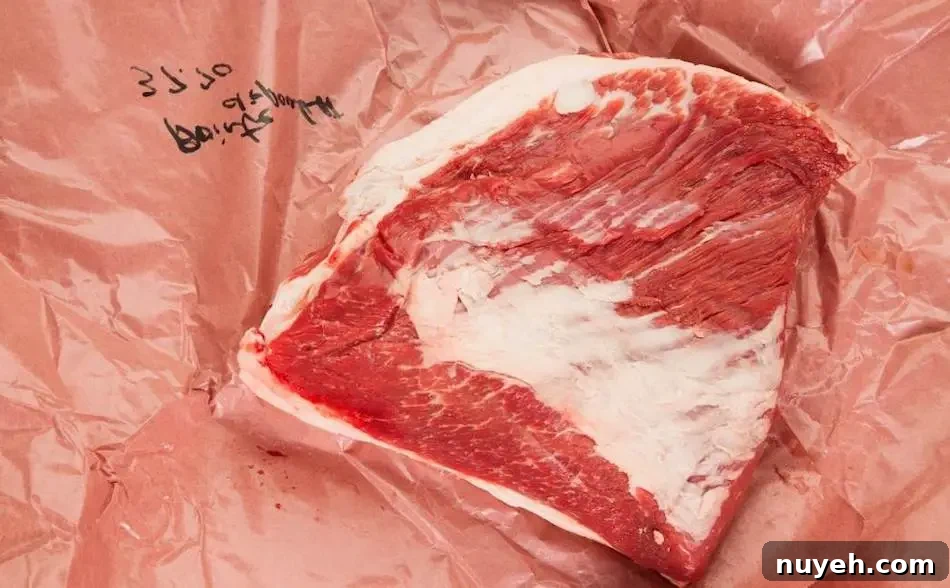
Wagyu Brisket
Wagyu cattle produce some of the most marbled beef available. Brisket from Wagyu carries abundant intramuscular fat that renders down to create an exceptionally tender, rich eating experience. Wagyu brisket is a premium option and typically comes at a much higher price point, so it’s an investment for special occasions or competitive cooks seeking extreme marbling.
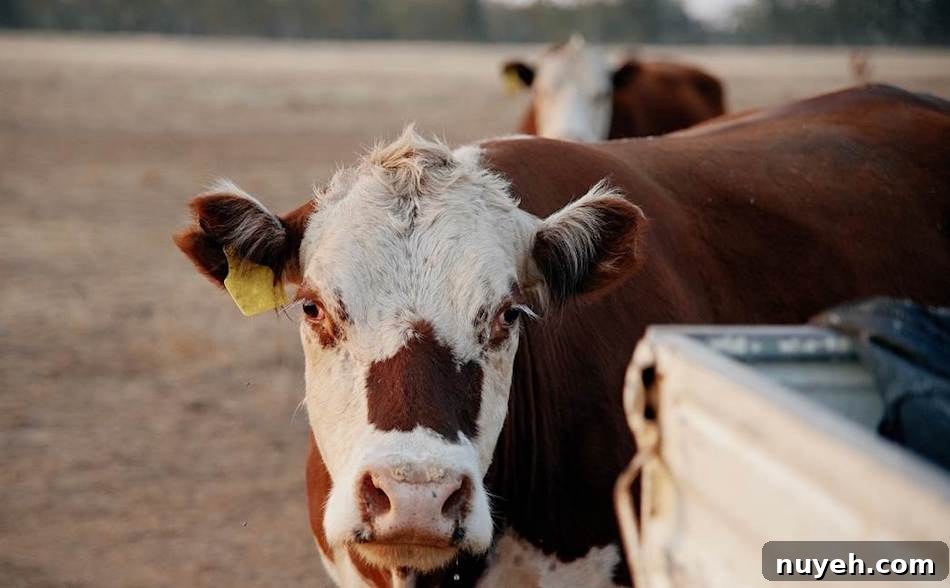
Angus Brisket
Angus beef is known for consistent quality and good flavor. Certified Angus Beef programs often meet higher marbling standards and are commonly available in the U.S. An Angus brisket, especially when graded Choice or Prime, is a dependable choice for smoking and will typically deliver satisfying results.
Extra Tips: How to Smoke a Tender Juicy Brisket
Selecting well-marbled, high-quality meat sets the foundation. Combine that with sound technique and you’ll be rewarded with a tender brisket.
- Choose the highest quality meat you can afford.
- Select a brisket with visible, even marbling.
- Keep smoker temperatures steady and under 220°F for low-and-slow cooking.
- Baste or mop periodically before wrapping to maintain surface moisture.
- Wrap the brisket in foil or butcher paper around 150°F to push through the stall.
- Cook to an internal temperature around 203°F for ideal tenderness.
- Allow the brisket to rest 2–4 hours after cooking to let juices redistribute before slicing.