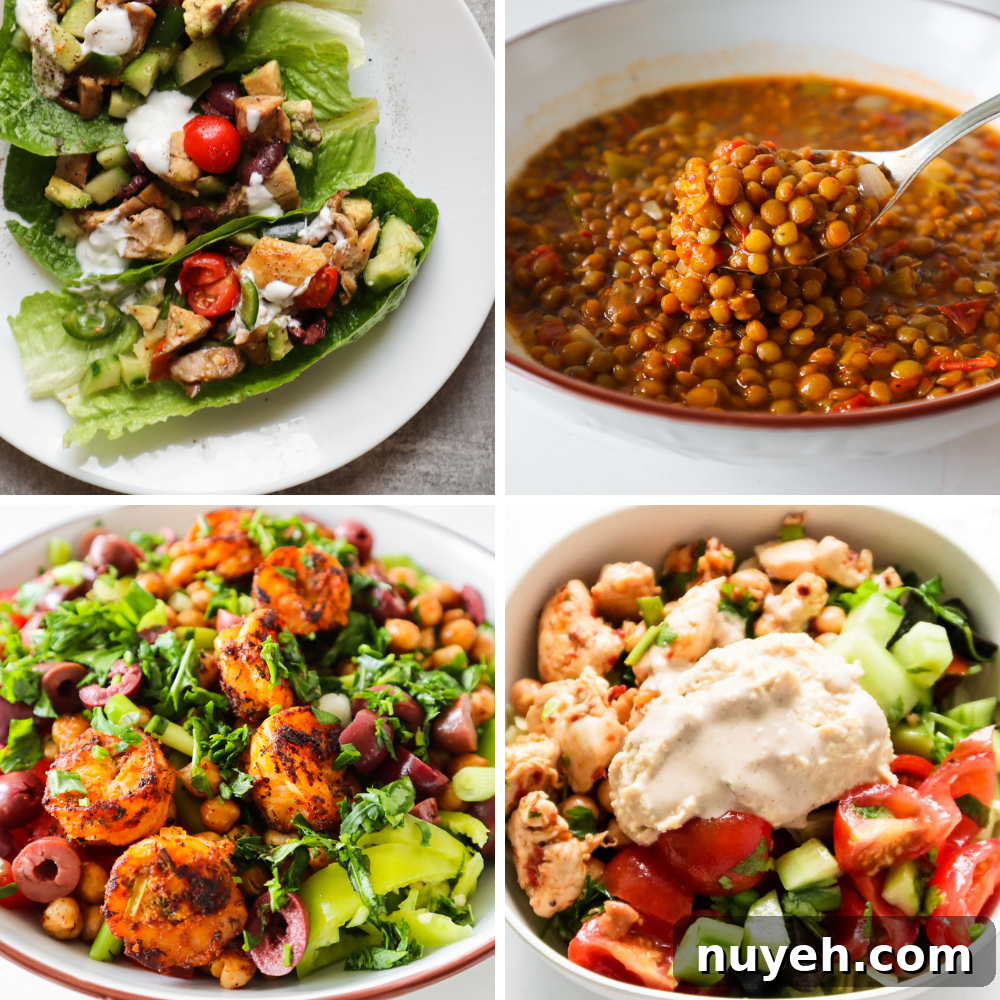
Low glycemic diets can improve health, reduce inflammation and help prevent many chronic conditions. Below are curated healthy low GI recipes for breakfast, lunch and dinner, along with practical tips for following a low-glycemic diet. These recipes focus on low glycemic load meals that can support weight loss, steady blood sugar and a lower risk of cardiovascular disease and type 2 diabetes.
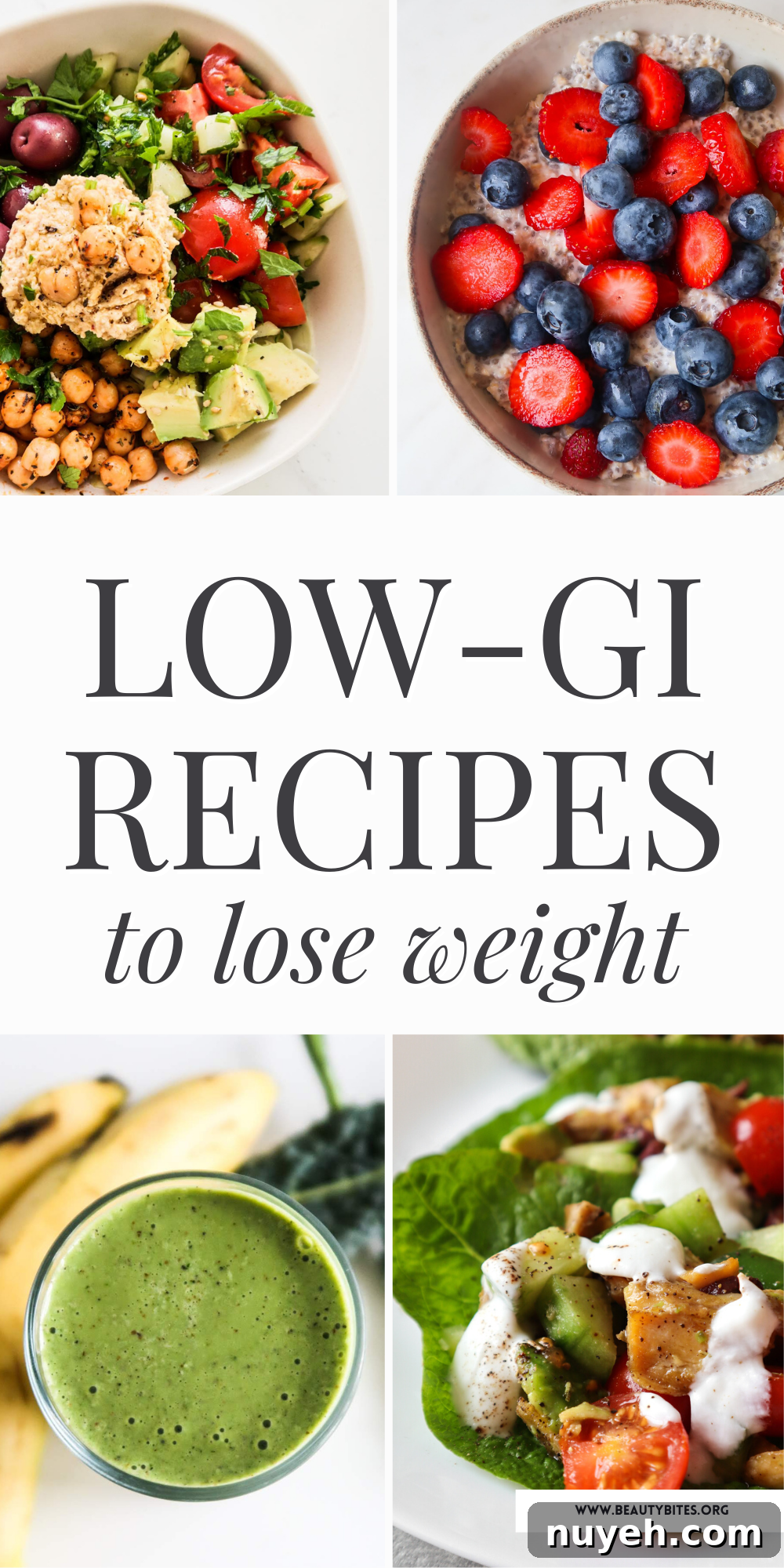
The low-glycemic meals collected here are satisfying and full of flavor. They emphasize whole, nutrient-dense ingredients and antioxidants that help reduce oxidative stress — a key factor in many chronic diseases.
Low Glycemic Diet
A low glycemic diet emphasizes foods with a lower glycemic index (GI). The glycemic index ranks carbohydrate-containing foods on a 0–100 scale according to how quickly they raise blood sugar. Foods with a GI below 55 are considered low glycemic, 56–69 medium, and 70+ high.
Rapid blood sugar spikes trigger larger insulin responses. Excessive insulin can then lower blood sugar too far, causing a “sugar crash” that leads to cravings and overeating. When this cycle repeats, it raises the risk of insulin resistance and weight gain, which contribute to chronic conditions over time.
Put simply: the glycemic index helps you choose carbohydrates that raise blood sugar more gradually. Low GI foods are often higher in fiber, vitamins and antioxidants and include many fruits and vegetables, nuts, seeds, legumes, certain whole grains and protein-rich foods like fish, poultry and tofu.
Why a Low Glycemic Load Diet
Benefits of a low glycemic load diet include improved blood sugar management, weight control and a lower risk of heart disease, diabetes and some cancers. High glycemic diets, in contrast, have been associated with metabolic syndrome and higher disease risk.
Personal motivations vary — for many people a low GI approach is a balanced, sustainable option compared with very low-carb plans. It can be adapted to individual needs, food intolerances and long-term goals like optimizing metabolic health before pregnancy.
Currently I follow a mostly gluten- and dairy-free approach, although I sometimes include small amounts of cheeses like Parmesan or feta. Many of the recipes below are naturally gluten-free; adjust them to match your food preferences and tolerances.
More Than the Glycemic Index
The glycemic load of a meal — which considers both the GI of foods and portion size — is more important than the GI of a single ingredient. Even a low-GI food eaten in large amounts can raise blood sugar substantially. How you combine foods also matters: fats, proteins, nuts and acidic ingredients such as vinegar can blunt the glucose response when eaten with carbohydrate-rich foods.
Preparation affects GI too. For example, boiling versus baking certain starchy vegetables can change their glycemic response. That’s why portion control, food combinations and cooking methods all play a role in keeping blood sugar steady.
Low GI Breakfast Recipes
Here are favorite breakfast ideas that are low GI-friendly, energizing and easy to prepare.
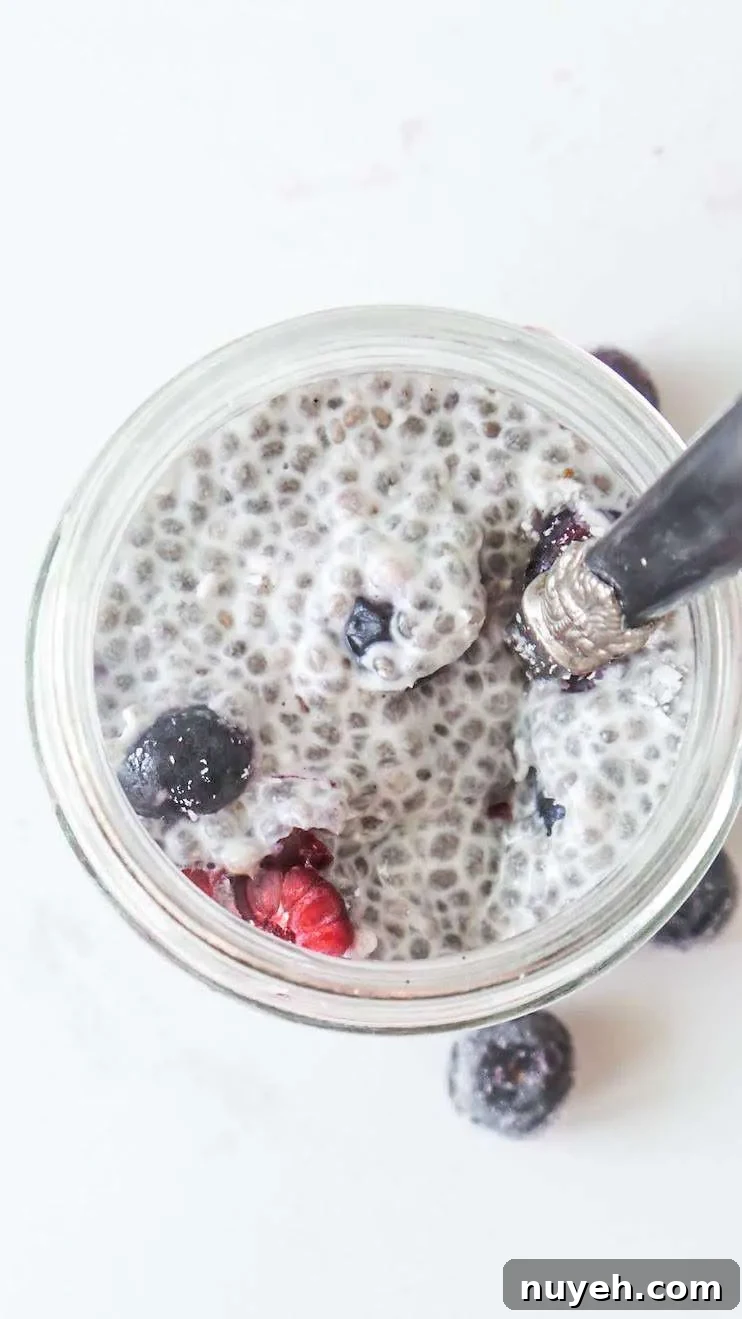
Easy Vanilla Chia Pudding
Refreshing and simple: chia seeds soaked in nut milk with a touch of vanilla and fresh berries. Chia pudding provides fiber, healthy fats and sustained energy with a low glycemic load.
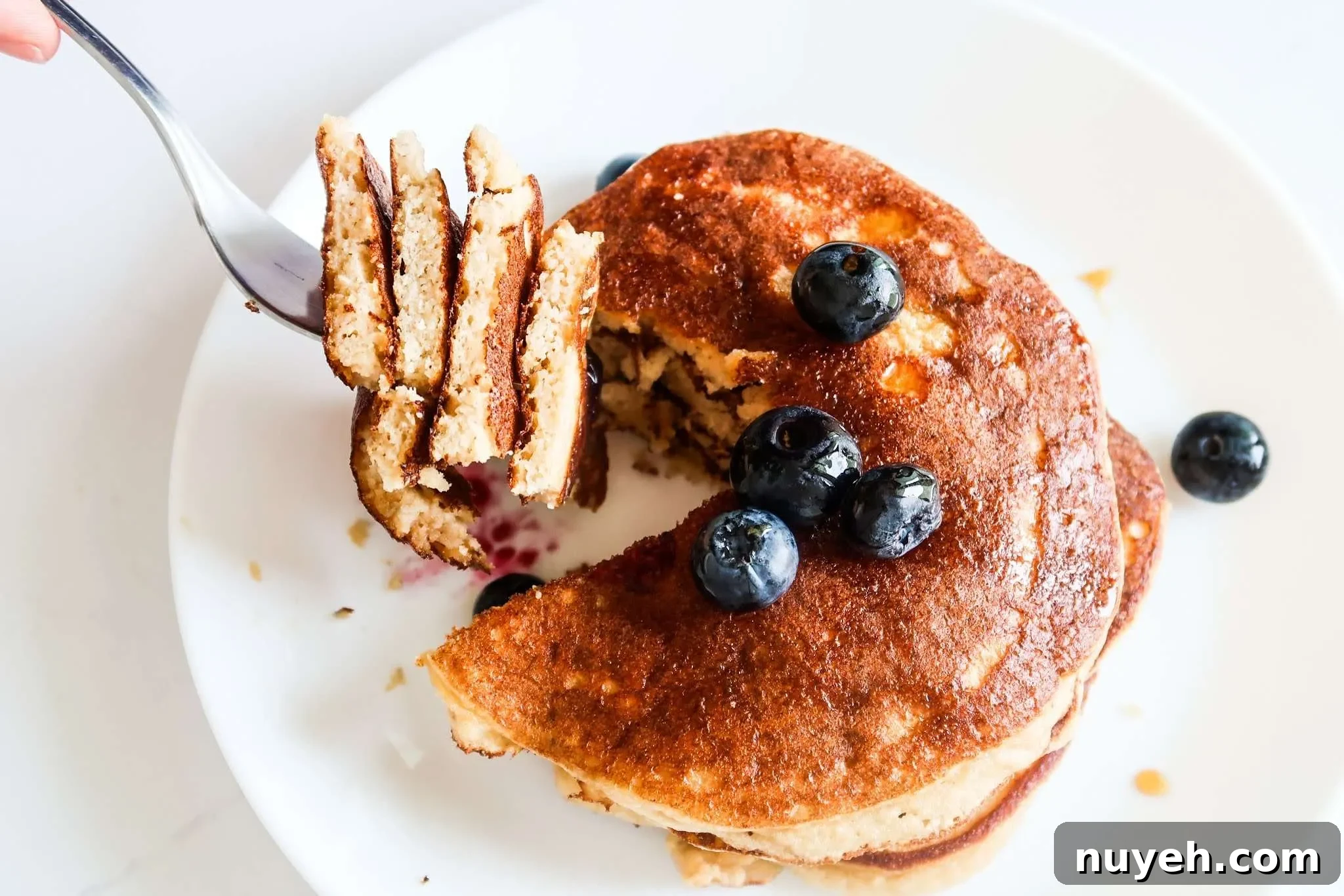
Almond Flour Pancakes
Fluffy, low-carb pancakes made with almond and coconut flours, a pinch of baking soda and a little natural sweetener if desired. They’re filling and slow-burning compared with traditional pancakes.
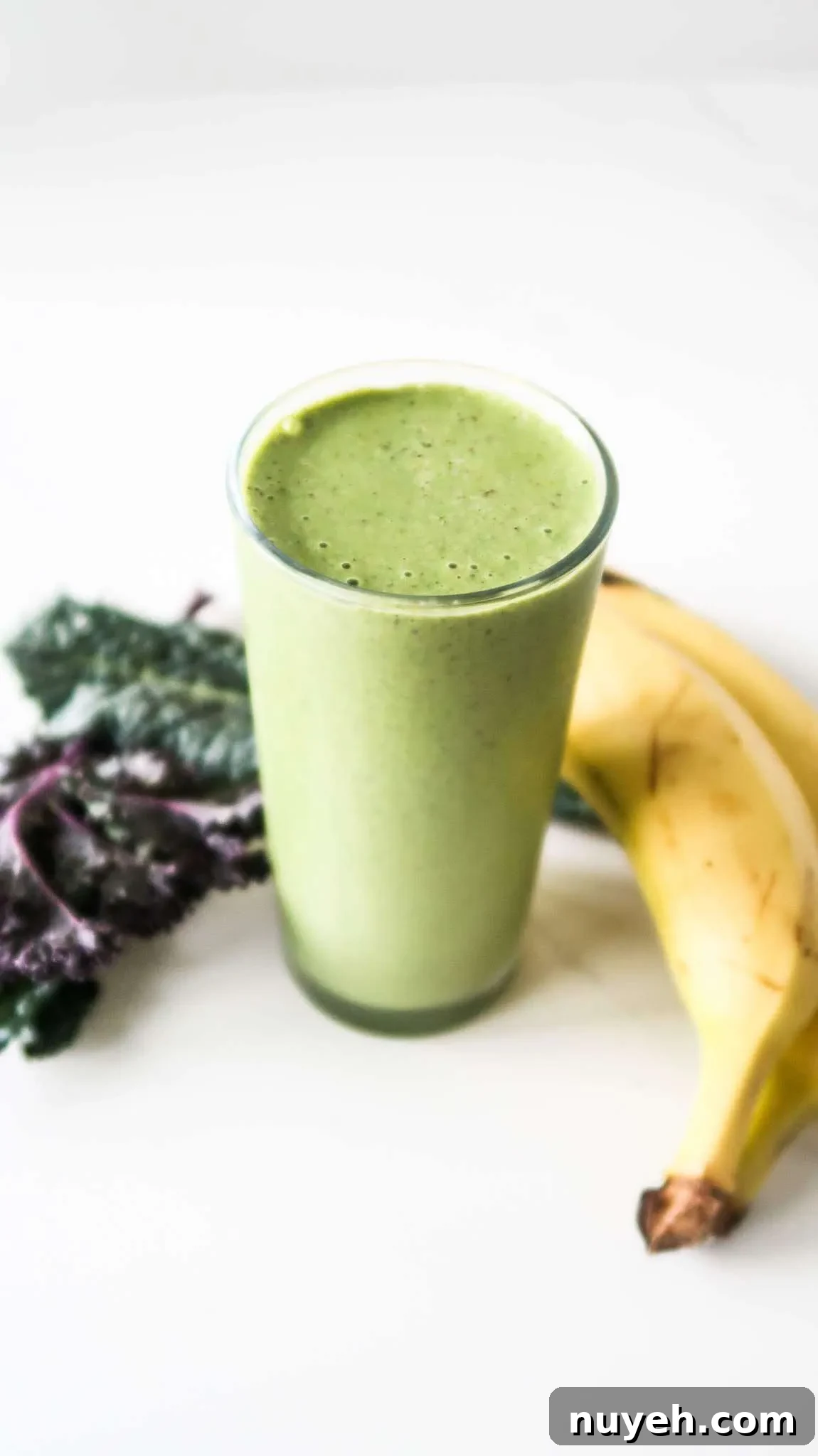
Simple Green Smoothie
Spinach, a small banana and almond butter make a balanced smoothie. Keep portions moderate to preserve a low glycemic load.
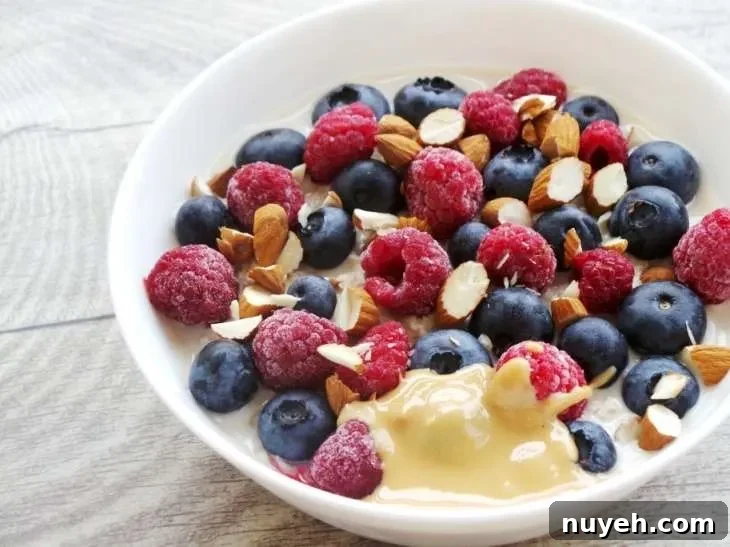
Super Easy Overnight Oats
Overnight oats prepared with rolled oats, chia and nut butter provide fiber and protein. Make them the night before for a convenient low-GI breakfast. Top with berries and a small spoonful of nut butter for extra satiety.
Low GI Lunch Ideas
These lunches are high in fiber, healthy fats and protein — key elements for steady blood sugar.
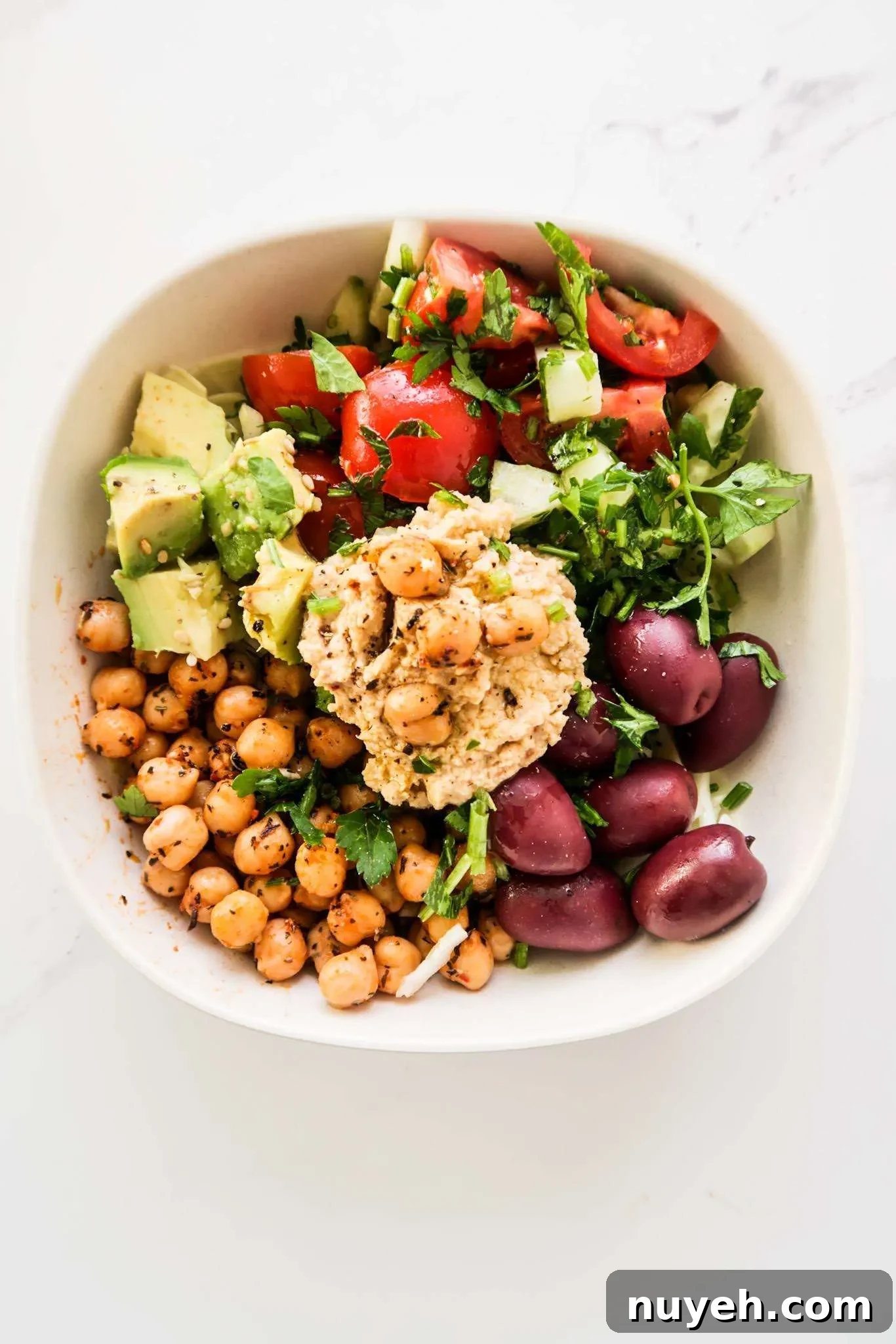
Spicy Mediterranean Lunch Bowls
Mix chickpeas, hummus, fresh vegetables, herbs and a bit of spice for a satisfying bowl. Prepare components ahead for easy meal prep.
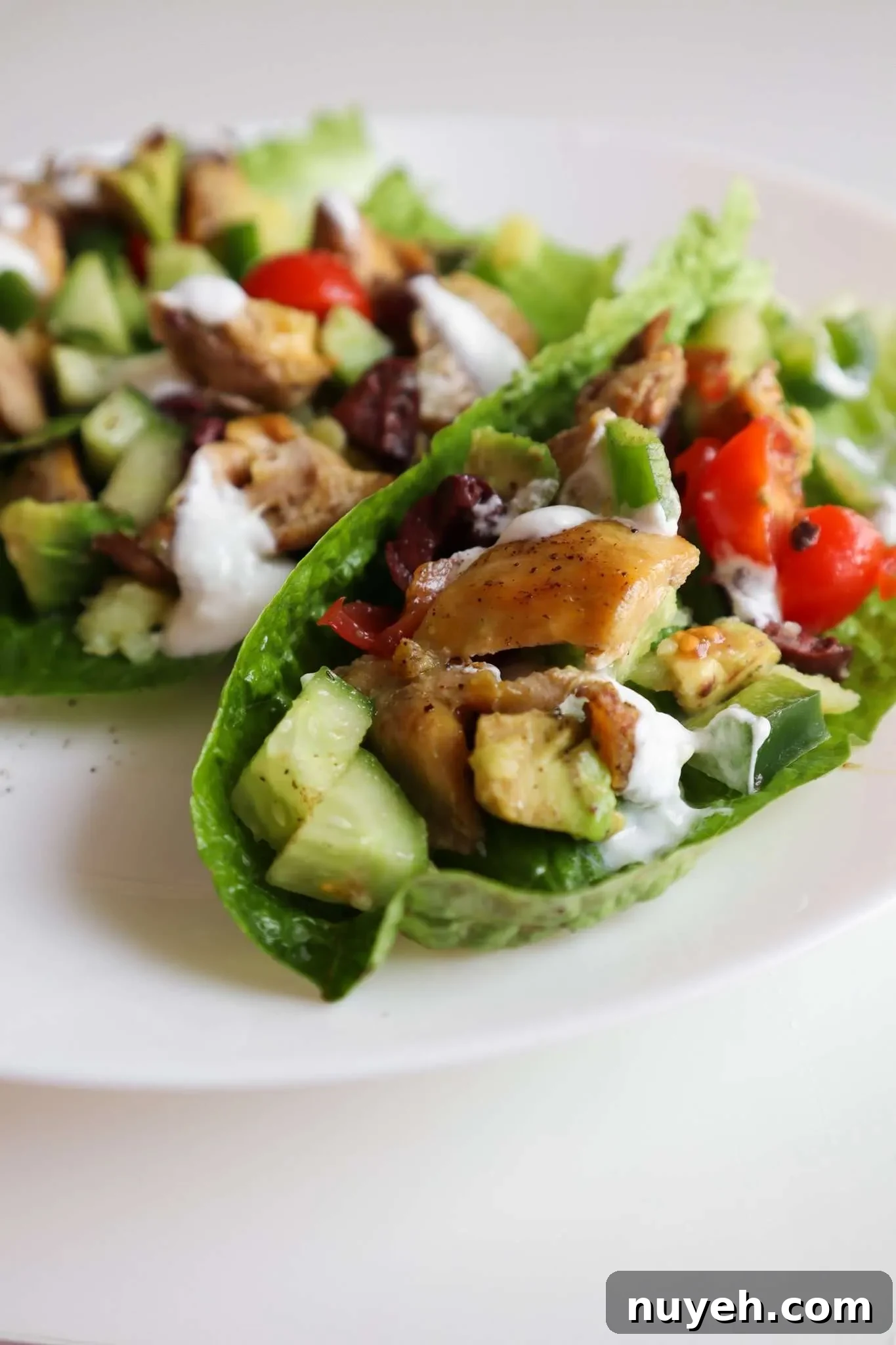
Mediterranean Chicken Lettuce Wraps
High-protein wraps that use lettuce leaves as the base. Add lots of herbs, cucumbers, tomatoes and a drizzle of olive oil for flavor without a large glycemic impact.
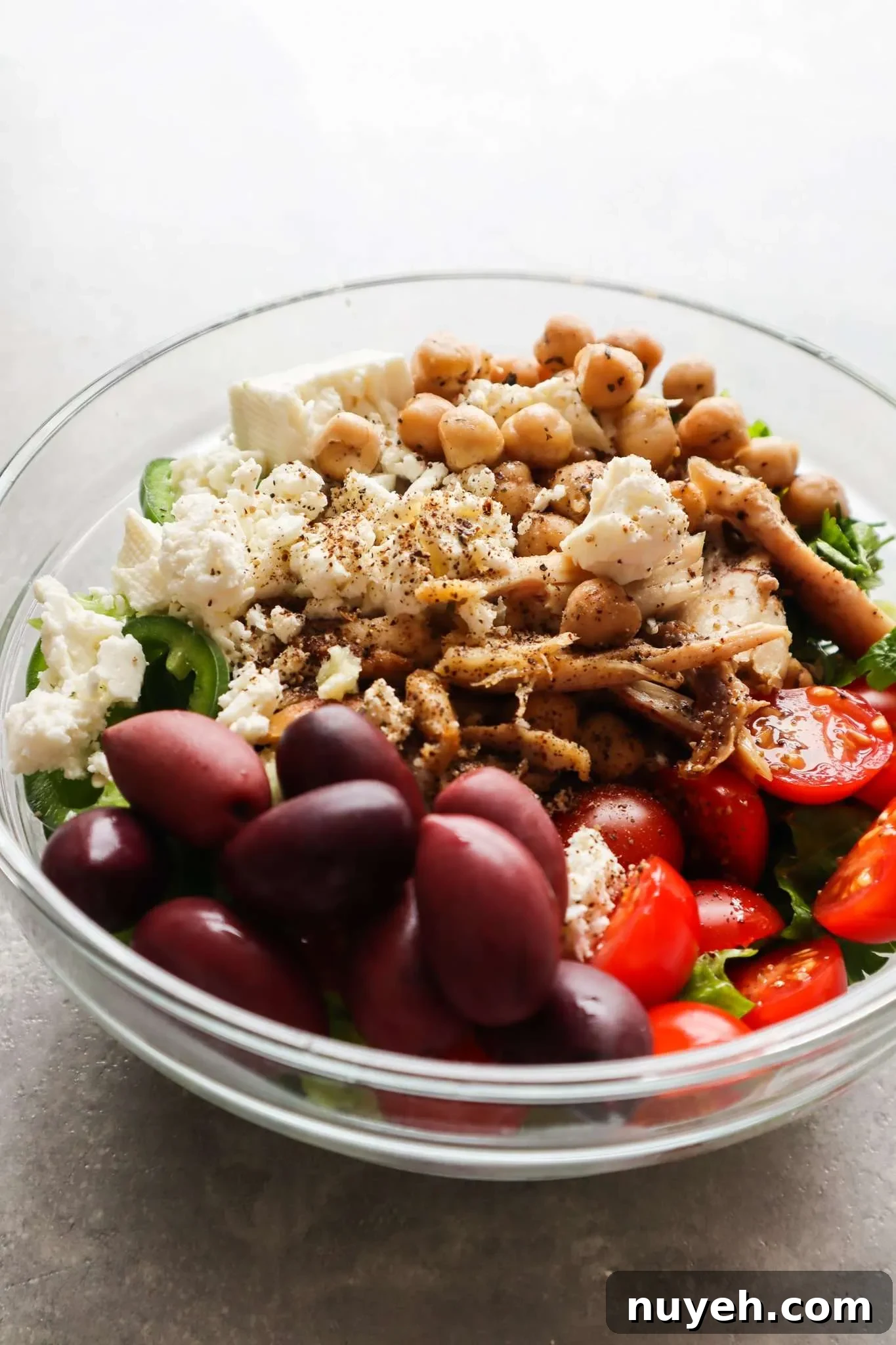
Chickpea, Feta and Chicken Salad
This filling salad combines chickpeas, cooked chicken and fresh vegetables. Omit the feta to make it dairy-free while keeping flavor and texture.
Fast & Easy Low GI Dinner Recipes
Weeknight dinners that are quick to prepare and low glycemic.
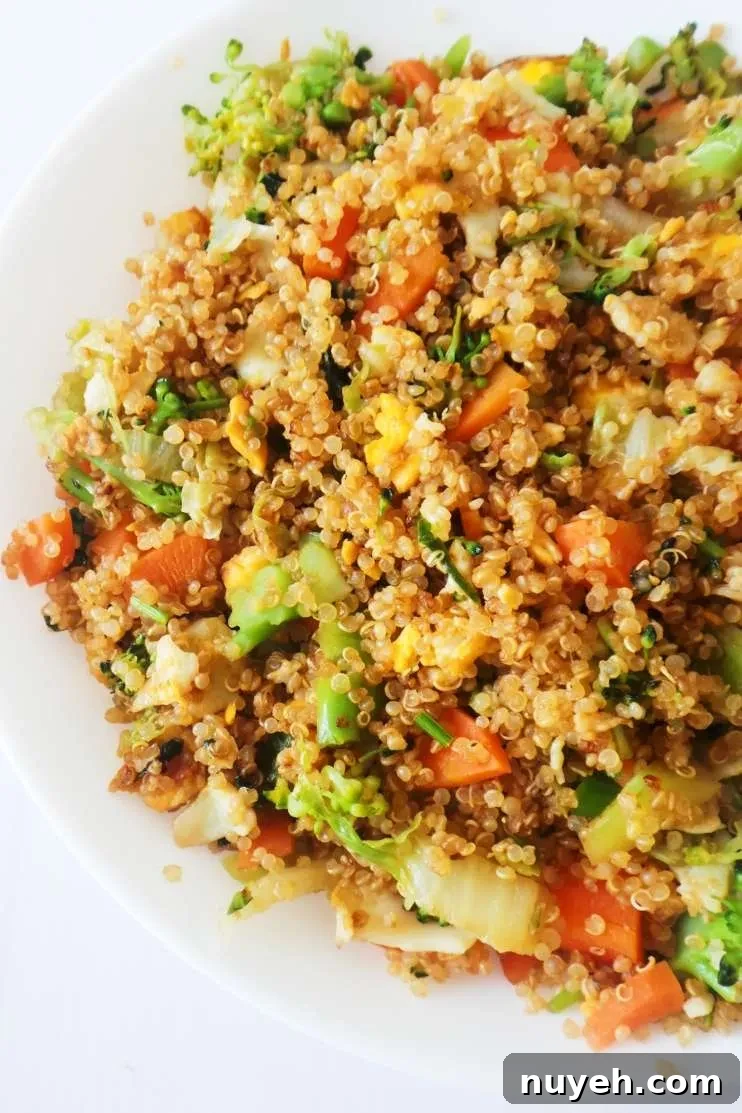
Quinoa Fried Rice
A higher-fiber version of fried rice using cooked quinoa instead of white rice. Add lots of vegetables and a protein such as tofu, shrimp or chicken.
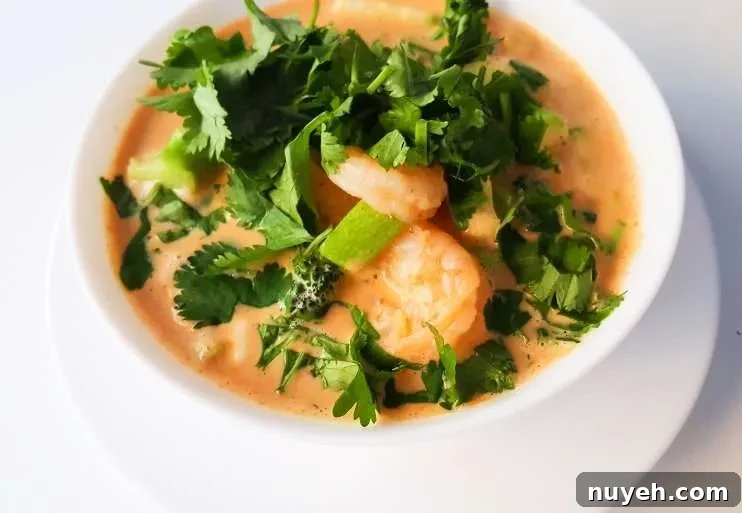
Shrimp Coconut Curry Soup
A light, aromatic soup with coconut milk, curry spices and shrimp. It’s flavorful and naturally low in carbohydrates when served without starchy sides.
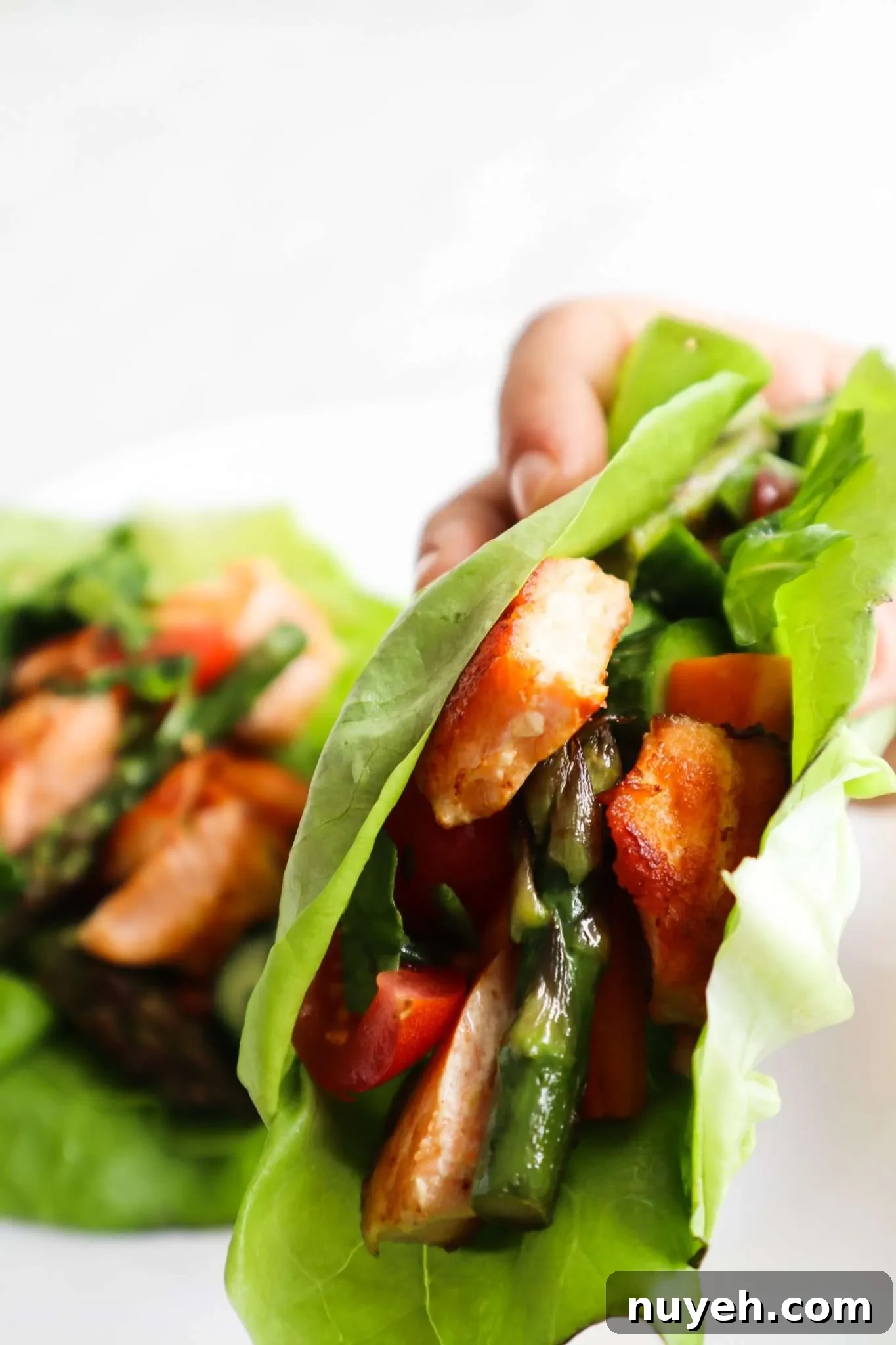
Salmon Lettuce Wraps
One of my favorite low-GI dinners. Pan-seared salmon with fresh vegetables wrapped in lettuce leaves makes a light, satisfying meal.
Best and Worst Foods on a Low GI Diet
Use this guidance to plan meals that support steady blood sugar and reduced inflammation.
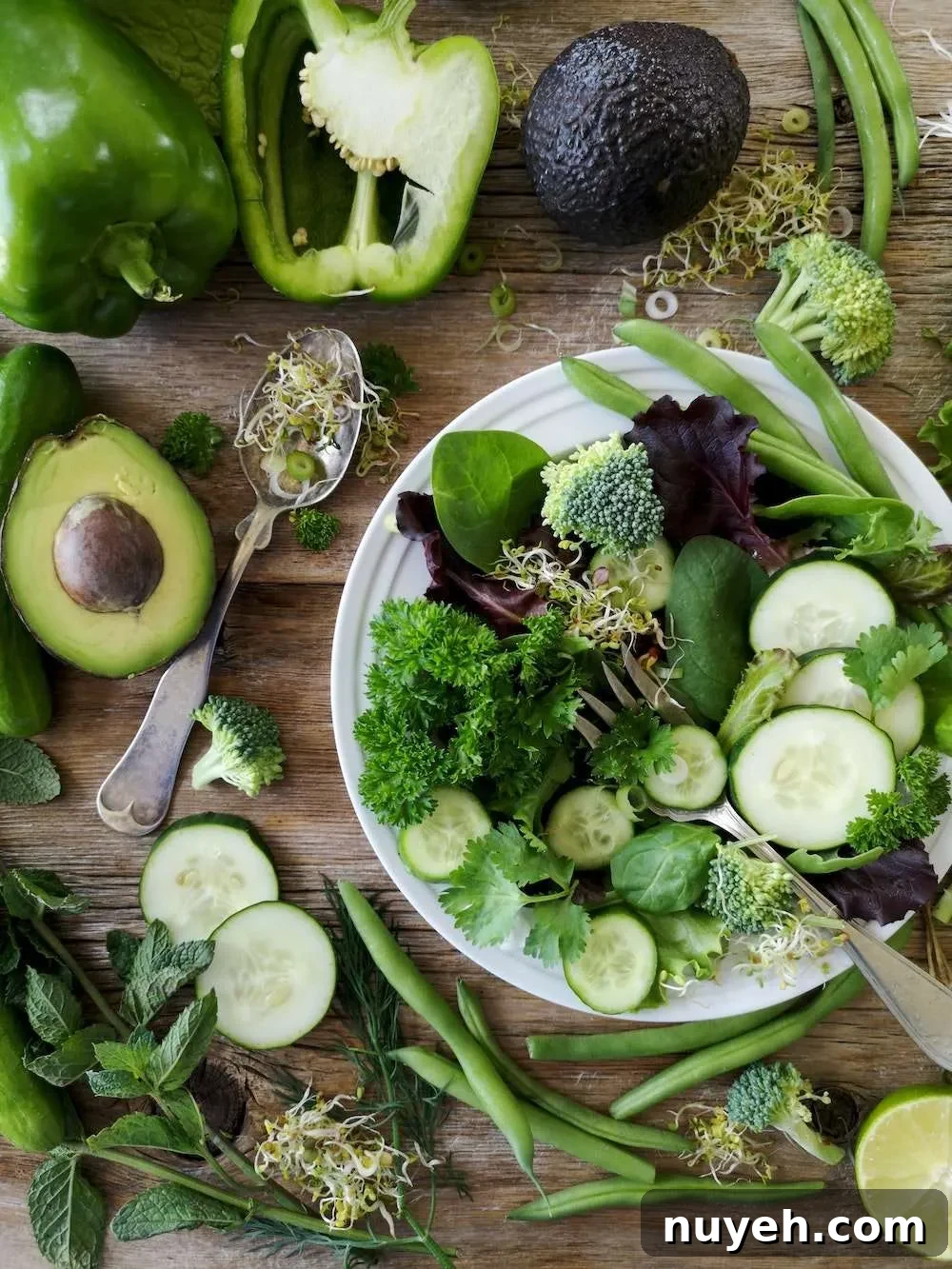
Best Foods
Choose nutrient-dense, low-GI foods such as:
- Leafy greens and cruciferous vegetables (spinach, arugula, broccoli, cauliflower)
- Other vegetables (peppers, tomatoes, zucchini, cucumbers, radish, avocado)
- Herbs and spices (parsley, basil, cilantro, turmeric, ginger, black pepper)
- Nuts and seeds (almonds, walnuts, chia, flaxseed)
- Lower-GI fruits (berries, apples, pears, peaches, lemons)
- Whole grains in moderation (barley)
- Legumes (chickpeas, lentils, kidney and black beans)
Include lean proteins like fish, chicken, eggs, tofu and moderate dairy to help you stay full and avoid overeating when reducing carbohydrate portions.

Foods to Eat in Moderation
- Starchy vegetables (sweet potatoes, pumpkin)
- Sweet tropical fruits (bananas, mango, pineapple, grapes, melons)
- Whole grains such as quinoa and oats (watch portion size)
- Natural sweeteners (honey, maple syrup) — small amounts only
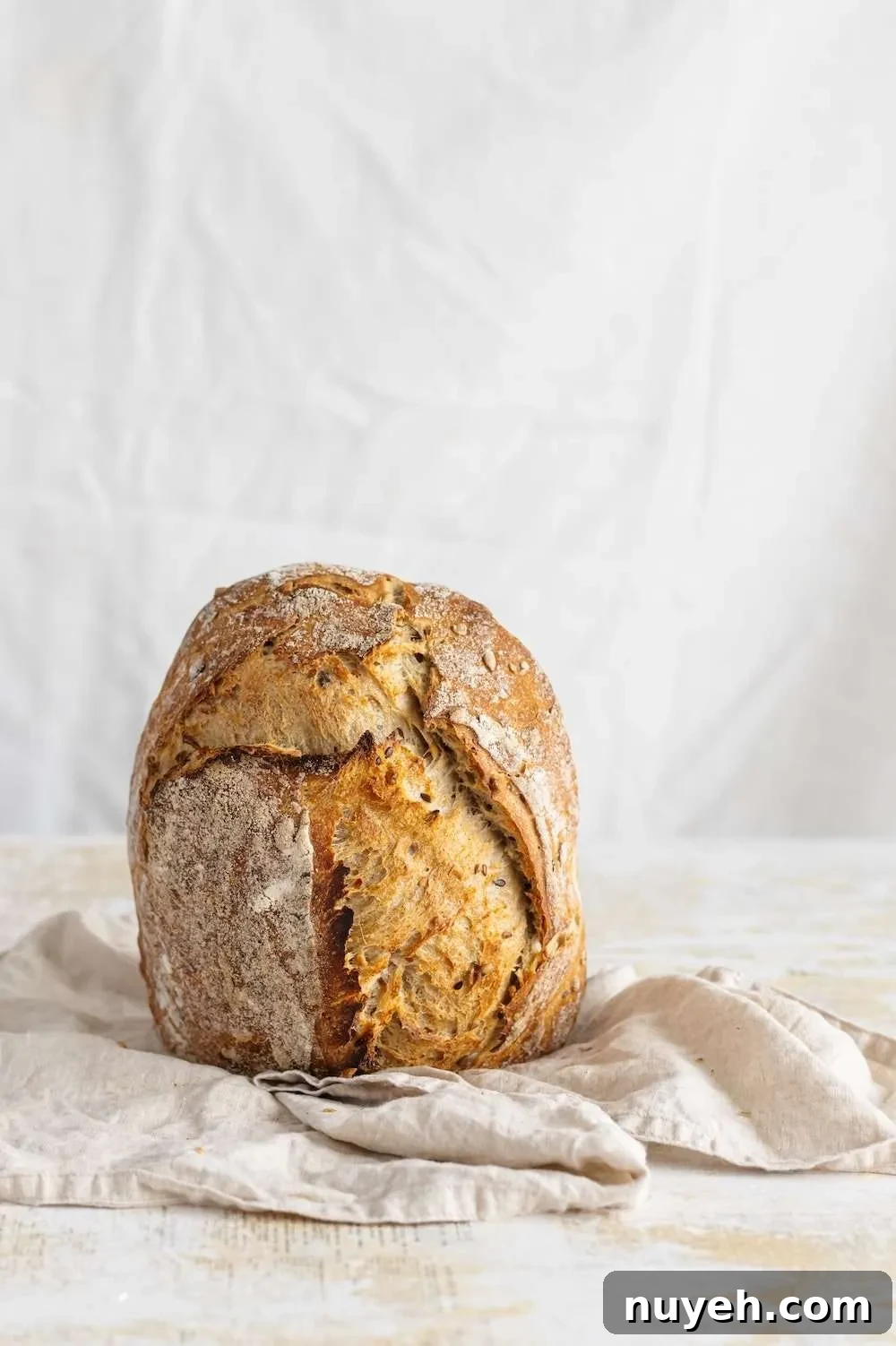
Foods to Avoid
- Refined, low-fiber foods (white rice, white flour, sugar)
- Fruit juices and sweetened beverages
- Most white potatoes and highly processed snacks
- Refined cereals, baked sweets and many fried or baked carbohydrate-heavy foods
Tuna Chickpea Bowl (Recipe Card)
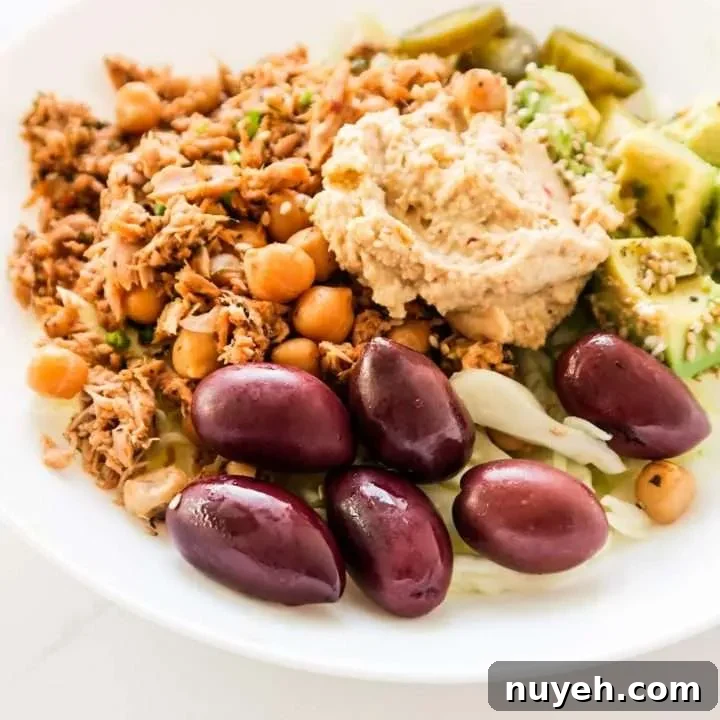
Simple, protein-rich bowls that are easy to prepare and great for meal prep. These combine tuna, chickpeas, crunchy cabbage and fresh herbs with a bright lemon-olive oil dressing.
Ingredients
- 1 can tuna, drained
- 1 cup canned chickpeas, rinsed and drained
- 2 Tbsp chopped parsley
- 1 tsp tomato paste
- 2 Tbsp olive oil
- 2 Tbsp lemon juice
- 2 garlic cloves, minced
- 1 tsp dried basil
- 1 tsp crushed red pepper
- 3–4 Tbsp canned jalapeño (optional)
- 1½ cups cabbage, chopped
- 1 avocado, chopped
- 1 cup whole olives
- 1 tbsp toasted sesame seeds
- 1 tbsp hummus (optional)
Instructions
- Heat a non-stick pan over medium heat and add 1 tbsp olive oil. Add the tuna, chickpeas, basil, tomato paste, 1 tbsp lemon juice, 1 minced garlic clove and crushed red pepper. Stir for 4–5 minutes so the chickpeas and tuna absorb the flavors.
- In a large bowl, toss the chopped cabbage with the remaining garlic clove, 1 tbsp lemon juice, a pinch of salt and 1 tbsp olive oil.
- Assemble bowls: start with ½ cup cabbage, add about 4 tbsp of the tuna-and-chickpea mix, then ¼ cup olives, ½ avocado, jalapeño if using and 2 tbsp hummus. Sprinkle with toasted sesame seeds and serve.
Nutrition (per serving, approx.)
- Yield: 3 servings
- Calories: 438
- Protein: 21 g
- Carbohydrates: 29 g
- Fiber: 13 g
- Total fat: 29 g (unsaturated fats predominant)
Published in October 2021 and updated in February 2023.